




Embrace Traditional Indian Staples
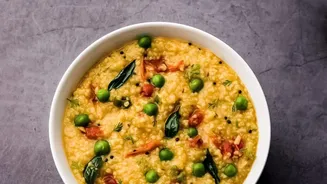
Some of the most affordable and nutritious breakfast options are already staples in Indian kitchens. Dishes like poha, upma, and idli are not only cost-effective but also provide a balanced start to the day. Poha (flattened rice), when cooked with vegetables,
peanuts, and a squeeze of lemon, becomes a well-rounded meal rich in iron and carbohydrates for energy. Similarly, upma, made from semolina (suji/rava), can be loaded with vegetables to increase its fibre content. Idlis, made from fermented rice and dal batter, are light, easy to digest, and offer protein and probiotics for gut health. These dishes rely on inexpensive pantry staples, making them perfect for budget-conscious families.
The Power of Lentils and Pulses
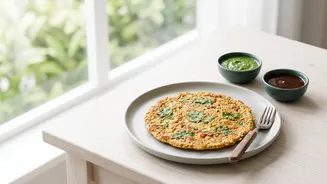
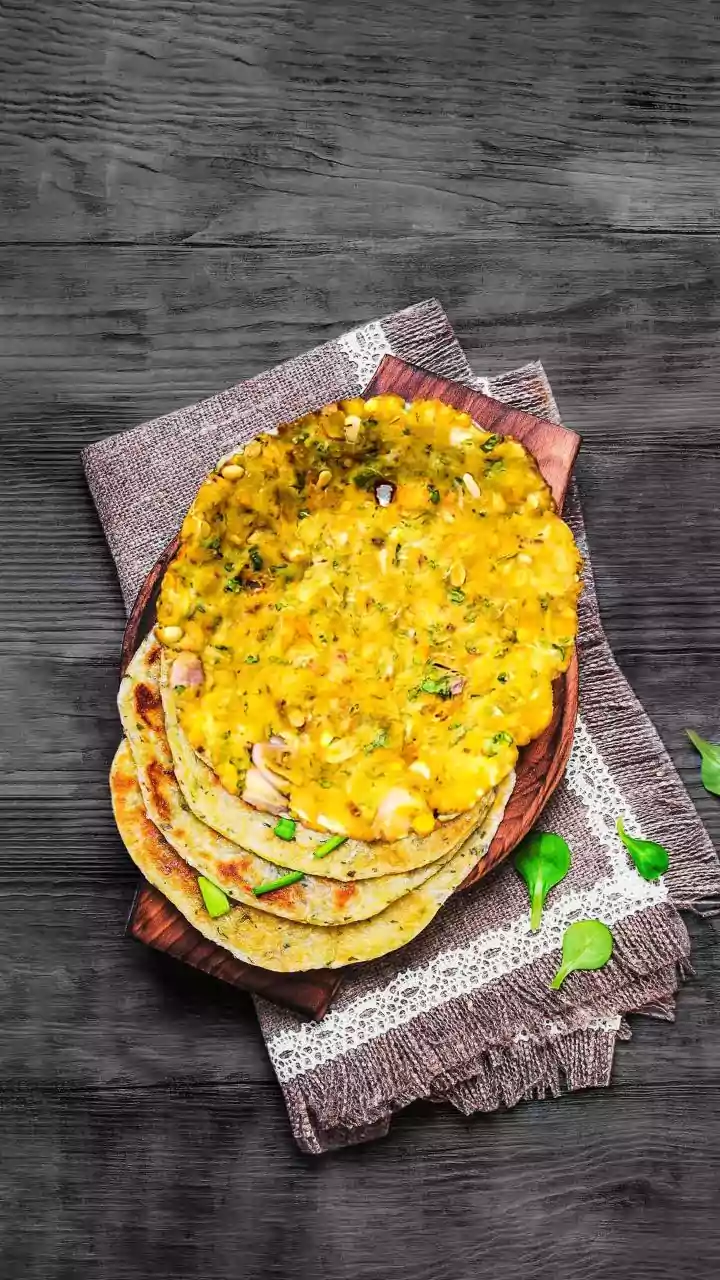
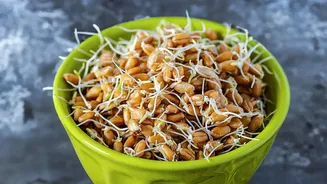
Lentils (dals) are a powerhouse of plant-based protein and are incredibly versatile and affordable. A moong dal or besan (gram flour) chilla is a fantastic high-protein alternative to regular pancakes. The batter is simple to prepare by mixing the flour with water, spices, and finely chopped vegetables like onions and tomatoes. Two chillas can provide a significant amount of protein, helping to keep you full until lunchtime. You can even stuff them with paneer for an extra protein boost. Using dals in your breakfast is a smart way to ensure your family gets essential nutrients without relying on more expensive ingredients.
Eggs: The Versatile Protein Source
Eggs remain one of the most cost-effective sources of high-quality protein. From a simple boiled egg to a masala omelette or egg bhurji (scrambled eggs), they can be prepared in minutes. A breakfast centred around eggs helps control mid-morning hunger pangs and reduces the likelihood of overeating later in the day. For a more complete meal, pair egg bhurji with whole wheat rotis or a slice of multigrain toast. Buying eggs in larger trays is often more economical than smaller packs, further reducing the cost per meal.
Plan and Prep for Success
One of the biggest keys to saving money and time is planning. Preparing certain elements in advance can make weekday mornings much smoother. Batter for idli, dosa, or chillas can be made over the weekend and stored in the fridge. You can also pre-chop vegetables and store them in airtight containers. Another great strategy is meal prepping with items like oats. Overnight oats, where oats are soaked in milk or curd with fruits and nuts, require zero cooking time in the morning. These small steps reduce the temptation to buy expensive, processed breakfast foods on busy days.
Smart Grocery Shopping Habits
Your savings start at the store. Always make a list before you go shopping to avoid impulse buys. Focus on buying seasonal fruits and vegetables, as they are generally cheaper and fresher. Buying staples like rice, dal, and flour in bulk can also lead to significant savings, but only if you have proper storage and will use them before they expire. Compare prices between your local kirana store and larger supermarkets; sometimes smaller vendors offer better rates on everyday items. These habits, combined with smart meal choices, can make a noticeable difference in your monthly grocery expenses.
Don't Forget the Leftovers
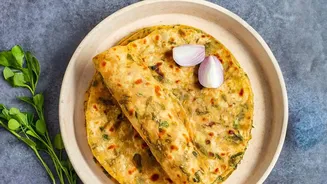
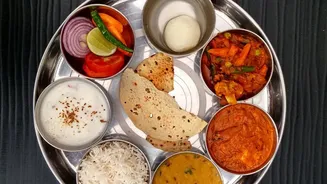
Rethinking leftovers can be both a time-saver and a money-saver. Leftover sabzi from dinner can be rolled into a fresh whole wheat roti for a quick and filling breakfast. This not only prevents food waste but also provides a nutritious, ready-made meal. A simple roti with last night's vegetable stir-fry and a side of curd is a balanced and satisfying way to start the day, requiring minimal effort and zero extra cost.