






Know Your Enemy: Common Pantry Pests
The first step in pest prevention is knowing what you’re up against. In India, several common culprits are notorious for invading pantries. These include Indian meal moths, which leave behind silky webs, and tiny beetles like rice weevils and flour beetles.
Rice weevils are small, dark beetles with a distinct snout that live and reproduce within whole grains like rice and wheat. Flour beetles are reddish-brown and, as their name suggests, are often found in flour, but also infest cereals and dried fruit. Adult Indian meal moths are the most visible sign, but it's their larvae that cause the real damage by feeding on everything from grains and nuts to spices and pet food.
The Unwanted Invitation: What Attracts Pests
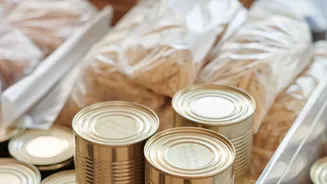
Pantry pests don't appear out of nowhere. They are attracted by the promise of food, shelter, and moisture. Spilled crumbs, forgotten open packets, and even small amounts of flour dust on a shelf are a feast for these insects. High humidity, especially during the monsoon season, creates a favourable environment for pests to thrive. Often, an infestation begins at the grocery store. Pests can hitch a ride into your home in packaged goods that have tiny, almost invisible, tears or even inside sealed cardboard and paper bags. Once inside, they can multiply quickly if they find accessible food sources.
Fortress Pantry: The Power of Airtight Storage
The single most effective way to prevent pantry pests is to upgrade your storage. Cardboard boxes and thin plastic bags are no match for determined insects. Transfer all dry goods—including flours, rice, pulses, spices, nuts, and cereals—into airtight containers. Glass jars with rubber gaskets and clamp lids are an excellent choice as they are non-porous and easy to clean. High-quality, BPA-free plastic containers with locking lids and silicone seals also create an effective barrier that keeps pests out and freshness in. This not only protects your food but also contains any potential infestation to a single jar, preventing it from spreading.
A Clean Sweep: Your Regular Cleaning Checklist
A clean pantry is a pest-free pantry. Regular cleaning removes the food particles that attract insects. At least every few months, completely empty your pantry shelves. Throw away any expired or infested items immediately, sealing them in a bag and taking the trash outside. Vacuum the shelves thoroughly, paying special attention to corners, cracks, and crevices where crumbs and eggs can hide. After vacuuming, wipe the shelves down with a solution of equal parts white vinegar and water. This not only cleans the surface but also helps erase the scent trails that some pests, like ants, follow. Always let the shelves dry completely before restocking your airtight containers.
Natural Deterrents: Keeping Pests at Bay
Several natural ingredients found in most Indian kitchens can act as powerful pest repellents. Dried bay leaves (tej patta) are highly effective against cockroaches and moths; simply place a few leaves in your flour containers and on pantry shelves. Cloves have a strong scent that repels ants and can be placed in your sugar container to keep it pest-free. Dried neem leaves are another traditional remedy known for their antifungal and antibacterial properties, perfect for adding to rice containers. You can also use cinnamon sticks or sprinkle ground cinnamon at entry points to deter ants. These natural methods are safe to use around food and add an extra layer of protection.