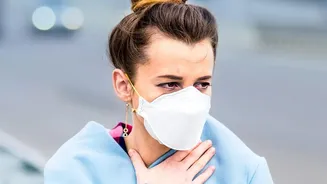



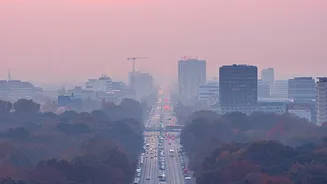
As smog descends on Delhi, a familiar scratchy, sore throat follows. But is it just irritation from the foul air, or the start of a real sickness? Knowing the difference between soothing a symptom and treating an illness is crucial.
Why Your Throat Aches During Smog Season
That familiar 'smog
throat' is your body's direct reaction to the air you're breathing. The air in Delhi during high-pollution periods is filled with tiny, harmful particles like PM2.5 and PM10, along with toxic gases such as nitrogen dioxide and sulphur dioxide. When you inhale, these pollutants act like tiny shards of glass, physically irritating the delicate lining of your throat. This contact triggers an inflammatory response, causing dryness, scratchiness, a persistent cough, and pain when you swallow. It's an inflammation without an infection, your body's way of signalling that it's under attack from environmental irritants.
The Soothing Toolkit: Temporary Relief for Irritation
When your throat is simply irritated by pollution, the goal is to provide comfort and reduce inflammation. These methods soothe the symptoms but do not cure an underlying disease. A warm salt-water gargle is a classic for a reason; it helps reduce local swelling and can wash away some trapped particles. Staying hydrated with warm liquids like water, clear soups, or traditional desi concoctions like ginger-honey tea or tulsi kadha keeps the throat moist and can provide temporary relief. Honey, in particular, is known to coat and soothe the throat's mucosal lining. Steam inhalation, with or without a few drops of eucalyptus oil, can also help by moisturizing dry airways.
The Critical Difference: Soothing vs. Treating
This is the most important distinction a Delhiite can make for their health. Soothing involves managing the symptoms of irritation. Gargling, sipping tea, and using lozenges are all soothing actions. They make you feel better temporarily by reducing discomfort. Treating, on the other hand, is for an illness caused by a pathogen, like a virus or bacteria. A viral infection, like the common cold, must run its course, while a bacterial infection, like strep throat, requires antibiotics prescribed by a doctor to eliminate the bacteria. Using antibiotics for a pollution-induced sore throat or a viral infection is not only ineffective but contributes to the dangerous problem of antibiotic resistance.
Red Flags: When It's More Than Just Smog
A sore throat from pollution usually feels like scratchiness and irritation, and might be accompanied by itchy eyes or a runny nose. An infection, however, brings a different set of clues. You should suspect an illness if your sore throat is accompanied by a fever, body aches, significant fatigue, or swollen glands in your neck. If you look in your throat and see white patches or pus on your tonsils, it's a strong indicator of a bacterial infection like strep throat. Another key differentiator is the absence of a cough; strep throat often presents with severe throat pain but no cough. If your symptoms improve when you are indoors in a room with an air purifier, it is more likely to be pollution-related.
When to See a Doctor
While most pollution-related throat irritation is temporary, you should not ignore persistent or severe symptoms. See a doctor if your sore throat lasts for more than five to seven days without improvement. Seek medical attention promptly if you experience severe pain, difficulty swallowing or breathing, a high fever, or if a sore throat moves into your chest causing wheezing. For children, the elderly, or those with pre-existing respiratory conditions like asthma, it's wise to consult a doctor sooner. A doctor can properly diagnose the cause—whether it's viral, bacterial, or environmental—and ensure you get the correct treatment, not just temporary relief.
Proactive Protection Is Key
The best way to deal with a smog-related sore throat is to prevent it. Monitor the Air Quality Index (AQI) and limit your time outdoors on 'severe' days, especially avoiding morning walks when pollution can be at its worst due to temperature inversion. When you must go out, wear a well-fitted N95 or N99 mask to filter out harmful PM2.5 particles. At home, using a HEPA filter air purifier, especially in the bedroom, can create a clean air sanctuary for your body to recover overnight. Wiping down surfaces with a damp cloth instead of dry sweeping can also prevent settled dust from becoming airborne again.