


From Ice Sheets to Unstable Lakes
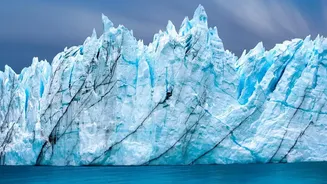
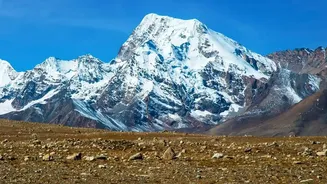
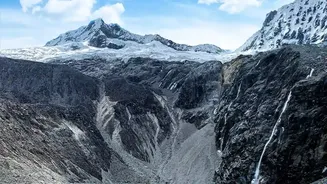
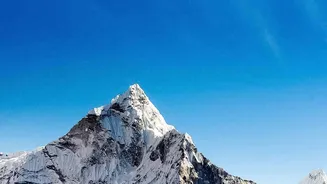
For centuries, Nepal's glaciers have been vast, slow-moving rivers of ice. As climate change accelerates warming in the Himalayas at a rate faster than the global average, these glaciers are retreating and thinning rapidly. The meltwater doesn't just
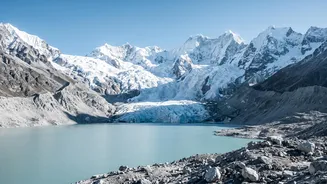
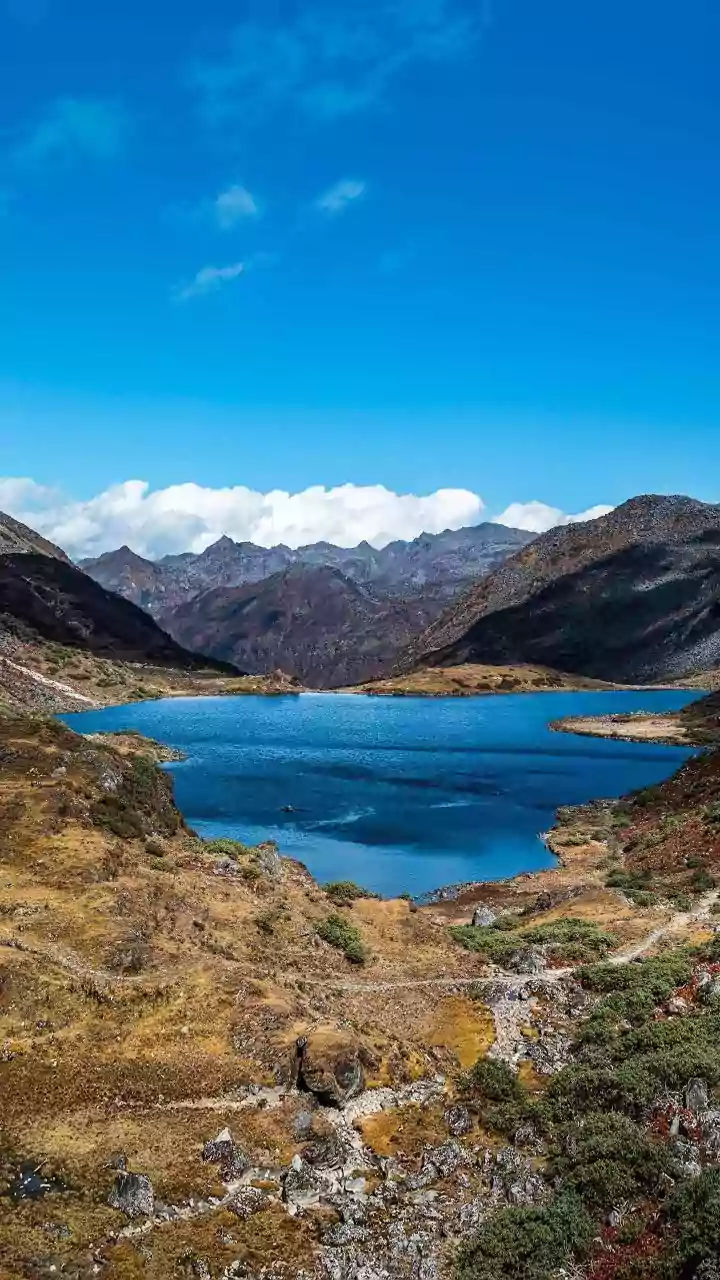
flow away; it often pools at the snout of the glacier, forming new lakes or causing existing ones to expand at an alarming pace. These bodies of water are frequently held back only by moraines—loose dams made of rock, soil, and debris left behind by the receding glacier. Between 1977 and 2017 alone, the number of glacial lakes in the Nepal Himalaya more than doubled, growing from around 600 to over 1,500. This rapid proliferation of unstable, high-altitude lakes is the foundation of Nepal's increased flood vulnerability.
The Anatomy of a GLOF
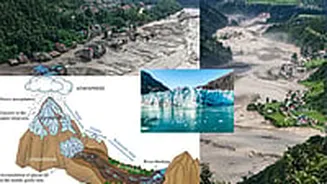
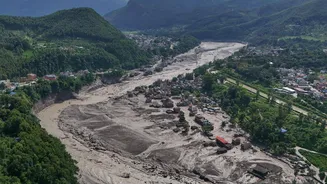
The primary danger from these new lakes is a phenomenon known as a Glacial Lake Outburst Flood, or GLOF. A GLOF is the sudden, violent failure of a moraine dam. This can be triggered by several factors. An ice or rock avalanche can crash into the lake, creating a massive displacement wave that overtops and erodes the dam. The pressure from a continuously growing lake can also cause the unstable moraine wall to collapse. When the dam gives way, it releases an immense volume of water, mud, and boulders that surges down the narrow mountain valleys at incredible speed. This wall of debris can destroy everything in its path, including villages, bridges, roads, and vital hydropower plants, which are crucial to Nepal's economy. These events often strike with little to no warning, giving downstream communities mere minutes to escape.
Nepal's High-Risk Hotspots
Across Nepal, authorities have identified dozens of potentially dangerous glacial lakes. A recent inventory classified 47 lakes as posing a significant risk, 21 of which are within Nepal's borders, with others located upstream in Tibet, China, posing a trans-boundary threat. Lakes like Tsho Rolpa and Imja Tsho have been notorious for decades. Tsho Rolpa, despite mitigation efforts in the early 2000s to lower its water level, continues to expand and remains a threat. At Imja Tsho, a project in 2016 successfully lowered its water level by 3.4 metres, reducing the immediate risk. However, new threats are constantly emerging. Four other lakes—Thulagi, Lower Barun, Lumding Tsho, and Hongu 2—are now considered high-priority for risk reduction work, as a breach could cause devastating economic and human losses.
Living in the Shadow of the Flood
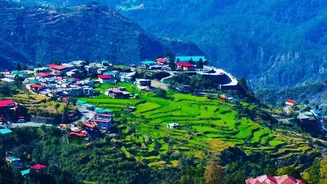
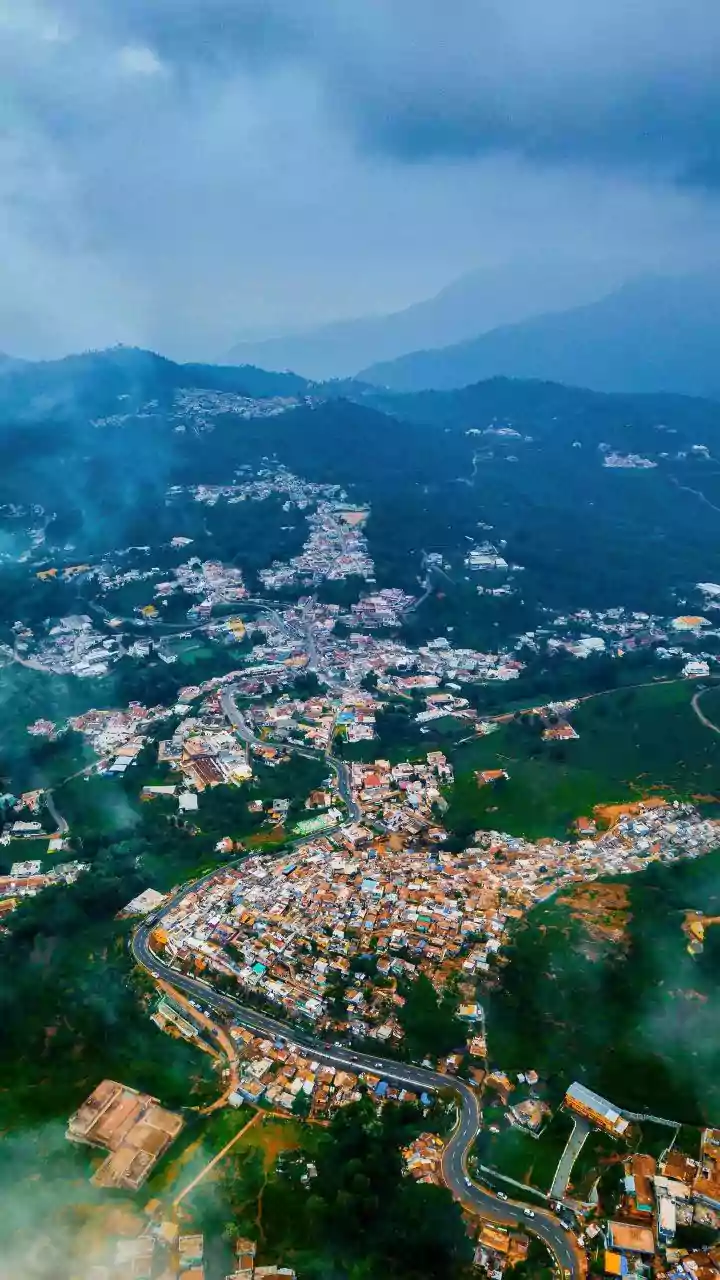
For the communities living downstream from these glacial lakes, the threat is a constant source of anxiety. The fertile river valleys that have supported agriculture and settlement for generations are now in the direct path of potential destruction. A single GLOF event can wipe out entire villages, displace thousands of people, and destroy critical infrastructure that takes years to rebuild. The economic impact is staggering, with losses from one major event capable of exceeding US$100 million. This vulnerability disproportionately affects marginalized communities who have limited resources to adapt or relocate. Furthermore, the floods not only threaten lives and property but also disrupt livelihoods dependent on agriculture and tourism, two pillars of Nepal's rural economy.
A Race Against a Melting Clock
Addressing the GLOF threat is a monumental challenge for Nepal. The government, with support from international partners like the United Nations Development Programme and the Green Climate Fund, is shifting from a reactive to a proactive approach. Projects are underway to lower water levels in the most dangerous lakes, install and upgrade early-warning systems with automated sirens, and reinforce riverbanks downstream. However, these efforts are costly and technically complex, often taking place in remote, high-altitude environments. The challenge is compounded by cross-border risks, where a lake bursting in Tibet can cause a disaster in Nepal, highlighting the urgent need for international data-sharing and cooperation. Ultimately, while these engineering solutions can mitigate some risk, they do not address the root cause: a warming climate that continues to melt the Himalayan glaciers at an accelerating pace.