
The Sweet in Question: Meet Kiku
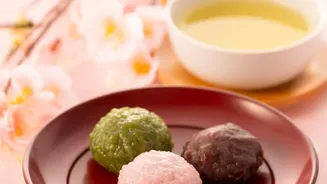
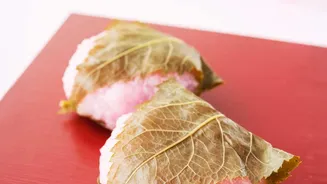
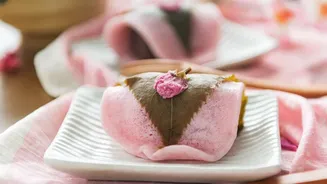
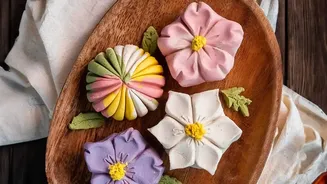
The Japanese sweet causing the stir is a type of 'wagashi', a category of traditional Japanese confections known for their artistry and deep connection to the seasons. Specifically, it is often a 'nerikiri' wagashi shaped like a chrysanthemum flower,
or 'kiku' in Japanese. Nerikiri are made from a base of sweetened white bean paste (shiro-an) and a glutinous rice flour dough called gyuhi. This mixture creates a pliable, clay-like consistency that allows artisans to craft it into intricate, beautiful shapes that reflect nature, such as flowers and birds. These sweets are not just desserts; they are considered edible art, often served during traditional tea ceremonies to complement the bitter taste of matcha green tea. The specific chrysanthemum shape is highly significant, as the flower is one of Japan's national symbols and represents the imperial family, longevity, and rejuvenation.
A Nod to the Beloved Modak
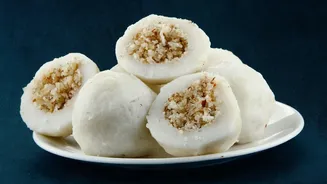
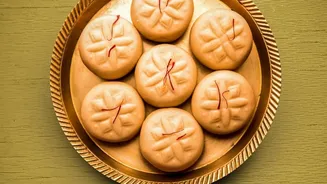
For any Indian, the pleated, conical shape of the kiku wagashi immediately brings to mind the modak. A staple during the Ganesh Chaturthi festival, the modak is considered the favourite sweet of Lord Ganesha. The most traditional version, called 'Ukadiche Modak' in Maharashtra, features an outer shell made of steamed rice flour. This soft, delicate casing holds a sweet, aromatic filling of freshly grated coconut and jaggery, often spiced with cardamom. The name 'modak' itself is derived from a word meaning happiness or bliss, and offering these sweets is a central part of the puja. Typically, 21 modaks are offered to the deity, symbolising spiritual knowledge and the rewards of devotion. Legends narrate that Ganesha's wisdom won him a divine modak that bestowed immense knowledge upon its consumer, forever linking the sweet to intellect and piety.
Similar Shapes, Different Souls
While their pleated shapes are strikingly similar, the experience of eating a kiku wagashi and a modak is quite different. The Japanese kiku is built around the subtle, earthy sweetness of bean paste. The outer nerikiri dough is soft and smooth, with a delicate, slightly chewy texture. The filling is most commonly 'anko', a sweet paste made from azuki red beans. In contrast, the Indian modak offers a burst of flavour from its coconut and jaggery filling, a combination that is simultaneously sweet, moist, and slightly rustic. The steamed rice flour shell is tender and mild, designed to perfectly complement the rich filling inside. Another key difference is how they are served. Modaks are often enjoyed warm, sometimes drizzled with ghee, which enhances their comforting aroma. Wagashi, on the other hand, are typically served at room temperature or even chilled, presented as a delicate piece of artistry to be admired before being eaten.
A Tale of Two Symbols
The resemblance appears to be a beautiful case of culinary coincidence, where two distinct cultures arrived at a similar design for entirely different symbolic reasons. In Japan, the intricate pleats of the kiku wagashi are a direct representation of the chrysanthemum flower, a revered symbol of autumn, longevity, and the imperial throne. The artisan's goal is to capture the essence of this celebrated flower. In India, the modak's form is rich with Hindu symbolism. Its shape is sometimes said to resemble a bag of money, representing the wealth of knowledge and spiritual rewards. It is also seen as a representation of the 'bliss' of spiritual enlightenment. Therefore, while both sweets use a pleated design, one is mimicking a flower central to national identity, while the other is crafting a form loaded with spiritual meaning for a beloved deity.
Culinary Echoes Across Continents
This isn't the only fascinating parallel in the world of Asian sweets. Sweet dumplings are a common theme across the continent. Thailand has 'khanom tom', a boiled rice flour ball with a coconut filling, and Malaysia has 'kuih koci'. Interestingly, there is a more direct, though less visually similar, link between a Japanese sweet and the modak. A sweet known as 'kangidan' is offered to Kangiten, a Japanese deity derived from the Hindu Ganesha. Kangidan are deep-fried buns made from curd, honey, and red bean paste, and are explicitly recognized as a counterpart to the modak. While the viral kiku wagashi's resemblance to the modak is likely a fluke of design, these deeper connections show a long history of cultural exchange and shared culinary ideas across Asia, from the ancient spread of Buddhism to modern fusion cuisine.