



The Blueprint for 'God's Own Country'
Kerala's success wasn't an accident. It was built on the foundation of the Responsible Tourism (RT) Mission, a groundbreaking policy that shifted the focus from merely attracting tourists to ensuring that tourism benefits everyone. The core idea was simple
but powerful: make tourism a tool for local development. This meant empowering communities to have a stake in the industry. Instead of revenue flowing only to large hotel chains, the RT Mission encouraged homestays, local craft workshops, and community-led tours. This model ensures money stays within villages, supports women-led enterprises, and preserves cultural traditions rather than turning them into sterile exhibits. By linking tourism with local supply chains for everything from food to handicrafts, Kerala created a system where visitors get an authentic experience, and locals gain sustainable livelihoods.
New Pressures on an Old Model
Despite its robust foundation, Kerala's tourism ecosystem is facing unprecedented challenges that are testing its resilience. Climate change is no longer a distant threat but a present reality. The state's unique geography of beaches, backwaters, and hills is highly vulnerable to extreme weather events. Increasingly severe monsoon floods and landslides disrupt travel, damage critical infrastructure, and threaten the natural beauty that draws tourists in the first place. Unregulated construction in ecologically fragile areas like the Western Ghats has only amplified these risks. Simultaneously, the post-pandemic travel boom, while economically welcome, brings the risk of overtourism in popular spots like Kumarakom and certain backwater routes, straining resources and potentially diluting the very authenticity the state markets.
The Main Question: Scale or Soul?
This brings us to the central question facing Kerala today: How does it grow its tourism economy without sacrificing its soul? The state is at a critical juncture where the push for growth could conflict with the principles of sustainability that made it famous. The government has ambitious plans, including granting the tourism sector official 'industry status' to attract more investment and developing new destinations to ease pressure on crowded hubs. While this strategy can create jobs and upgrade infrastructure, it also carries risks. The challenge is to ensure that new developments adhere to strict ecological and community-first standards. The main question now is whether Kerala can scale up its operations to become a year-round, high-value destination while preserving the intimate, community-driven, and environmentally conscious travel experiences that define its brand.
Innovating for a Resilient Future
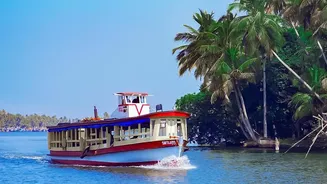
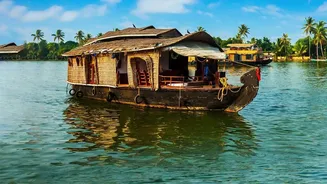
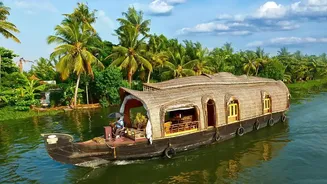
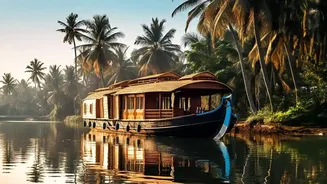
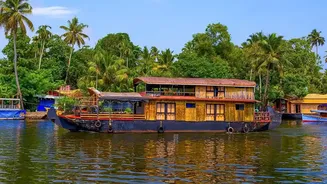
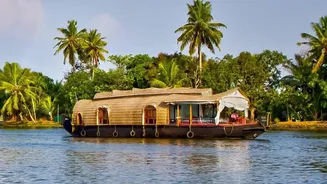
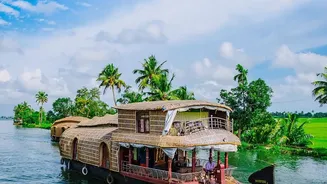
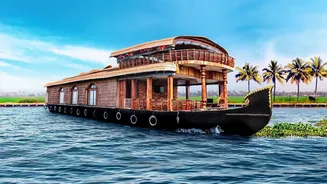
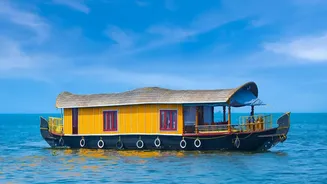
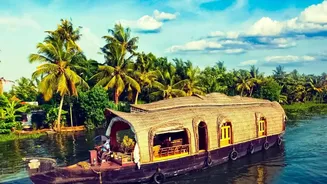
Kerala is not standing still; it is actively working to answer this challenge through innovation. The state is looking beyond its traditional offerings of houseboats and Ayurvedic retreats. Initiatives like the 'STREET' project aim to spread tourism to lesser-known villages, creating new experiential corridors that are culturally and environmentally rich. There is a growing emphasis on gender-inclusive and safe tourism, with a collaboration with UN Women and the introduction of 'Green Marshals' to ensure visitor safety and destination maintenance. By promoting new models like caravan tourism and focusing on MICE (Meetings, Incentives, Conferences, and Exhibitions), the state is diversifying its portfolio. These efforts represent a conscious attempt to manage growth responsibly, ensuring that the future of Kerala tourism is as sustainable as its celebrated past.