



Understanding the Thickness
Before finding a solution, it helps to understand the problem. Castor oil's thickness isn't a flaw; it's a key part of its chemical identity. The oil is composed of up to 90% ricinoleic acid, a rare fatty acid with a unique molecular structure. This structure causes
the oil molecules to bond together, resulting in a high viscosity that is much denser than other popular oils like coconut or olive oil. This same property makes it a powerful moisturiser and conditioning agent, as it forms a protective coating on hair and skin. The goal isn't to eliminate this thickness but to make it more manageable for a smooth, even application.
The Blending Solution: Mix with a Carrier Oil
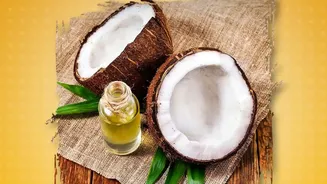
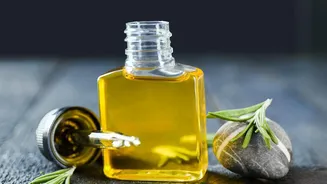
The most effective way to make castor oil less sticky is to dilute it with a lighter carrier oil. This improves its spreadability without sacrificing its core benefits. The ideal ratio often depends on your needs, but a good starting point is one part castor oil to two or three parts carrier oil. For fine hair or oily skin, you might prefer a lighter blend, while very dry hair or skin can handle a richer mixture. Some of the best carrier oils to mix with castor oil include: Jojoba Oil, which closely mimics the skin's natural sebum and is great for facial applications or oily scalps. Coconut Oil is excellent for deep conditioning dry hair as it's known to penetrate the hair shaft. Sweet Almond Oil is rich in Vitamin E and helps soften coarse hair.
Warm It Up for Better Flow
A simple and immediate trick to reduce castor oil’s viscosity is to gently warm it. Heat makes the oil thinner and easier to work with. Never microwave the oil or heat it directly, as this can degrade its beneficial properties and create hot spots that could burn your skin. Instead, place the bottle or a small bowl containing the oil mixture into a larger bowl of warm water for a few minutes. The gentle heat will be enough to make the texture more fluid and application a much smoother process.
Mastering the Application Technique
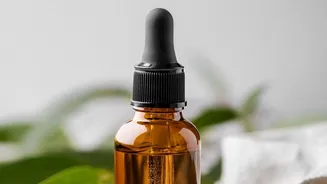
How you apply the oil is just as important as how you prepare it. Instead of pouring a large amount into your hands, use a more precise method. For scalp treatments, part your hair into sections and use a dropper to apply the oil directly to the roots. This ensures even distribution without oversaturating your hair. For eyelashes and eyebrows, a clean mascara wand allows for targeted application without messy drips. When using it on your skin, you can apply it directly to specific dry patches rather than all over your face. Remember that a little goes a long way; it's always easier to add more product than to remove excess.
Use It as a Pre-Wash Treatment
Because of its heavy nature, castor oil works exceptionally well as a pre-shampoo or pre-wash treatment. Applying your warmed, diluted oil mixture to your hair or scalp for 30-60 minutes before you wash allows it to impart its moisturising benefits. This method ensures you get the nourishment without the heavy, greasy residue that can sometimes be left behind, as the shampooing process will wash away any excess oil. Many find this approach gives their hair a soft, conditioned feel without weighing it down. For an intensive treatment, you can leave it on for a few hours, but leaving a heavy blend on overnight is often unnecessary and can lead to buildup.