



What is NavIC and Why Does it Matter?
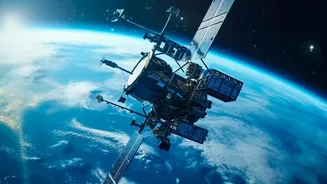
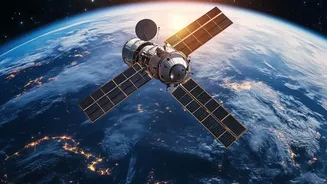
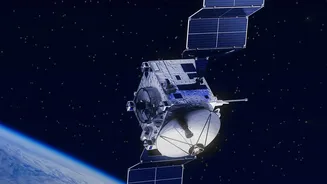
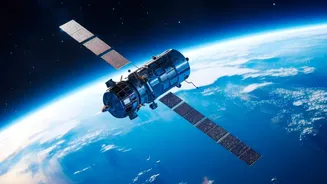
NavIC, which stands for Navigation with Indian Constellation, is the operational name for the Indian Regional Navigation Satellite System (IRNSS). Developed by the Indian Space Research Organisation (ISRO), it's the country's answer to foreign-owned systems
like the US's GPS, Russia's GLONASS, or Europe's Galileo. Designed to provide accurate real-time positioning and timing services, its coverage extends over India and a region stretching approximately 1,500 kilometres beyond its borders. This capability is more than a matter of convenience; it's a crucial pillar of national self-reliance. Having a homegrown system ensures that India's critical navigation services—for defence, disaster management, and strategic infrastructure—cannot be denied or degraded by foreign entities, a significant concern during geopolitical conflicts.
The Need for a Next-Generation Rebuild
The original constellation of NavIC satellites, launched between 2013 and 2018, began facing issues, primarily with the failure of their imported atomic clocks. These ultra-precise clocks are the heart of any navigation satellite, as tiny timing errors can lead to significant location inaccuracies on the ground. Several of the first-generation satellites have become non-operational, reducing the constellation's effectiveness. To provide a basic positioning service, a minimum of four operational satellites are required. With the fleet aging and shrinking, ISRO initiated a plan for a second generation of satellites, known as the NVS series, to not only replace the old ones but to significantly upgrade the system's capabilities and ensure its long-term continuity.
NVS-03: A Crucial Piece of the Puzzle
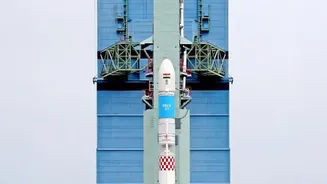
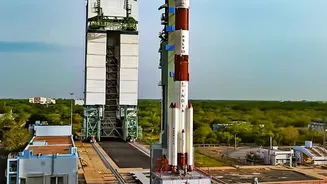
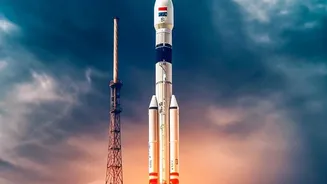
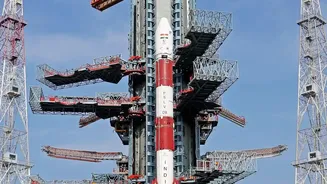
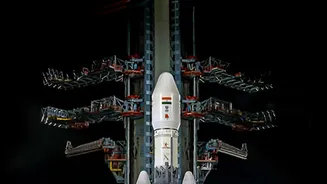
The upcoming launch of the NVS-03 satellite represents a key stage in this rebuild. Following the successful launch of NVS-01 in May 2023 and a setback with NVS-02 in early 2025, the NVS-03 mission is critical for restoring NavIC's full operational strength. According to reports from September 2026, ISRO is targeting a launch for NVS-03 between October 15 and 20. This satellite, along with others in the NVS series, carries significant upgrades. One of the most important is the inclusion of an indigenously developed Rubidium atomic clock, designed to be more reliable than the imported ones that faltered in the first generation. The launch of NVS-03 is set to bring the number of operational satellites back to the minimum of four needed for standalone positioning services.
The L1 Band: Unlocking NavIC for Everyone
Perhaps the most significant upgrade in the second-generation satellites, including NVS-03, is the addition of the L1 frequency band. The original NavIC satellites broadcast on the L5 and S bands. The L1 band, however, is the most common frequency used by civilian GPS devices worldwide, from smartphones to smartwatches. By adding an L1 signal, the new NavIC satellites become interoperable with the vast majority of consumer electronic devices already in the market. This move is a game-changer for the widespread adoption of NavIC, making it easier for manufacturers to integrate India’s navigation system into everyday gadgets without needing special, more expensive hardware. This will pave the way for NavIC to become a household name, powering everything from car navigation to food delivery apps.
What's Next for India's Own GPS?
The launch of NVS-03 is a vital step, but it is part of a larger, ongoing effort. ISRO has NVS-04 and NVS-05 satellites in advanced stages of production to further bolster the constellation. The ultimate goal is to have a robust and fully operational seven-satellite system providing two types of services: a Standard Positioning Service (SPS) for all civilian users and an encrypted Restricted Service (RS) for strategic and military applications. The system already supports fleet tracking, emergency response operations, and vehicle tracking for public safety. As the next-generation constellation comes online, its accuracy, reliability, and accessibility are set to improve, strengthening India's strategic autonomy and expanding its applications in a digitally integrated world.