







What is E20 Fuel Anyway?
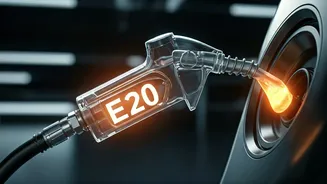
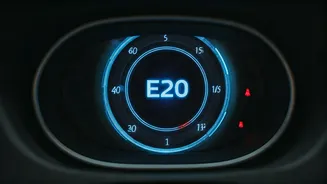
E20 is a blend of petrol that contains 20% ethanol and 80% petrol. Ethanol is a biofuel, typically made from plant sources like sugarcane or maize. India's push for E20 is part of a larger national policy to reduce dependency on imported crude oil, lower
carbon emissions, and support farmers. The government has clarified that this is not a temporary experiment but a long-term strategic shift. The target to achieve a 20% ethanol blend was met in December 2025, a full five years ahead of schedule, marking a significant step in the country's energy policy.
The Source of the Scare
The widespread rollout of E20 has been accompanied by a surge of misinformation, primarily on social media. Vehicle owners have expressed fears about potential engine damage, corrosion of fuel lines, voided warranties, and a significant drop in mileage. These concerns often stem from the known properties of ethanol, such as its ability to attract moisture, which can be corrosive to certain materials if not accounted for in vehicle design. The debate intensified with claims that E20 was an untested fuel being forced upon consumers.
The Scientific and Industry Rebuttal
In response, a united front of industry experts, top automakers, and scientific bodies has emerged to counter these fears. Organizations like the Society of Indian Automobile Manufacturers (SIAM) and the Automotive Research Association of India (ARAI) have stated that the E20 program was implemented after years of extensive, science-based testing. Former Engineers India Limited (EIL) CMD Vartika Shukla emphasized that the transition was a “measured, scientifically driven, step-by-step process,” not a sudden decision. Automakers including Maruti Suzuki, Toyota, Hyundai, and Hero MotoCorp have confirmed that their own tests and massive amounts of service data show no increase in engine damage or component failure in vehicles running on E20.
Is My Vehicle Compatible?
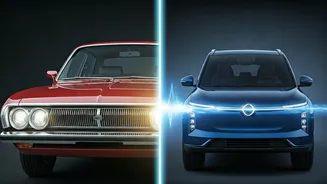
This is the most critical question for consumers. The simple answer is that most vehicles manufactured in India after April 2023 are designed to be fully E20 compliant. Manufacturers have modified fuel system components and engine tuning to handle the higher ethanol blend. For older vehicles (pre-2023 models designed for E10), major automakers like Maruti Suzuki have stated that their tests on these cars with E20 fuel have not revealed any significant concerns, citing safety margins built into the original designs. A 2021 ARAI study also concluded that the potential for damage to older cars and two-wheelers is insignificant. However, owners of older vehicles are still advised to check their user manual or the manufacturer’s website for specific guidance.
Addressing the Mileage and Warranty Questions
Experts do acknowledge that E20 fuel can lead to a minor reduction in mileage. This is because ethanol has a slightly lower energy content than petrol. However, the drop is typically small, in the range of 2-4%, far less than some of the more dramatic claims circulating online. On the performance front, ethanol's higher octane rating can actually improve acceleration. Crucially, both SIAM and ARAI have assured consumers that vehicle warranties will not be voided by the use of E20 fuel, provided the vehicle is approved for it. Insurers have also clarified that policies remain valid.