


The State of the Market
As of mid-September 2026, global rice markets are in a state of nervous consolidation. After a significant rally, prices have stabilized but remain historically expensive. For example, benchmark prices for Thai and Vietnamese rice, while slightly softer
in recent weeks, reflect a market acutely sensitive to supply shocks. This price pressure is a direct concern for the more than 3 billion people who depend on rice as a daily staple. The United Nations' latest reports on food security, while noting some modest global improvements in 2025, warn that progress is uneven and that conflict and climate change continue to threaten stability. With billions of people still unable to afford a healthy diet, the high cost of a foundational grain like rice can have devastating consequences.
The Conflict Contagion
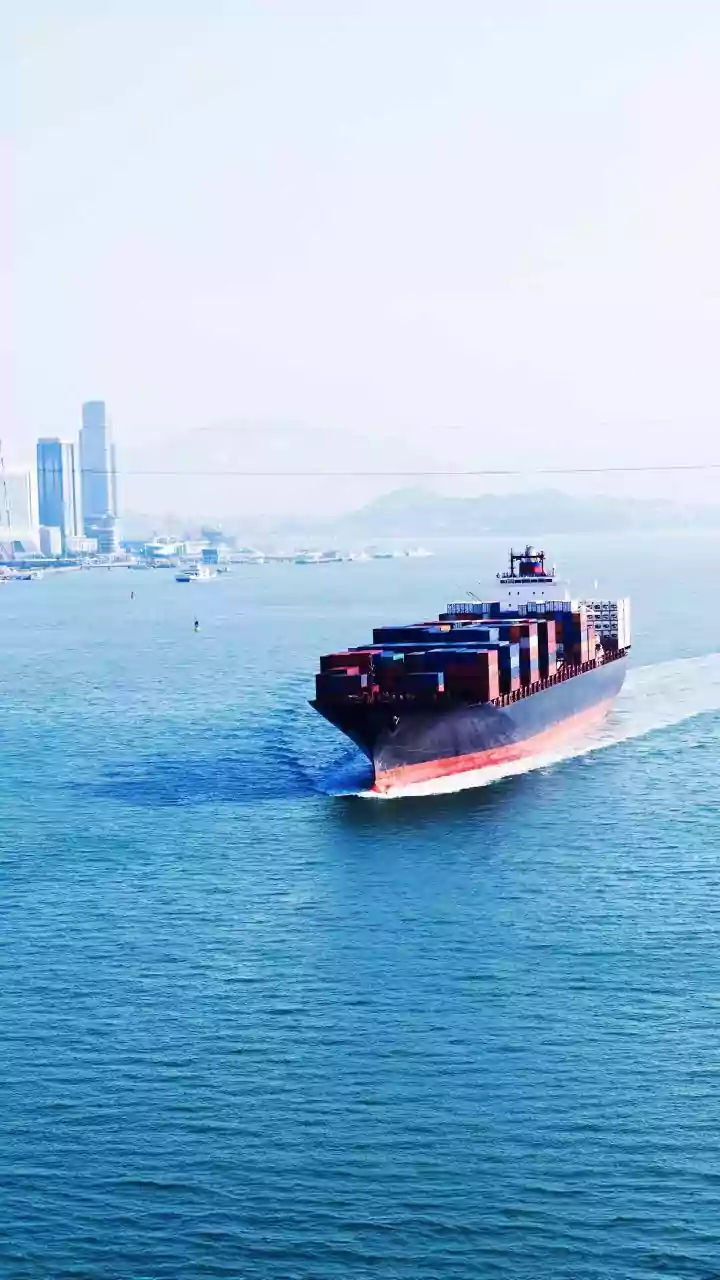
Global food supply has become 'collateral damage' in multiple ongoing conflicts, a reality highlighted by the UN Secretary-General. In 2026, several critical maritime chokepoints are under pressure simultaneously. The conflict in the Middle East has severely disrupted traffic through the Strait of Hormuz, a key artery for fertilizer and energy shipments. This directly inflates the cost of agricultural inputs. Simultaneously, tensions in the Black Sea continue to put one of the world's most important grain corridors at risk. These conflicts create a ripple effect; higher energy costs mean it is more expensive to produce fertilizer, run irrigation pumps, and transport food from farm to market. The result is a system where regional wars translate directly into higher food prices for consumers thousands of miles away.
A Climate of Uncertainty
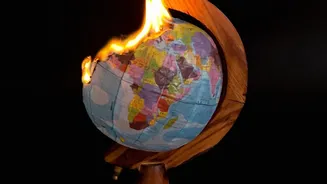
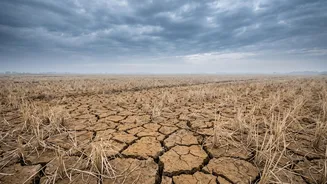
Extreme weather is no longer a future threat but a present and powerful market driver. A strong El Niño weather pattern is creating unpredictable conditions, from intense droughts to damaging floods, in key rice-producing regions across Asia. A weak monsoon in parts of India has already prompted concerns over crop yields for the upcoming season. Scientists have warned that for every degree Celsius of warming, rice production is projected to fall significantly. While agricultural management, such as improved irrigation and nutrient use, has historically helped offset climate-related losses, these systems are now under immense strain. In some regions, a reliance on groundwater to save crops during dry spells is depleting long-term reserves, creating a dangerous feedback loop where short-term solutions imperil future viability.
India's Pivotal Role
No discussion of the global rice market is complete without focusing on India, which accounts for over 40% of the world's rice exports. New Delhi's policies have an outsized impact on global prices and availability. Facing domestic food price inflation and crop damage from erratic monsoon rains, the Indian government has enacted significant export restrictions on non-basmati white rice to ensure its own supplies. This mirrors actions taken on other commodities like wheat and sugar. While officials have clarified that certain types like parboiled rice are not affected, the move effectively halves the country's total shipments, sending shockwaves through import-dependent nations, particularly in Africa. Analysts have noted that this disruption to the rice market is more significant than the impact of the Ukraine war on wheat, highlighting India's critical position as both a major producer and a potential source of market volatility.