






1. Japan
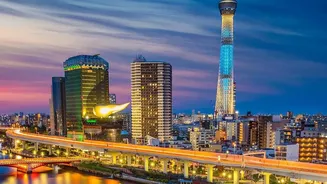
Japan has climbed to the number one spot in the World Economic Forum's 2026 Travel & Tourism Development Index, unseating the United States. The nation's top ranking is a testament to its powerful blend of ancient tradition and futuristic modernity. Japan scores
exceptionally high on cultural resources, from its serene temples and UNESCO World Heritage sites to its vibrant pop culture of anime and manga. This cultural depth, combined with world-class ground infrastructure, exceptional hygiene standards, and a reputation for safety, creates an environment ripe for tourism. The country's concerted effort to boost visitor numbers through policy shifts has clearly paid off, making it a model for sustainable and attractive tourism development.
2. The United States
Slipping to second place after holding the top spot in the previous index, the United States remains a global tourism powerhouse. Its strengths lie in the sheer scale and diversity of its offerings. The U.S. boasts vast natural resources, from national parks to stunning coastlines, and a wide array of cultural experiences. The index recognizes its market size, robust air connectivity, and well-developed tourist services infrastructure. While it has been overtaken by Japan, the U.S. continues to provide one of the most favorable environments for travel and tourism development in the world, backed by a strong business environment and significant non-leisure resources, such as for business travel.
3. Spain
A perennial favorite, Spain consistently ranks among the top echelon of travel destinations, and for good reason. The country is lauded for its rich cultural resources, including historic architecture, world-famous festivals, and exceptional cuisine. It pairs this with top-tier tourist services and infrastructure, making it easy for visitors to explore its diverse regions. Spain's high scores in areas like air transport infrastructure and international openness demonstrate its long-standing commitment to the tourism sector. Its ability to draw visitors to its cities, beaches, and countryside alike makes it a resilient and highly competitive destination.
4. Australia
Australia’s placement in the top five is driven by its exceptional natural resources and a strong focus on sustainability. The country’s unique wildlife, iconic landscapes, and pristine coastal areas are major draws. The WEF report acknowledges Australia's prioritization of tourism, supported by excellent air transport infrastructure and a safe, secure environment for travelers. Furthermore, Australia’s high marks in socioeconomic resilience show that it has the capacity to manage tourism growth effectively, making it a destination that is not only desirable but also well-prepared for the future of travel.
5. France
Rounding out the top five, France continues to be a global leader in tourism. Its world-renowned cultural assets, from Parisian museums to the vineyards of Bordeaux, give it an almost unmatched level of global appeal. The index highlights France’s exceptional cultural resources and well-established tourist services infrastructure. Decades of investment in high-speed rail and international airports have created a seamless travel experience. France’s enduring popularity is supported by a strong foundation of policies that enable and encourage tourism development, cementing its status as a premier destination.
The Best of the Rest
The remainder of the top ten is dominated by high-income economies, primarily in Europe. Germany, the United Kingdom, Italy, and Switzerland all feature, praised for their high levels of infrastructure, safety, and rich cultural offerings. The sole exception in this elite group is China, which has solidified its position in the top ten. China is the only upper-middle-income economy to reach this rank, a reflection of its massive investment in tourism infrastructure, its vast cultural and natural resources, and its growing international openness.
More Than Just Visitor Numbers
It is important to note that the WEF's index is not simply a ranking of the most-visited countries. Instead, it measures the set of factors and policies that enable the sustainable and resilient development of travel and tourism. The index analyzes countries across several key pillars, including the business environment, safety and security, health and hygiene, human resources, ICT readiness, price competitiveness, infrastructure, and natural and cultural resources. This comprehensive approach provides a more holistic view of which countries are best positioned to manage and grow their tourism sectors for the long term.
From Recovery to Responsible Growth
The central theme of the 2026 report is that the global tourism sector has largely moved beyond the post-pandemic recovery phase. With international arrivals and economic contributions surpassing pre-crisis levels, the industry's primary challenge is no longer about generating demand. Instead, the new frontier is managing this immense growth sustainably. Destinations are now grappling with issues like rising costs, labor shortages, and ensuring that the benefits of tourism are distributed widely without putting undue pressure on local communities, infrastructure, and natural environments.