




The Making of a Performer: Years of Sacrifice
Behind every mesmerizing performance lies a foundation of almost superhuman discipline. For artists of forms like Kathakali and Theyyam, the journey begins in childhood. Training is not a casual hobby but a complete surrender of body and mind. Inspired
by the ancient martial art of Kalaripayattu, the physical conditioning is famously rigorous, involving years of painful exercises and oil massages to make the body supple and strong. This physical mastery is paired with deep intellectual and spiritual learning. Kathakali actors, for instance, spend eight to twelve years mastering not just movement but also an intricate language of hand gestures (mudras) and subtle facial expressions. They learn to control individual eye and brow muscles to convey complex emotions and narratives from epic tales like the Ramayana and Mahabharata. This gruelling preparation, often undertaken in traditional schools or with a guru, isolates the artist in a world of relentless practice, all for a performance that will last a few hours.
Kathakali: The Grandeur of Storytelling
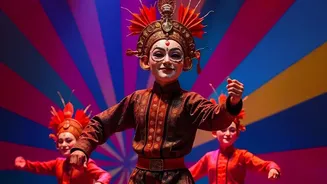
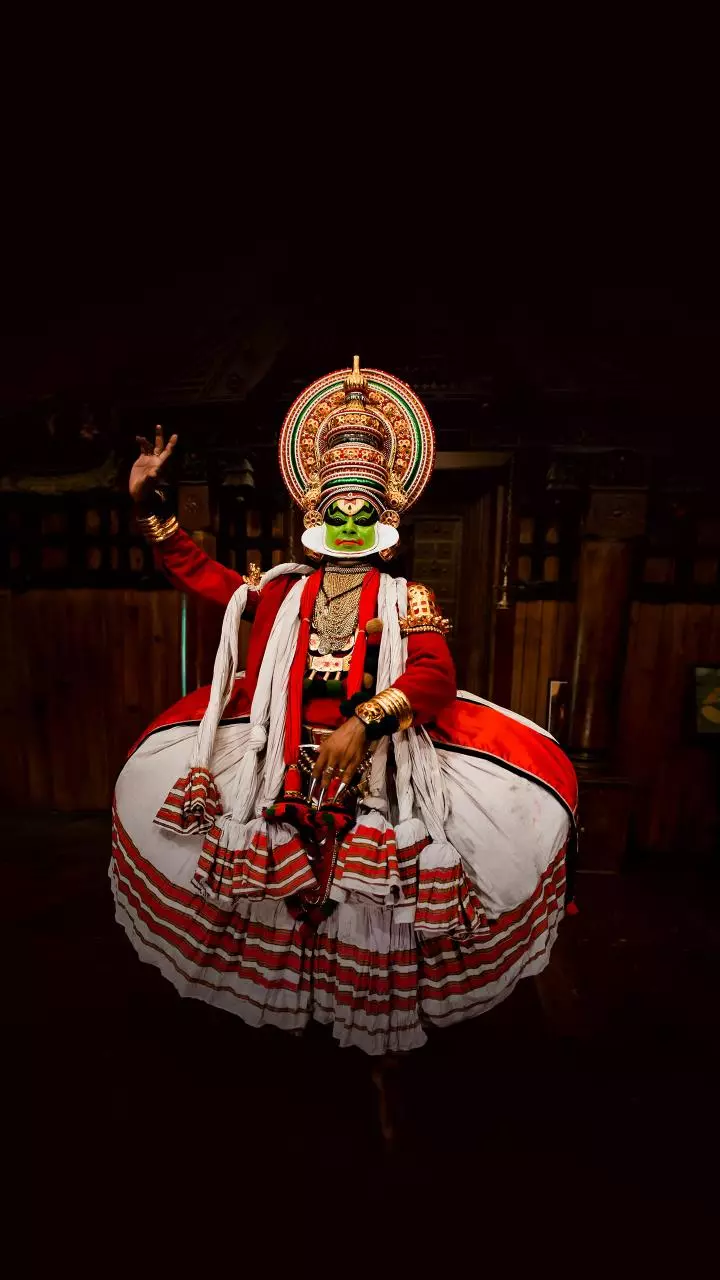
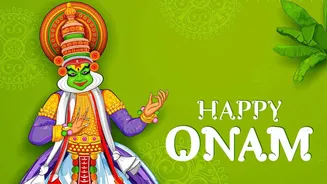
Kathakali is perhaps the most famous example of this disciplined artistry. It is a dance-drama where stories unfold not through spoken dialogue but through the actors' precise movements and expressions. The transformation of the actor begins hours before the performance, with elaborate makeup and costumes that are symbolic in themselves; green signifies a noble hero, while red and black often denote evil characters. Once the heavy headgear is placed, the actor fully embodies the character, no longer an ordinary person but a vessel for a mythic being. Traditionally staged in temple courtyards, these performances would last all night, a testament to the stamina and dedication instilled by years of training. While the actors are the focus, the performance is a collaborative effort involving singers who narrate the story and percussionists who drive the drama with powerful rhythms.
Theyyam: Where the Divine Meets the Village
If Kathakali is classical theatre, Theyyam is raw, divine communion. Performed mainly in the sacred groves and ancestral homes of North Malabar, Theyyam is a ritual where the performer is believed to become a living god. The artist, often from a specific hereditary community, undergoes days of fasting, prayer, and meditation before the performance. The visual spectacle is breathtaking, with massive, elaborate headgear and striking face paint. But Theyyam is not a performance for a passive audience; it is a vital community event. The entire village participates, contributing to the festival, preparing the grounds, and seeking blessings from the performer, who is now seen as a direct channel to the divine. In this sacred space, social hierarchies dissolve, and everyone from all castes approaches the Theyyam for counsel and blessings. It is the ultimate fusion of an individual's extreme asceticism and the collective's spiritual and social life.
The Community as the Stage
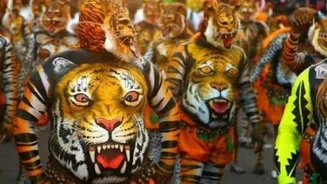
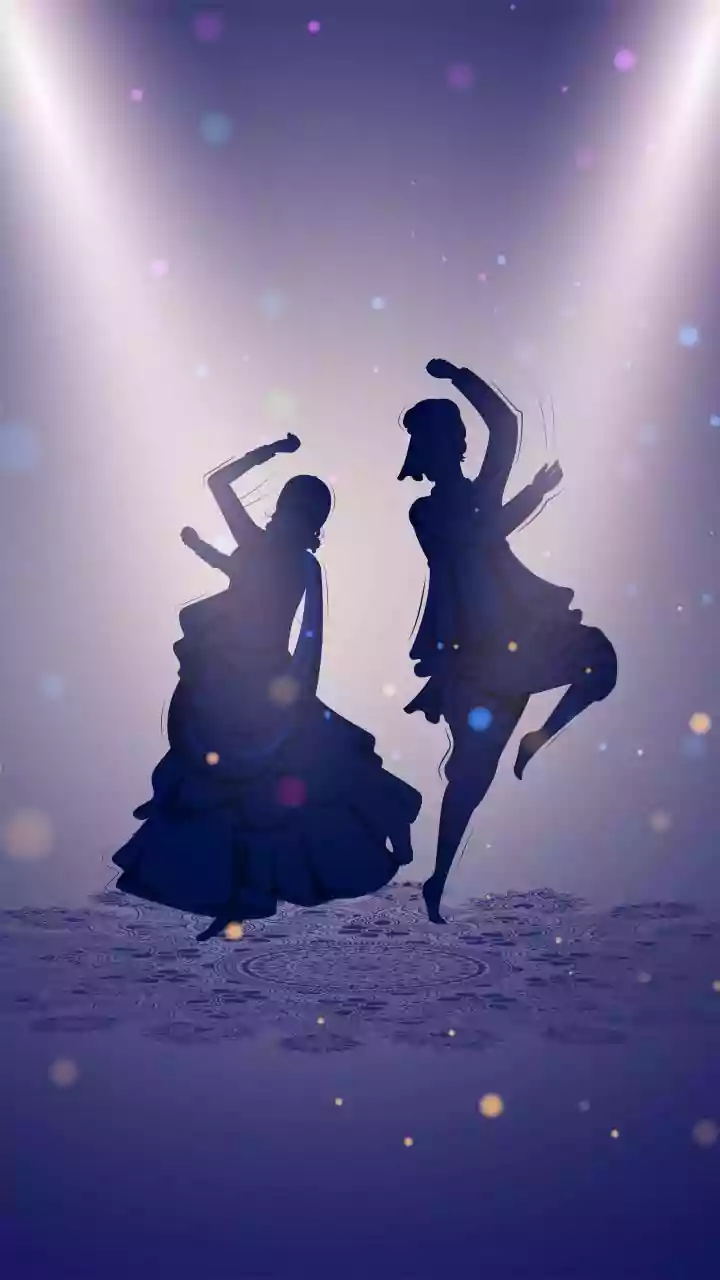
Across Kerala, festival arts are rarely just for entertainment; they are threads in the social and spiritual fabric of a place. Temple festivals are often organized by local committees, with the whole community contributing time and resources. Group dances like Kolkali, performed with sticks in a circle, and Thiruvathirakali, a graceful dance by women, are inherently about cooperation and unity. Even solo forms are embedded in a communal context. The performances happen in open-air temple grounds, ancestral homes, or village squares, not on distant, proscenium stages. This proximity dissolves the barrier between artist and spectator. The audience is not just watching; they are participating in a ritual, sharing in a story, and reinforcing their collective identity. These events are a living heritage, preserving folklore, oral histories, and shared values for the next generation.