




More Than Just a Meal Plan
When India sends its first astronauts into orbit, they will carry a taste of home with them. A menu featuring familiar comforts like idli, vegetable biryani, and moong dal halwa has been meticulously developed, not in a star chef's kitchen, but in a high-tech
laboratory. The Defence Food Research Laboratory (DFRL) in Mysuru, an arm of the Defence Research and Development Organisation (DRDO), is behind this unique culinary challenge. With decades of experience creating specialized food for soldiers in extreme environments like Siachen, DFRL was the natural choice to design meals for the final frontier. The extensive menu, which includes both vegetarian and non-vegetarian options, is designed to be low in spice and requires minimal preparation, with most items being ready-to-eat or easily rehydrated.
The Challenge of Eating in Space
Eating in a zero-gravity environment is far from simple. Food must be nutritious, have a long shelf life, and be packaged to prevent crumbs from floating away and damaging sensitive equipment. This is why bread, for example, is typically excluded from space menus. Beyond the technical aspects, there's a significant human element. The psychological comfort of a familiar, tasty meal can be a major morale booster for astronauts on a stressful mission. Moreover, the food must provide a balanced diet to counteract the physiological effects of space travel. DRDO scientists have developed special packaging and even food warmers to make the dining experience as normal as possible. Liquids like water and juices are consumed from specially designed containers to prevent spillage in the weightless conditions of the spacecraft.
From Food to Critical Mission Data
The headline's "limited menu" refers to the specific sets of food items used during various evaluation phases. These trials are about much more than taste. Each meal provides a wealth of data that is crucial for mission planning. Scientists from DRDO and the National Institute of Nutrition (NIN) are studying everything from the food's stability and nutritional integrity to its effect on the astronauts' health. Evaluations involve monitoring the physiological parameters of those consuming the food, gathering feedback on acceptability, and analysing how body composition changes. For instance, studies are being conducted to understand how to manage nutrient levels, like fibre and sodium, to maintain astronaut gut health and overall well-being in microgravity. This feedback directly informs modifications, ensuring the final flight menu is both safe and satisfying.
Simulating Space on Earth
To gather the most accurate data possible, ISRO and its partner institutes are conducting sophisticated simulation studies. One such study involves participants remaining in a strict head-down bed-rest position for many days to mimic the physiological effects of microgravity on the human body. During these simulations, every aspect of the astronauts' experience, including eating, is replicated under monitored conditions. This allows researchers to observe how the body processes the specially formulated foods and to fine-tune the diet plan based on real-world physiological responses. These tests provide invaluable data on energy levels and how nutritional needs fluctuate during different phases of a space mission, forming a critical feedback loop for the scientists at DFRL and NIN.
The Road Ahead for Gaganyaan
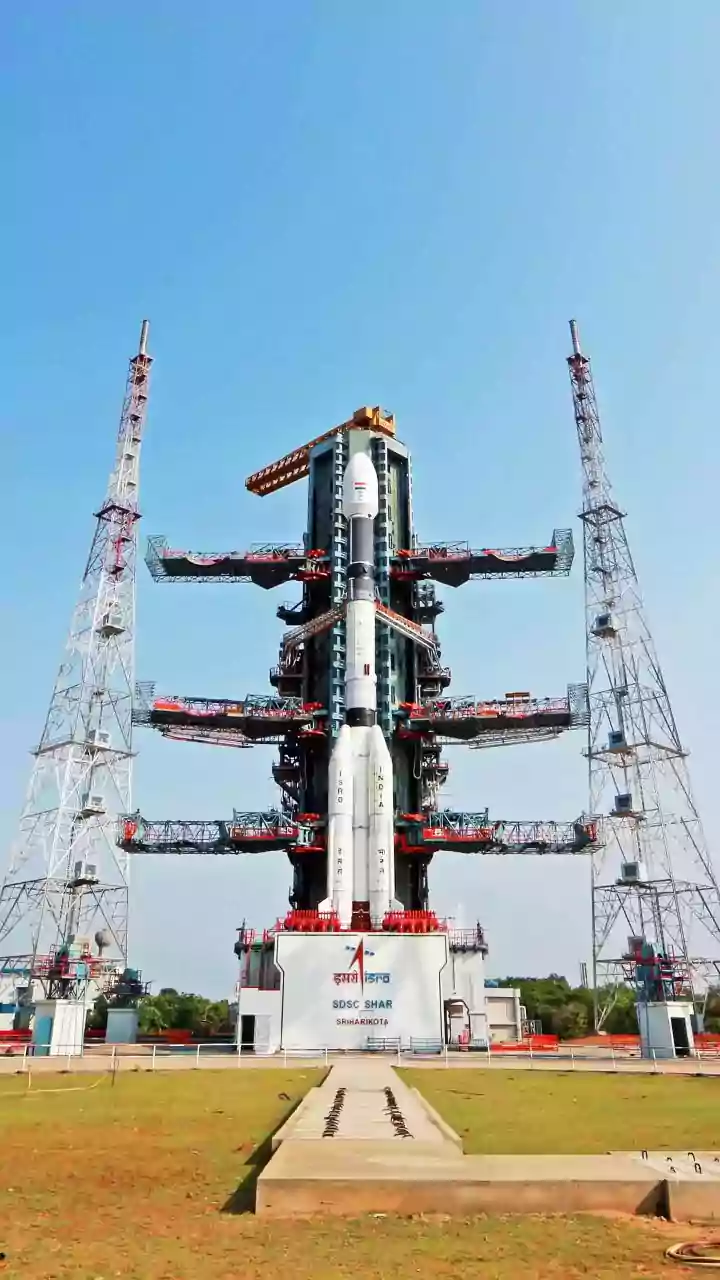
The development and testing of the space food menu is a significant milestone in the broader Gaganyaan programme. While the final launch date is contingent on the successful completion of several uncrewed test flights and rigorous safety checks, the progress made on life-support systems, including food, demonstrates a high level of preparedness. The work done by DRDO and NIN ensures that when the astronauts do embark on their historic journey, their health and well-being will be supported by a scientifically designed, nutritionally complete, and psychologically comforting diet. This attention to detail highlights the complexity of human spaceflight, where every single element, no matter how small, plays a vital role in mission success.