






A Legacy Reclaimed
The journey of 'Awarapan 2' is one of modern Bollywood's most compelling comeback stories. The original 2007 film, while loved for its soulful music and Emraan Hashmi’s brooding performance as gangster Shivam Pandit, was a commercial failure. Yet, it cultivated
a passionate fanbase over nearly two decades, with constant demands for a sequel. Producer Vishesh Bhatt has called the decision to make the sequel an 'emotional' one, aimed at reclaiming the original's legacy. Releasing on August 14, 2026, the film became a runaway success, proving the character's journey was far from over. This time, the story is a direct continuation, revealing that Shivam survived his apparent death and is pulled back into the criminal underworld to bust a child trafficking racket. To do justice to this larger-than-life return, the makers chose a canvas to match.
Rajasthan's Stark and Gritty Terrain
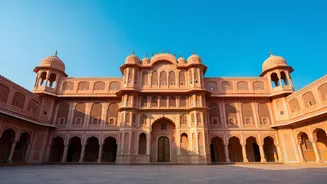
A significant portion of the sequel unfolds in the vast, rustic landscapes of Rajasthan, a deliberate and striking departure from the urban grit of the first film. The cast and crew filmed extensively in Sambhar, using its scenic salt flats and arid terrain to stage crucial dramatic sequences and high-stakes action scenes. This choice of location offers more than just a pretty backdrop; it infuses the narrative with a sense of isolation and raw earthiness. The open deserts provide a visual metaphor for Shivam's lonely path, a man haunted by his past and seeking redemption in a world stripped bare. It was here, during the filming of an action sequence, that Emraan Hashmi reportedly suffered an injury, a testament to the physicality of the production in this demanding environment. The ruggedness of Rajasthan grounds the film, giving its emotional conflicts a dusty, tangible reality.
Bangkok's Neon-Drenched Underworld
While Rajasthan provides a new texture, the film returns to the familiar, chaotic streets of Bangkok, the primary setting of the original. This isn't just a nod to the past; it's central to the plot. Director Nitin Kakkar, who took the helm from the original's director Mohit Suri, utilized real locations across the Thai metropolis, from bustling markets to crowded streets, to capture an unfiltered and raw energy. Bangkok serves as the heart of the child trafficking operation Shivam aims to dismantle, its vibrant yet dangerous atmosphere mirroring the moral complexities of his mission. For fans, returning to Bangkok is like revisiting a crime scene, a place of immense pain and loss for Shivam. For the film, it provides a sense of continuity, showing that while Shivam has changed, the darkness he once inhabited remains.
A Global Canvas in Malaysia
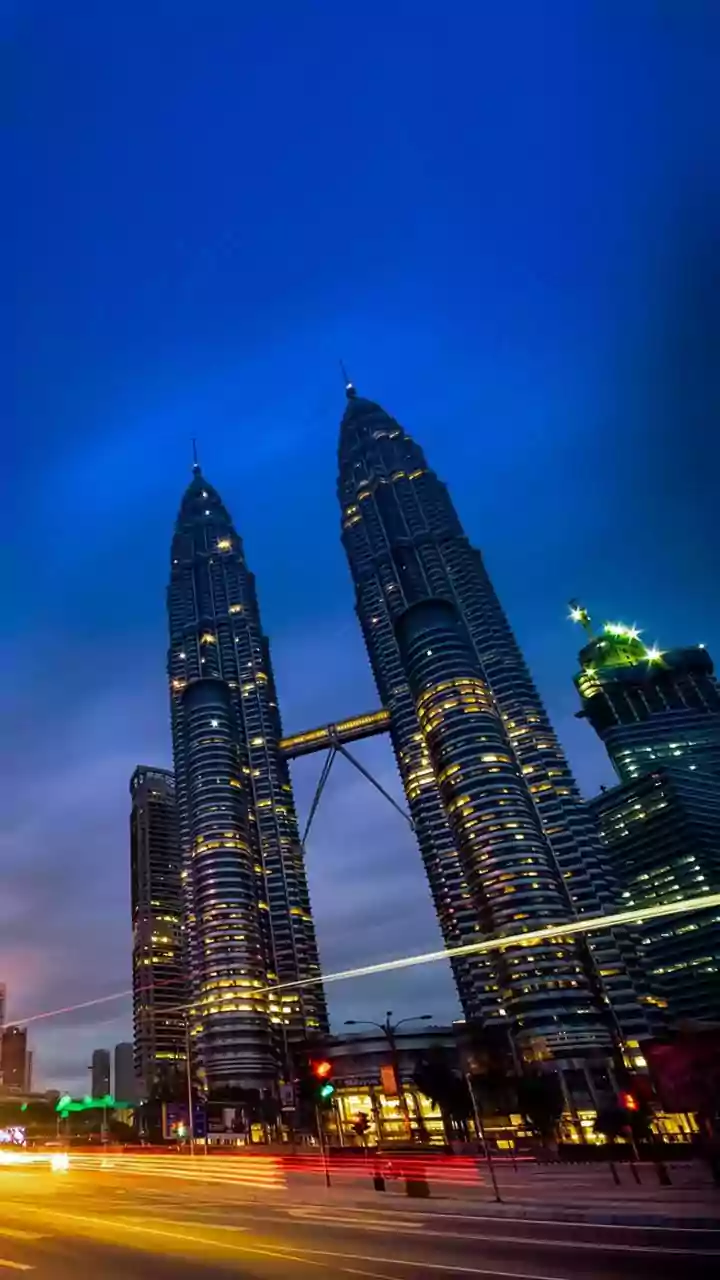
To further widen the sequel's scope, the production also moved to Kuala Lumpur, Malaysia. Filming in another major Asian metropolis signals that Shivam's new battle is not confined to one city. It elevates his personal mission into a larger, international conflict, hinting at a web of crime that spans borders. The sleek, modern backdrop of Kuala Lumpur contrasts with both the grime of Bangkok's underworld and the desolation of Rajasthan's deserts. This expansion of the world, from local gangster saga to a sprawling action thriller, is a key reason for the sequel's grander feel. Producer Vishesh Bhatt noted that bringing in new elements, like actress Disha Patani, opened up the world of the film to new possibilities, and the diverse locations are a clear reflection of that expanded vision.
A Story Told Through Two Worlds
The true genius of 'Awarapan 2' lies in how it uses these contrasting landscapes to tell its story. The film is a tale of two worlds, visually and thematically. On one hand, the empty, sun-scorched plains of Rajasthan represent Shivam’s inner turmoil, his solitude, and a search for purification. On the other, the dense, neon-lit Asian cities represent the pervasive corruption and violence he is forced to confront. The visual journey from the quiet expanse of the desert to the claustrophobic energy of the city streets mirrors the character's own journey from a retired life back into the heart of darkness. This intentional contrast creates a dynamic and visually rich experience, ensuring that every frame serves the narrative's core themes of loss, love, and redemption.