




A Familiar, Unsettling Tune
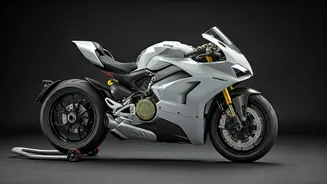
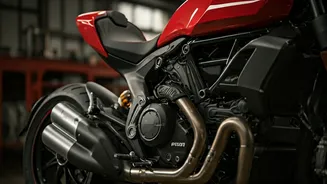
If you follow the world of high-performance motorcycles, the news that Volkswagen might sell Ducati probably feels like a rerun. The German auto giant, which owns Ducati through its Audi and Lamborghini subsidiaries, has entertained this idea before,
notably back in 2017. Each time Volkswagen Group faces a major strategic crossroad—whether it's a corporate scandal or a multi-billion-dollar pivot in technology—its smaller, non-core assets come under scrutiny. Ducati, for all its prestige, is the very definition of a non-core asset in a portfolio dominated by cars, trucks, and a massive push toward electric vehicles. So, while the brand itself is a powerhouse of performance and passion, its place within the vast VW empire is perennially insecure.
The Paradox of the Trophy Asset
Herein lies the central conflict: Ducati is being considered for sale not because it is failing, but precisely because it is successful. The brand is a 'trophy asset,' a crown jewel that is highly profitable, commands fierce loyalty, and dominates on the racetrack. In its most recent financial reports, Ducati demonstrated solid profitability even in a challenging global market. This success, however, makes it an attractive and easily sellable piece of the business. For a conglomerate like Volkswagen, which needs to raise immense capital to fund its transition to electric vehicles and compete with new rivals, selling a valuable brand like Ducati is a straightforward way to generate cash. The motorcycle maker's profits, while healthy, are a drop in the ocean for VW's overall balance sheet, making it more valuable as a saleable asset than as an operating part of the company.
Volkswagen’s All-In Bet on Electric
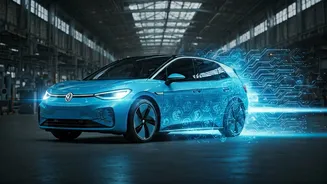
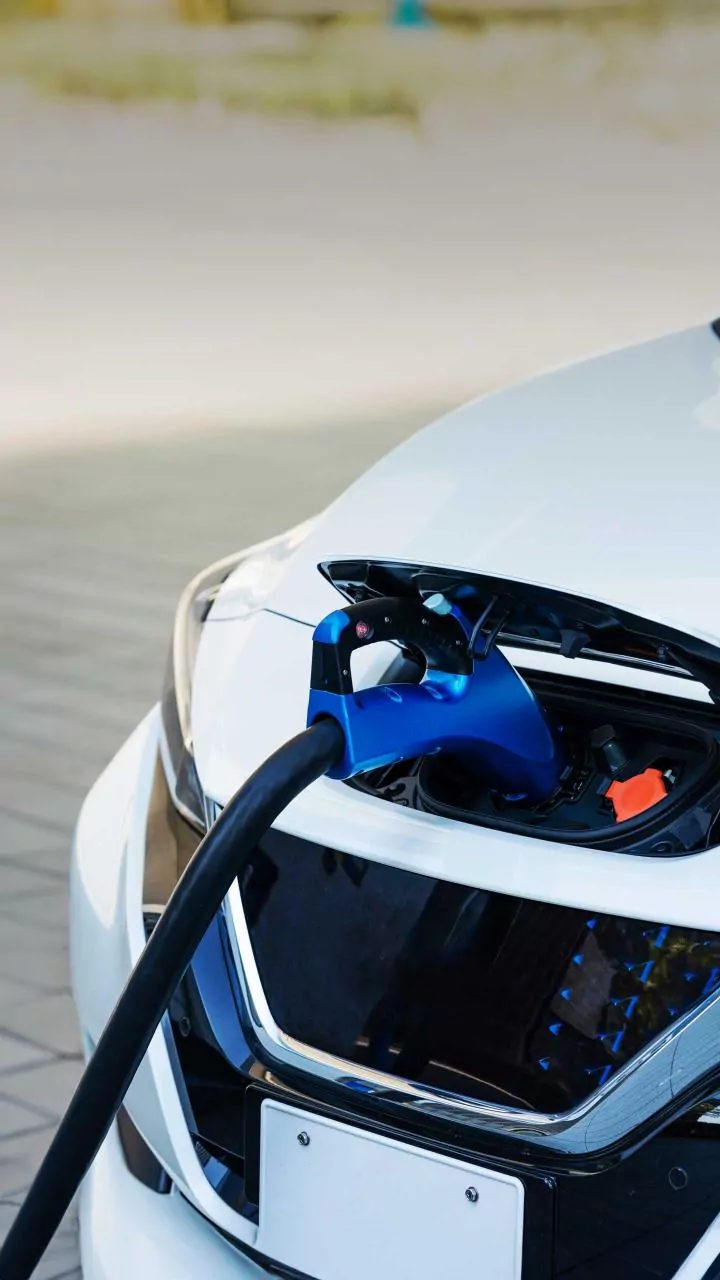
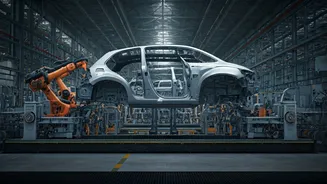
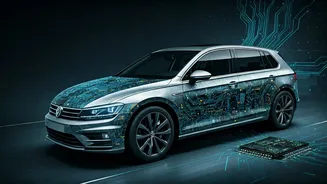
Volkswagen Group is in the midst of one of the most significant transformations in its history, betting its future on electric vehicles (EVs). This strategic shift involves astronomical investments—tens of billions of euros—into battery technology, new software platforms, and a complete re-engineering of its product lines and factories. The company is facing intense pressure to streamline its operations, cut costs, and focus every available resource on winning the EV race. Within this context, a manufacturer of high-performance internal combustion engine motorcycles, no matter how iconic, looks like a strategic outlier. Ducati simply does not fit into the electric, software-driven future that VW is building for itself. This corporate mismatch is the primary driver behind the renewed sale speculation.
The Financial Calculus and Potential Buyers
While Volkswagen has made no official announcement, reports indicate that investment bankers are actively encouraging the move, especially after the successful sale of other non-core businesses. The logic is simple: sell high-value, non-essential brands to fund the core mission. This has inevitably led to speculation about who might buy Ducati. The pool of potential suitors is varied. It could include private equity firms that specialize in luxury brands, rival motorcycle manufacturers looking to acquire a top-tier name, or even a consortium of investors looking to take the company public. For Ducati fans and owners, a change in ownership always brings anxiety about the brand's direction, commitment to racing, and the very soul of the machines they love.
What’s Next for the Red Machine?
For now, the situation remains one of uncertainty. Volkswagen could ultimately decide to keep Ducati, just as it did in 2017, perhaps concluding that the brand's stable profitability and prestige are worth holding onto. Alternatively, it could pursue a full sale or a public spin-off similar to what has been discussed for Lamborghini. In the short term, nothing will change for the engineers in Borgo Panigale or the riders on the street. The bikes rolling off the assembly line remain some of the most advanced and desirable in the world. However, the long-term strategic questions hang in the air. The ultimate fate of this legendary Italian brand rests not on its own performance, but on the colossal strategic and financial calculations of its German parent company.