

The Star of the Show: Gochujang
At the heart of this dish is gochujang, a staple of Korean cooking that has captivated food lovers worldwide. It’s a thick, deep-red paste made from red chilli powder, glutinous rice, fermented soybeans, and salt. This fermentation process, which can
take months or even years, creates an incredible depth of flavour. Gochujang is not just about heat; it delivers a complex blend of spiciness, a subtle sweetness from the rice, and a rich, savoury umami taste from the soybeans. This makes it an ideal base for a sauce, as it provides multiple layers of flavour from a single ingredient. Brands can vary in their exact levels of spice, sweetness, and saltiness, so it's always a good idea to taste your gochujang before you start and adjust other seasonings accordingly.
The Unbeatable Crunch: Crisping Tofu Separately
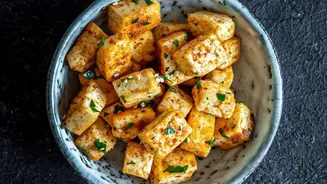
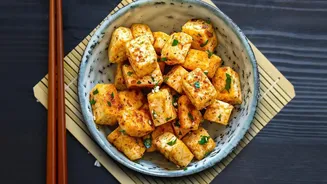
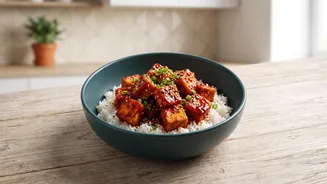
The second headline reveals the textural secret: crisping tofu separately preserves its texture. This is arguably the most critical step to avoid a soggy, disappointing meal. When tofu is fried or baked correctly, the moisture on its surface evaporates, leaving behind a crisp, dehydrated crust. If you were to add this crispy tofu to a thin, watery sauce in the pan, that crust would act like a sponge, immediately soaking up the liquid and turning soft. To achieve that perfect crunch, start with extra-firm tofu. The first step is to remove as much water as possible by pressing it for at least 20-30 minutes. Once pressed, you can cut it into cubes or, for even more crispy edges, tear it into bite-sized pieces. Tossing these pieces in a light coating of cornstarch or arrowroot starch is a game-changer; the starch creates a shatteringly crisp exterior when cooked. Pan-fry, bake, or air fry the tofu until it's golden brown and crisp on all sides before it ever meets the sauce.
Building the Perfect Gochujang Sauce
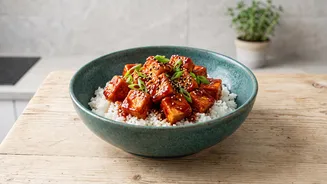
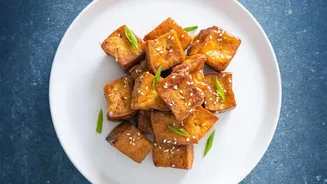
Now for the flavour that brings it all together. A great gochujang sauce balances the paste’s intensity with other complementary ingredients. A classic combination starts with gochujang and adds soy sauce for salt and umami, rice vinegar for a touch of acidity, and a sweetener like maple syrup, agave, or honey to balance the heat. Minced garlic and grated ginger are essential for an aromatic punch, while a little toasted sesame oil adds a nutty, fragrant finish. To make the sauce, simply whisk all these ingredients together in a small bowl. For a smoother, thicker glaze that will cling to the tofu, you can warm the sauce gently in a skillet until it starts to simmer and thicken slightly. Tossing the pre-crisped tofu in this thickened sauce for just a few moments off the heat ensures every piece is perfectly coated without losing its crunch.
Assembling Your Masterpiece
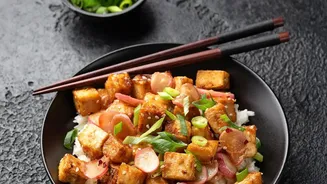
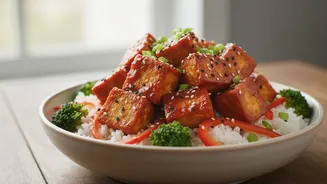
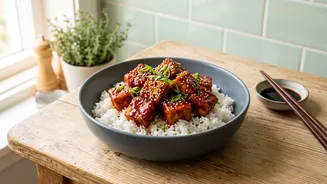
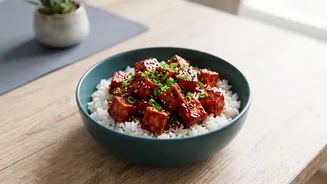
With your two main components perfected, building the bowl is the fun part. Start with a foundation of fluffy steamed rice, either white or brown. Arrange a generous portion of the crispy, sauce-coated tofu on one side. The rest of the bowl is a canvas for your favourite vegetables. Steamed broccoli, sautéed bell peppers, shredded carrots, and sliced cucumbers add freshness, colour, and crunch. Other great options include bok choy, mushrooms, edamame, or wilted spinach. Once assembled, garnish your bowl with a sprinkle of toasted sesame seeds and thinly sliced green onions for a final layer of texture and flavour.
Make It Your Own: Tips and Variations
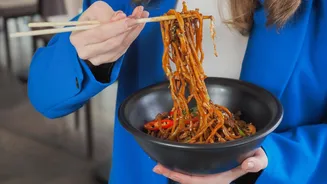
One of the best things about a tofu rice bowl is its versatility. You can easily adjust it to your taste or what you have on hand. If you prefer less heat, start with a smaller amount of gochujang and add more to taste. For a different base, try quinoa, farro, or even ramen noodles instead of rice. The vegetable combinations are nearly endless; try adding roasted sweet potatoes, fresh bean sprouts, or sautéed cabbage. Toppings can also be experimented with—a bit of kimchi adds a fermented funk that complements the gochujang, while chopped peanuts or fried shallots can add another layer of crunch.