




A Sweeping Strategic Overhaul
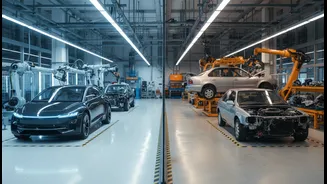
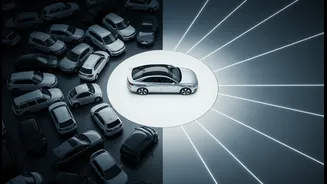
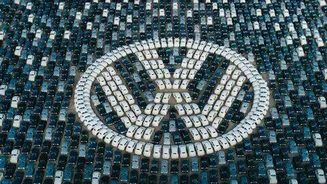
Volkswagen Group recently announced a dramatic plan to streamline its vast automotive empire. The company intends to cut its global model portfolio by as much as 50% by 2030. This move is part of a comprehensive strategy to reduce complexity, boost profitability,
and free up resources. Alongside the vehicle cuts, VW plans to slash the number of available equipment options by up to 75%, simplifying everything from the factory floor to the customer showroom. This isn't just trimming the edges; it's a fundamental rethinking of how the company operates, driven by what CEO Oliver Blume calls a need to make the group “faster, more resilient, and more competitive.”
Why Familiar Cars Are Disappearing
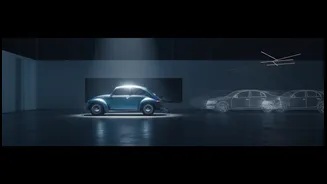
The primary driver behind this decision is financial performance. In a statement, VW announced it will concentrate on “the most attractive market segments.” Put simply, models that are not pulling their financial weight are on the chopping block, regardless of their history or critical acclaim. The stylish Arteon sedan, for example, was discontinued due to being a low-volume, niche model. Other models with uncertain futures in some markets include those with significant overlap, such as the multiple subcompact SUVs offered in Europe. The goal is to focus investment on core, high-volume products like the Tiguan SUV and the iconic Golf, though even the Golf's long-term configuration is subject to this new, ruthless efficiency.
The Electric Elephant in the Room
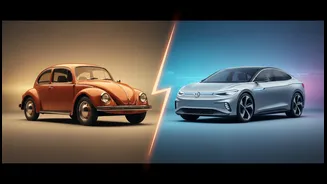
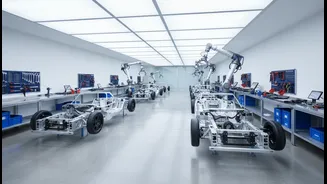
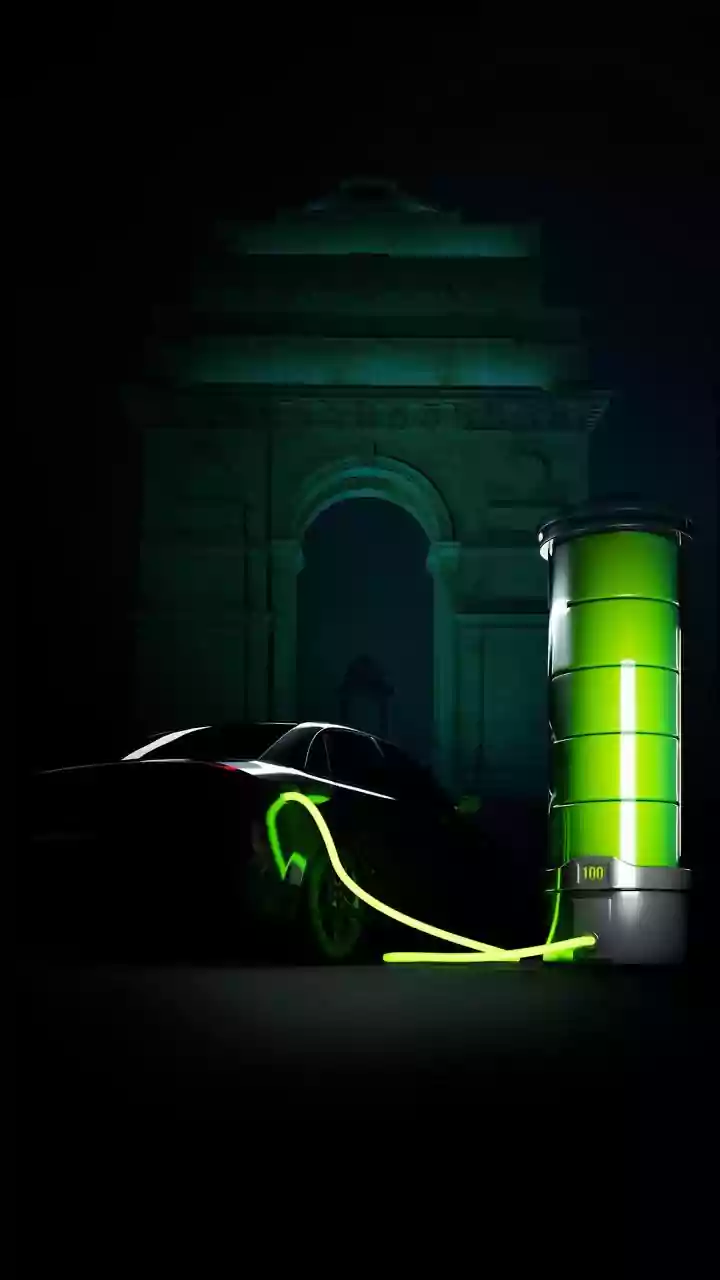
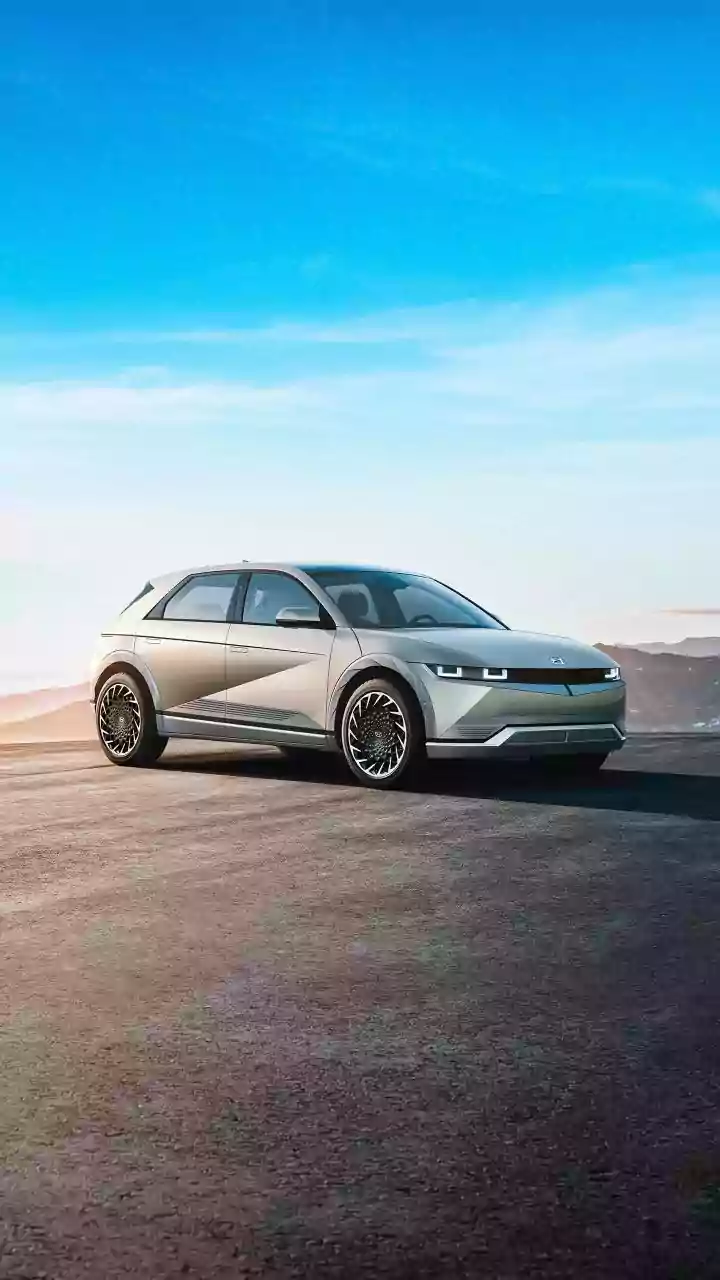
A major catalyst for this consolidation is the colossal cost of transitioning to electric vehicles (EVs). Developing new battery technologies, software, and dedicated EV platforms like the Modular Electric Drive Toolkit (MEB) requires immense capital. Volkswagen has committed billions to this shift, aiming for EVs to comprise a majority of its sales in Europe and North America by 2030. However, EVs currently have lower profit margins. To fund this future, VW is cutting less profitable internal combustion engine (ICE) models. The move frees up not just money, but also factory space and engineering resources needed for the coming wave of ID. electric models. This strategy is a gamble that today's painful cuts will secure tomorrow's leadership in the EV space.
A New, Leaner Volkswagen
The strategy, dubbed “ACCELERATE FORWARD | Road to 6.5,” aims to achieve a sustainable 6.5% return on sales for the VW brand, a target that has proven difficult to reach. The brand's leadership has been frank, with CEO Thomas Schäfer stating, “We cannot and should not be satisfied with our current profitability.” This new focus on a leaner portfolio is a direct response to a challenging global market, including a significant sales drop in China, which has historically been a major profit center. By reducing complexity and focusing on what sells best, Volkswagen is betting it can navigate increasing competition, geopolitical tensions, and the high costs of innovation, even if it means saying goodbye to cars that helped build its brand.