




A Two-Pronged Strategy for Tourism
Indian Railways is revitalizing domestic tourism through a combination of high-speed connectivity and curated travel experiences. On one hand, the rapid expansion of the Vande Bharat Express network is slashing travel times to major tourist hubs. By August
2026, the network had grown to 82 operational routes, connecting major pilgrimage and heritage destinations with modern, comfortable, and fast services. On the other hand, the introduction of theme-based tourist trains like the Bharat Gaurav series offers all-inclusive, curated journeys that focus on specific cultural or religious circuits. This dual approach caters to both independent travellers seeking speed and convenience and those desiring a guided, immersive experience.
Connecting Pilgrims and History Buffs
A key focus of this railway expansion has been on improving access to pilgrimage corridors and historical sites. The Vande Bharat Express now serves a host of important spiritual centres, including Varanasi, Ayodhya, Puri, Tirupati, and Shirdi, making spiritual journeys quicker and more comfortable for millions. Similarly, new routes are directly connecting travellers to UNESCO World Heritage Sites. For instance, the Banaras-Khajuraho Vande Bharat provides easy access to the famous temple complexes, while the Delhi-Agra service conveniently links visitors to the Taj Mahal and Agra Fort. Other services facilitate trips to the monuments at Mahabalipuram and the Hoysala temples at Belur and Halebidu.
Themed Journeys into India's Soul
Beyond simply providing transport, Indian Railways is now crafting experiences. The Bharat Gaurav Tourist Trains are a prime example, designed to showcase India's heritage under the 'Dekho Apna Desh' initiative. These trains operate on special circuits, such as the Shri Ramayana Yatra, which covers key locations from the epic, including Ayodhya, Janakpur in Nepal, and Rameshwaram. Other popular themed tours include the Guru Kripa Yatra for Sikh pilgrimage sites, the Dakshin Bharat Yatra covering South India's temple towns, and journeys focused on the life of Dr. B.R. Ambedkar. These all-inclusive packages often cover accommodation, meals, and guided sightseeing, simplifying travel planning.
Beyond the Golden Triangle
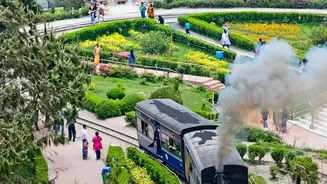
For decades, Indian tourism for many has revolved around the Golden Triangle of Delhi, Agra, and Jaipur. The new rail initiatives are actively working to broaden this map. Services to Katra are improving access to Vaishno Devi, while the New Jalpaiguri-Kamakhya line is a gateway to the Northeast. Even the iconic Darjeeling Himalayan Railway, a UNESCO World Heritage site itself, is seeing renewed focus with station recreations and additional services to handle record tourist footfall. These connections are not just about convenience; they are about distributing tourist traffic more evenly across the country and unlocking the potential of lesser-known regions.
Economic Revival and Cultural Preservation
The impact of enhanced rail access extends far beyond the travellers themselves. It's a significant economic driver for local communities. Increased tourist footfall supports jobs in hospitality, transport, and for tour guides. Initiatives like the 'One Station One Product' scheme provide a platform for local artisans to sell their crafts directly to a new market of travellers, helping to preserve traditional skills. By bringing more visitors to heritage sites, the railways also increase awareness and create a stronger case for the preservation and upkeep of these invaluable cultural assets, ensuring they survive for future generations to appreciate.