







A City Turned into an Open-Air Museum
The single biggest draw for any visitor is the pandal-hopping experience. Forget simple marquees; these are elaborate, temporary architectural marvels built around specific themes. Kolkata boasts thousands of these pandals, each competing in creativity
and craftsmanship. One neighbourhood might erect a stunning replica of a historical temple, while another uses modern technology and social commentary to tell a story. The idols of Goddess Durga herself are masterpieces, sculpted by artisans in areas like Kumartuli, where the craft has been passed down for generations. This transformation turns the entire city into a walk-through gallery where devotion meets public art, a cultural phenomenon so unique it is recognised by UNESCO as an Intangible Cultural Heritage of Humanity.
A Feast for Every Sense
Durga Puja is a multi-sensory overload in the best possible way. The air is thick with the rhythmic, energetic beats of the 'dhak' (traditional drums), a sound synonymous with the festival's spirit. Streets that are normally quiet come alive with elaborate light installations, turning night into a fairy-tale landscape. And then there's the food. Kolkata's reputation as a culinary hotspot goes into overdrive. Roadside stalls and established restaurants operate through the night, serving everything from iconic kathi rolls and biryani to spicy phuchka and a dizzying array of Bengali sweets (mishti). Even the pandals offer 'bhog' – a blessed food offering, usually a simple but delicious khichuri, served to all visitors, breaking down social barriers.
The Unmatched Spirit of Community
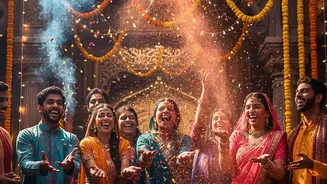
Beyond the art and food, what truly captivates travellers is the atmosphere. Durga Puja is not just a religious event; it's a grand social celebration. It signifies a 'home-coming', a time for reunions with family and friends. This spirit of togetherness extends to visitors, with an infectious energy and warmth that is palpable everywhere. The divides of class and community seem to dissolve as millions of people throng the streets together, united in their appreciation and celebration. Whether it's the friendly chaos of pandal-hopping crowds or the more intimate, traditional pujas held in the city's old aristocratic homes ('Bonedi Bari'), there is a powerful sense of shared joy.
A Grand Finale of Emotion and Spectacle
The festival culminates on Vijaya Dashami, the tenth day, with a spectacle of profound emotion. This is the day of 'Bhasan' or immersion. The beautiful idols that were the centrepiece of life for days are taken in grand processions to the river ghats, accompanied by music and dancing. The ritual farewell to the Goddess is both joyous and melancholic, with chants of 'Asche bochor abar hobe' ('It will happen again next year') echoing through the crowds. It features 'Sindoor Khela', where married women smear vermilion on each other, wishing for a happy married life, before the idols are immersed, signifying the Goddess's return to her celestial home. The event is a powerful closing chapter to the festivities, a mix of street party and heartfelt goodbye.