
A Shared Heritage of Grains
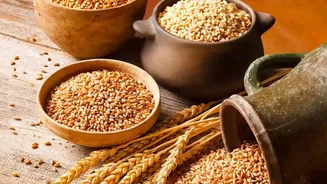
At first glance, India and Ethiopia might seem worlds apart, but their culinary hearts beat to a similar rhythm—a rhythm set by the humble grain. Both cultures have a deep-rooted history of transforming grains into comforting staples, from India's vast
array of rotis and dosas to Ethiopia's iconic injera flatbread. This shared foundation makes exploring Ethiopian grains less of a leap and more of a natural, delicious progression for the Indian home cook. Grains like millet and sorghum are common to both regions, but it’s in the unique varieties and preparations that the magic happens, offering a chance to reinvent familiar dishes.
Meet Teff: The Tiny Grain with Big Potential
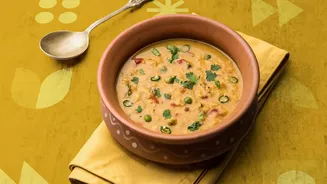
Teff is the star of Ethiopian cuisine, a tiny grain, smaller than a poppy seed, with a mild, nutty flavour. Though famously used to make the spongy, fermented flatbread injera, its potential in the Indian kitchen is immense. Teff flour, which has a slightly sweet, almost chocolatey note, can be blended with your regular atta to create softer, more flavourful rotis. Being naturally gluten-free and packed with protein, iron, and calcium, it’s a nutritional powerhouse. Try swapping a quarter of the besan in your next chilla recipe with teff flour for a heartier texture and earthier taste. You can also cook whole teff into a creamy porridge, similar to dalia, but with a unique, almost creamy consistency.
Sorghum: A Familiar Friend with a New Twist
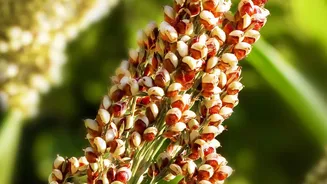
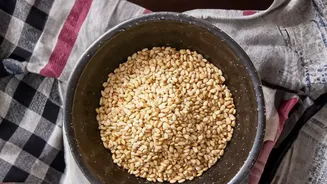
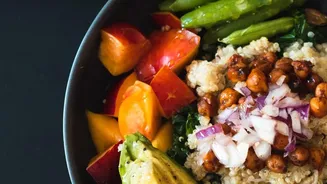
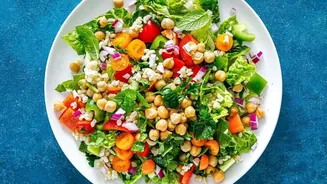
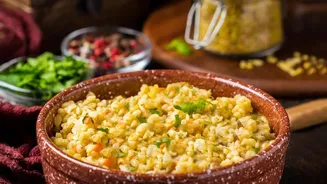
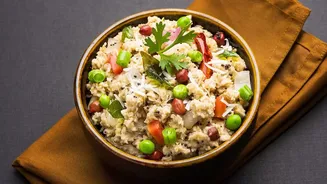
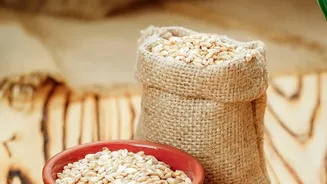
Sorghum, or jowar, is no stranger to most Indian households, especially in the form of jowar bhakri. While India has long embraced its flour, Ethiopian cuisine often utilises the whole grain, known as zengada. This is where the opportunity for textural play comes in. Instead of rice, try making a pulao or khichdi with whole sorghum pearls. The grains retain a satisfying, chewy bite that stands up well to spices and vegetables, offering a delightful contrast to the softer ingredients. A sorghum upma, made with cooked whole grains instead of rava, can transform a breakfast staple into a more robust and fibre-rich meal. This simple switch adds novelty without requiring a completely new recipe.
Embracing Millet in New Ways
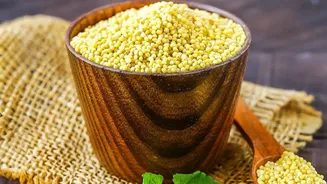
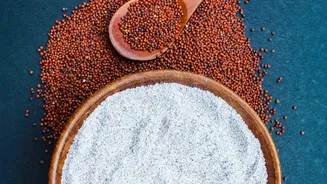
Millets are another bridge connecting the two cuisines. Finger millet, or ragi, is cherished in both South India and Ethiopia for its nutritional benefits. In Ethiopia, millet is often used to make porridge or a stiff dough served with stews. Indian cooks can draw inspiration from this by experimenting with the texture of their ragi preparations. Instead of a thin porridge, try making a thicker ragi 'mudde' and serving it with a flavourful dal or sambar. The mild, earthy flavour of millet makes it incredibly versatile, absorbing the taste of spices beautifully. It’s a quick-cooking grain, making it an excellent, healthy choice for busy weeknight meals.
Getting Started in Your Kitchen
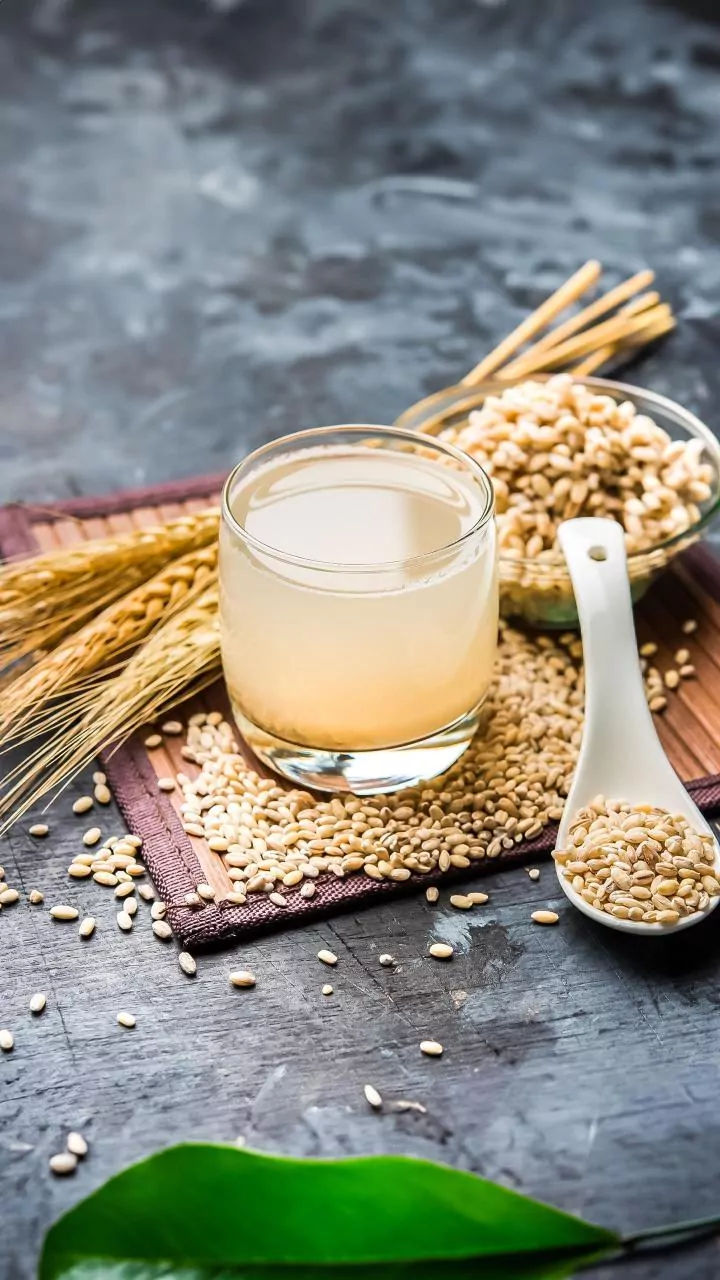
Incorporating these grains is simpler than you might think. Teff and whole sorghum can be readily found online or in specialty food stores. When starting with teff flour, a good rule of thumb is to substitute it for about 25-50% of the regular flour in your recipes to get accustomed to its unique flavour. Whole teff grains don't need rinsing due to their tiny size and can be cooked into a porridge with a 1:3 grain-to-water ratio. Whole sorghum benefits from soaking for a few hours before being cooked, much like whole legumes, which helps soften it for dishes like pulao or upma. Don't be afraid to experiment; start by adding a small amount to a familiar recipe and see how you enjoy the new dimension it brings.