

What Exactly Is Saffron?
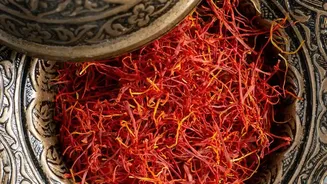
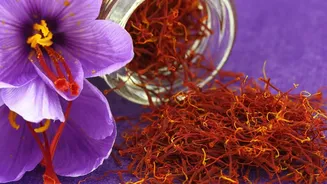
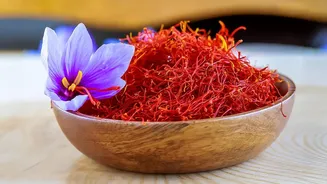
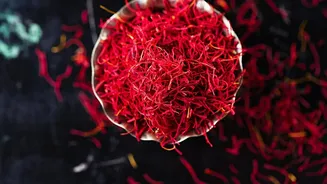
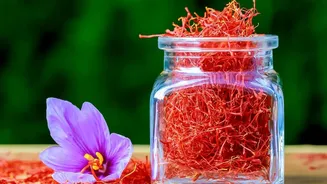
Saffron consists of the vivid crimson stigmas, or threads, from the Crocus sativus flower. Each flower produces only three of these delicate threads, which must be harvested by hand during a short blooming season of just a few weeks each autumn. It can
take up to 75,000 flowers to produce a single pound of dried saffron, which explains why it is the world's most expensive spice. But don't let the price deter you; a tiny amount goes a very long way. Its flavour is complex and unique, often described as subtly earthy and floral, with notes of honey and a slight, pleasant bitterness. This distinctive profile adds warmth and sophistication to both sweet and savoury foods.
Unlock Its Magic: How to Bloom Saffron
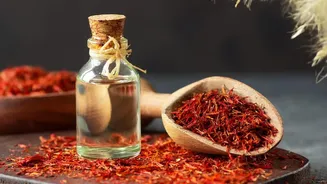
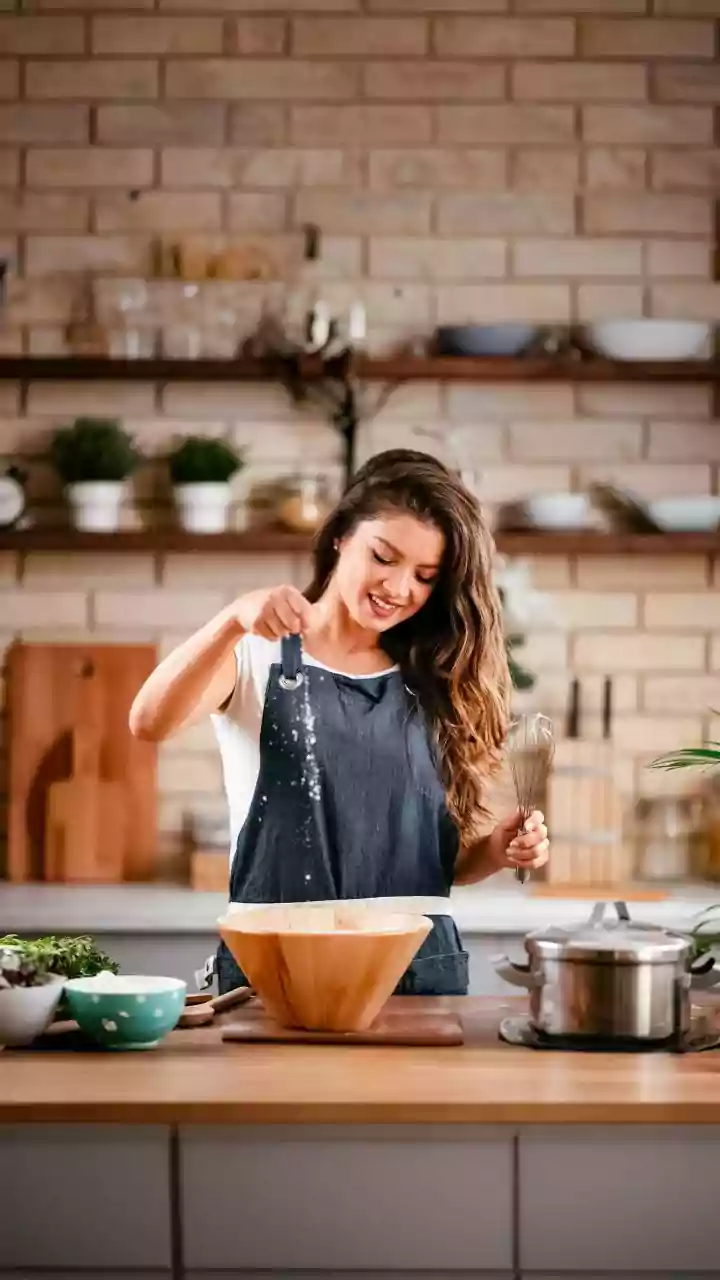
To get the most out of your saffron, you need to 'bloom' it before adding it to your dish. This simple step releases the spice's full flavour, colour, and aroma. First, take a small pinch of saffron threads—about 10 to 15 threads are often enough for a dish serving four people. Gently crush them using a mortar and pestle or simply between your fingers. Then, steep the crushed threads in a few tablespoons of warm (not boiling) liquid for at least 15 to 20 minutes. You can use water, milk, or broth, depending on your recipe. The liquid will turn a beautiful golden-orange colour, and this infused liquid, along with the threads, is what you'll add to your cooking.
Beyond Biryani: Simple Saffron Pairings
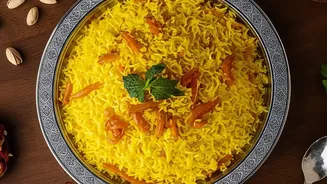
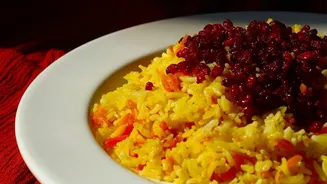
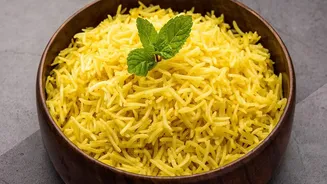
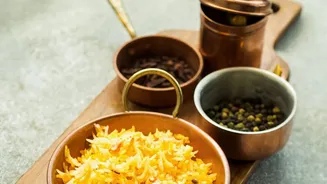
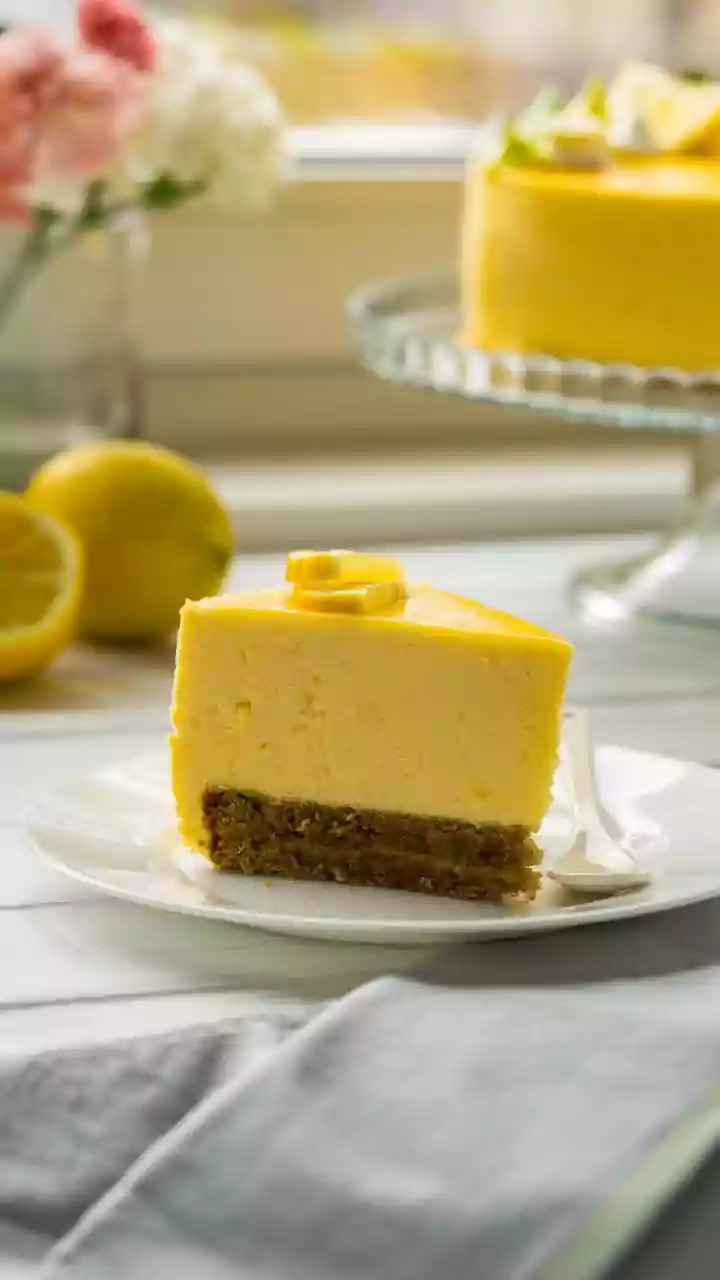
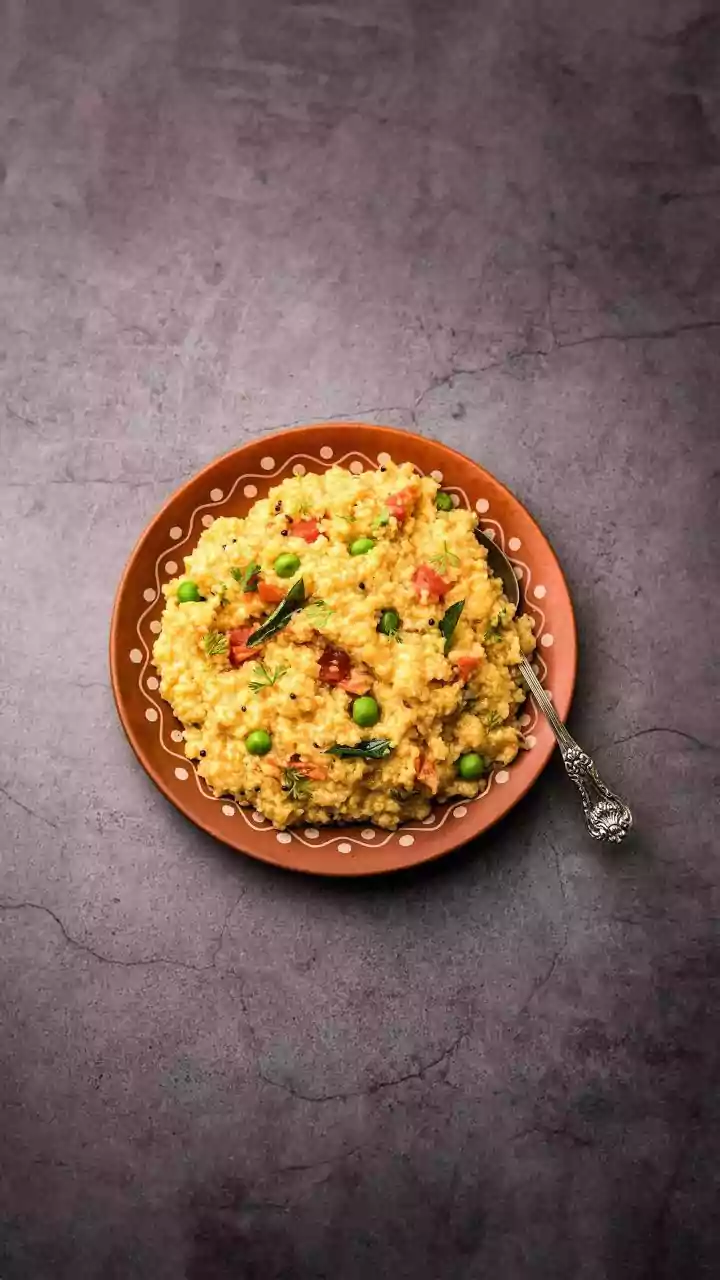
While saffron is a star in festive dishes like biryani and kheer, its gentle flavour is versatile enough for everyday meals. Try adding a pinch of bloomed saffron to your regular pot of basmati rice to turn it into a fragrant and visually appealing side dish. A few threads steeped in warm milk can be added to your morning tea or a simple semolina upma for an aromatic twist. It can elevate a simple lentil dal, adding a layer of subtle complexity. For a refreshing drink, add bloomed saffron to lemonade or a glass of chilled milk. In desserts, it pairs wonderfully with cardamom in dishes like shrikhand or homemade kulfi.
How to Buy and Store for Quality
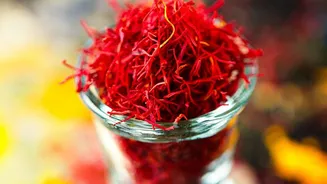
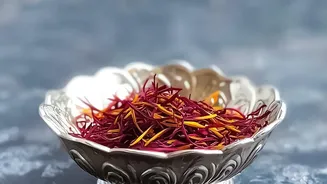
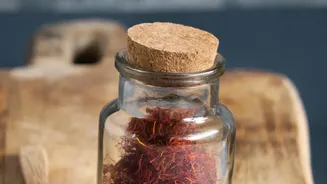
When purchasing saffron, always opt for whole threads over powder. The threads should be a deep, uniform red colour. This variety, often called 'sargol' or 'coupé', indicates the highest quality. Pre-ground saffron can sometimes be adulterated with other spices like turmeric or paprika. Good quality saffron will have a strong floral and hay-like aroma. To maintain its potency, storage is key. Keep your saffron in an airtight container, away from direct sunlight, heat, and moisture. A cool, dark cupboard is the ideal spot. Stored correctly, saffron threads can retain their powerful flavour and aroma for up to two years.