





The Hidden Dangers of Drenching Rains
While rain is essential, the sheer volume during the monsoon can be overwhelming for container plants. Unlike garden beds where water can seep deep into the earth, pots have limited space. When they become saturated, a host of problems arise. The most
common issue is waterlogging, where soil becomes so full of water that there is no space for air. This suffocates the roots, leading to root rot, a condition from which plants rarely recover. Symptoms often include yellowing leaves, wilting even when the soil is wet, and a sour smell from the pot. Furthermore, persistent rain can wash away essential nutrients from the soil, leaving your plants starved. The damp, humid conditions also create a perfect breeding ground for fungal diseases and pests, which thrive in such an environment.
Why Elevation Is Your Best Defence
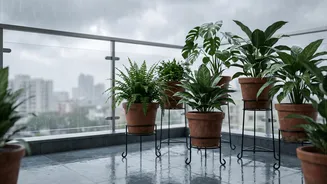
The solution is surprisingly simple and effective: get your pots off the ground. Using raised planters, pot stands, or even simple bricks can make a world of difference. Elevating a pot creates a small gap between its base and the balcony floor. This single change accomplishes several crucial things. Firstly, it ensures that drainage holes are not blocked or sitting flat against a wet surface, allowing excess water to escape freely. Secondly, it improves air circulation all around the pot, which helps the soil dry out more evenly between showers. This simple act of lifting your plants prevents them from sitting in puddles that accumulate on the balcony floor, which is a leading cause of waterlogged roots during heavy rains.
Choosing the Right Pot Stands
When it comes to raising your pots, you have many options. Simple pot feet, which are small supports placed under the container, are a minimalist choice. Metal or wooden stands are widely available and come in various heights and designs to suit your aesthetic. When selecting a stand, consider its stability, especially for taller plants that can be vulnerable to strong monsoon winds. Ensure the material is durable enough to withstand constant exposure to moisture. The goal is to create just enough clearance—even a few centimetres can dramatically improve drainage and protect your plants from the ill effects of waterlogging. For long planter boxes, using multiple supports along the base can ensure even drainage and prevent water from collecting at one end.
Beyond Just Lifting Your Pots
While raising your pots is a game-changer, a few other practices can bolster your monsoon plant care strategy. Start with the right foundation: a well-draining potting mix. Avoid heavy, clay-based soils and instead opt for lighter mixes containing perlite, sand, or cocopeat, which prevent compaction and water retention. Before the monsoon arrives, check that the drainage holes in all your pots are clear of debris. During the rainy season, reduce your manual watering schedule; only water when the top inch or two of soil feels dry to the touch. For particularly delicate plants, consider moving them to a semi-covered area of your balcony to shield them from the most intense downpours.
Plants That Flourish in the Monsoon
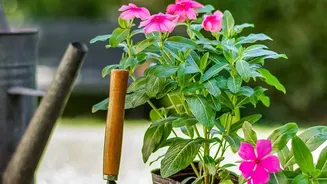
To make your monsoon gardening experience even more rewarding, consider adding a few plants that naturally thrive in high humidity and moist conditions. Hibiscus, with its large, vibrant flowers, loves the rainy season. Fragrant varieties like Jasmine (Mogra) and tuberose fill the air with a delightful scent, especially after a fresh shower. Rain Lilies are another classic, often bursting into bloom right after a downpour. For lush foliage, ferns are an excellent choice as they love the ambient humidity. Other reliable options for an Indian monsoon balcony include Balsam, Periwinkle, and Areca Palms, all of which embrace the season's unique conditions.