
Understanding the Great Potato Divide
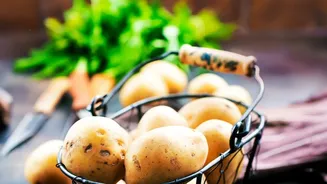
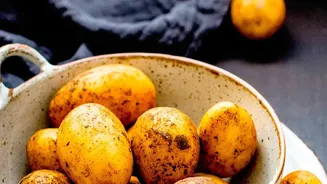
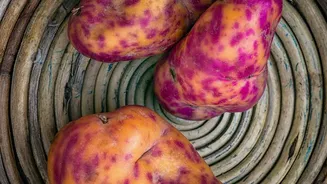
First, a quick primer. Potatoes generally fall into two main categories: starchy and waxy. Starchy potatoes, like Russets, are high in starch and low in moisture. This makes them fluffy and absorbent, ideal for baking, frying, and achieving a light mash.
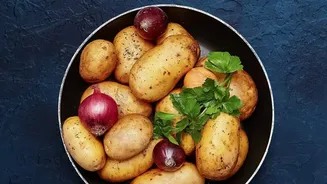
Waxy potatoes, such as red-skinned varieties, have less starch and more moisture, which helps them hold their shape beautifully when boiled, roasted, or sliced into salads and gratins. All-purpose potatoes, like the popular Yukon Gold, sit comfortably in the middle, making them versatile performers. While these characteristics matter, they are not destiny. The right technique can often coax the desired texture out of almost any potato.
The Universal Path to Crispy Potatoes
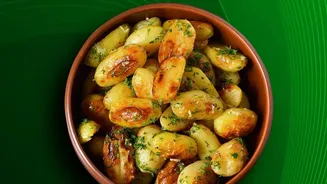
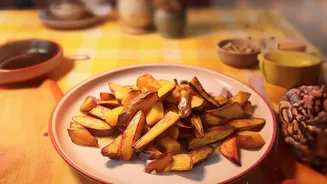
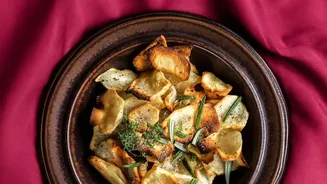
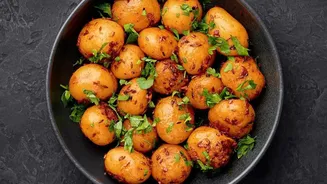
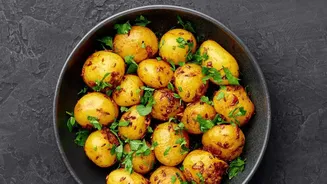
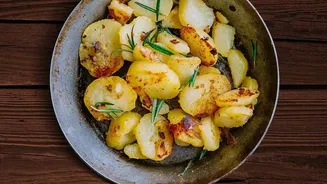
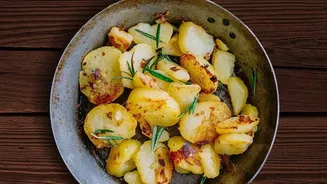
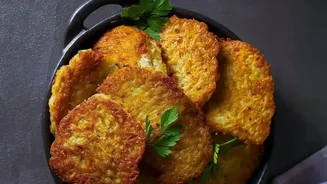
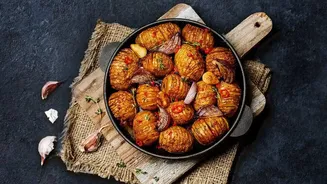
Everyone loves a crispy potato, whether it's a roasted chunk or a classic fry. The enemy of crispiness is moisture, and the hero is starch. A key technique is to parboil the potatoes before roasting or frying. Adding a little baking soda to the boiling water makes it more alkaline, which helps break down the potato's exterior. This roughs up the surface and releases starch, creating a coating that gets incredibly crisp in the oven. After boiling, ensure the potatoes are thoroughly dry. Shake them in a colander to create more craggy edges for extra crunch. Finally, use high heat and give them plenty of space on the baking sheet; overcrowding will steam them instead of crisping them.
For the Creamiest, Fluffiest Mash
The secret to lump-free, fluffy mashed potatoes is controlling starch and moisture. While starchy potatoes like Russets are often recommended for a fluffy texture, even they can become gluey if overworked. The error is often in the method, not the potato. Avoid cutting potatoes too small before boiling, as they can become waterlogged. Starting them in cold, salted water ensures they cook evenly. After cooking, let them steam dry for a moment. Most importantly, never use a blender or food processor, which overworks the starch and creates a gummy paste. A potato ricer or food mill is ideal for a smooth, light texture. Warm your butter and milk before adding them; this helps them absorb better without cooling down the potatoes.
When Potato Variety Is Still King
While technique is a powerful tool, there are times when the inherent nature of the potato variety truly shines and should be respected. For a classic potato salad where you need the cubes to remain firm and distinct, a waxy potato is non-negotiable. Using a starchy Russet would result in a mushy, disintegrating mess. Similarly, for delicate potato gnocchi, a high-starch, low-moisture potato is essential. The floury, dry texture of a starchy potato binds with the flour to create light, pillowy dumplings. A waxy potato would require too much flour to compensate for its high moisture content, leading to dense, heavy gnocchi.