



An Ocean World of Possibilities
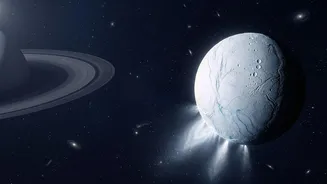
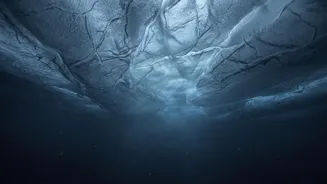
Beneath a thick crust of ice, Enceladus hides a global ocean of liquid saltwater. What makes it so scientifically thrilling are the massive plumes of water vapor and ice grains that erupt from fissures near its south pole, jetting hundreds of kilometres
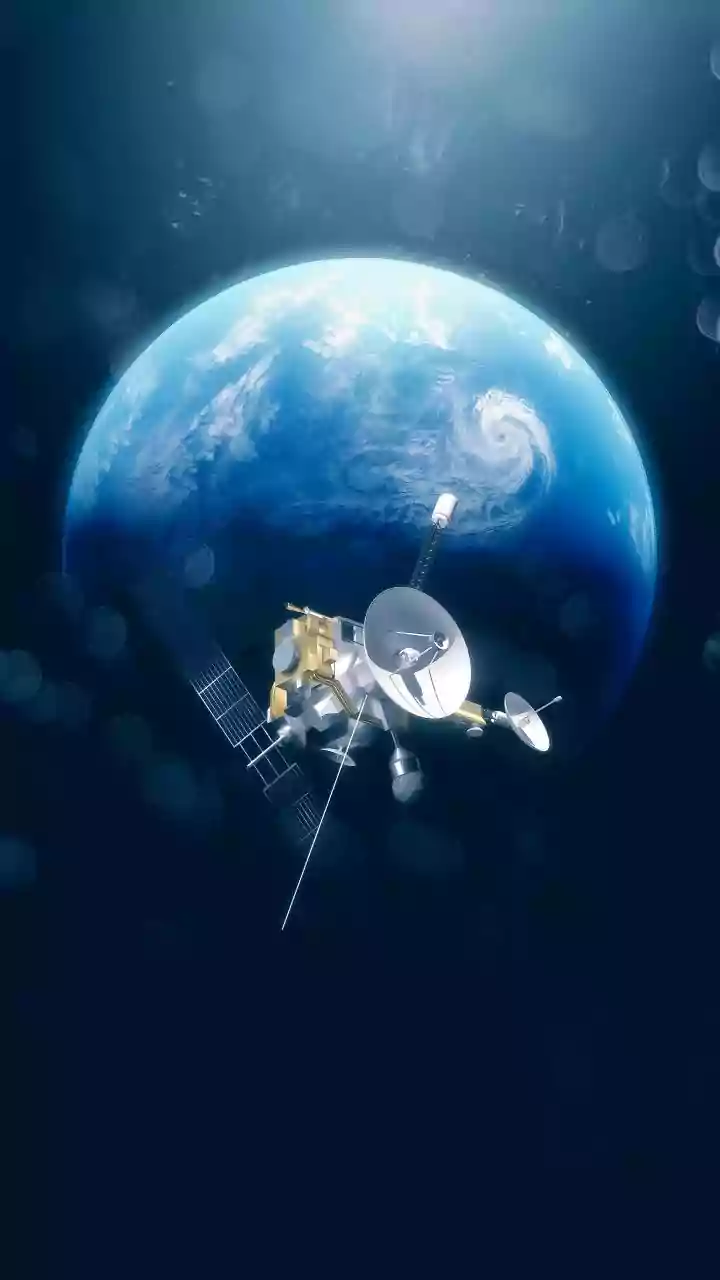
into space. These geysers offer a direct sample of the ocean's chemistry without needing to drill through the ice. Data from NASA’s Cassini spacecraft, which flew through these plumes, has already confirmed the presence of key ingredients for life: water, organic compounds, and a chemical energy source. Discoveries of methane, carbon dioxide, and molecular hydrogen suggested the presence of hydrothermal vents on the ocean floor, similar to those on Earth that teem with life independent of sunlight. The final essential element, phosphorus, was confirmed in the plumes, meaning this small moon appears to have all the necessary components for life as we know it.
Recreating an Alien Sea on Earth
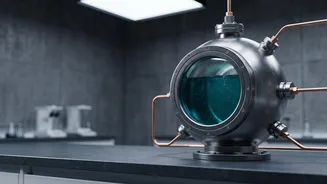
The latest breakthrough comes from two studies published in Science Advances, which put the habitability of Enceladus to the test. A team of scientists meticulously recreated the moon's likely ocean floor conditions in a laboratory. This wasn't just a saltwater solution; it was a complex slurry designed to mimic the highly alkaline, low-oxygen, and carbonate-rich environment, complete with powdered rock to simulate the water-rock interactions at hydrothermal vents. The pH was set as high as 11, a level of alkalinity hostile to most known organisms. Into this alien concoction, researchers introduced a specific type of Earth-based microbe called Methanothermococcus okinawensis. This single-celled organism, a type of archaea, thrives near deep-sea hydrothermal vents on our own planet and does not require oxygen, making it an ideal candidate for this experiment.
Life Finds a Way
To the surprise of the researchers, the microbes didn't just survive; they thrived. The Earthly organisms grew and produced methane, demonstrating that their metabolic process, known as methanogenesis, could function in the harsh, simulated Enceladus ocean. The experiments showed that the chemical reactions between the water and powdered rock produced hydrogen, which the microbes used as fuel. Even more impressively, they adapted to the extremely low levels of available carbon dioxide at such a high pH by leveraging the unusually high concentrations of other dissolved inorganic carbon expected in Enceladus's ocean. While these findings do not prove that life exists on Enceladus, they remove a significant barrier, showing that a known metabolism could plausibly work in this alien environment.
Bolstering the Case for a Return
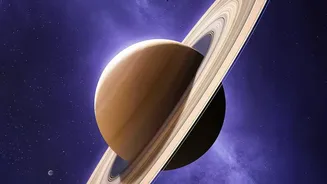
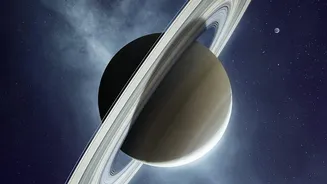
This research provides powerful new motivation for sending a dedicated life-detection mission back to Saturn's moon. Scientists argue that Enceladus is one of the most accessible places to search for life beyond Earth because its plumes deliver ocean samples directly into space. The new findings significantly strengthen the scientific case for proposed missions like the Enceladus Orbilander. This flagship NASA concept would involve a single spacecraft that would first orbit the moon for over a year, repeatedly flying through and analyzing the plumes with advanced instruments, before landing on the surface for a two-year investigation. A related study also found that as the plume water freezes, organic materials could become concentrated in certain ice grains, potentially making biosignatures easier for a future probe to detect. These missions are still in the concept phase, with potential launch dates in the late 2030s, but the accumulating evidence makes the destination increasingly irresistible.