





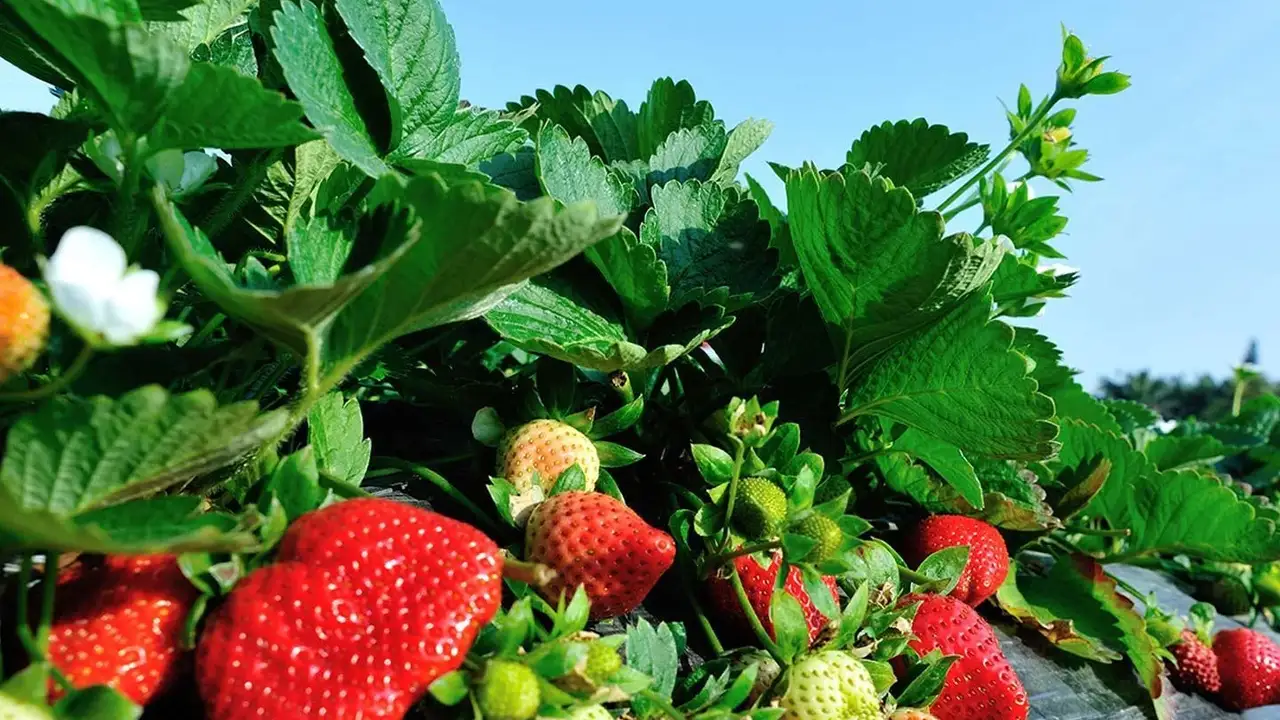
Beyond the Hills of Mahabaleshwar
For decades, the story of Indian strawberries was written in the red soil of Mahabaleshwar. This hill station in Maharashtra produces nearly 85% of the country's entire crop, thanks to its cool climate. This concentration, however, also created a vulnerability.
The fruit's availability was largely seasonal, and farmers across the rest of India found it difficult to cultivate existing varieties, which were not suited to different climates. Most growers have been dependent on imported planting materials, which are expensive and not always optimised for local Indian conditions. This set the stage for a major push towards agricultural self-reliance, with a focus on developing homegrown varieties that can thrive beyond traditional belts.
Breeding a More Resilient Berry
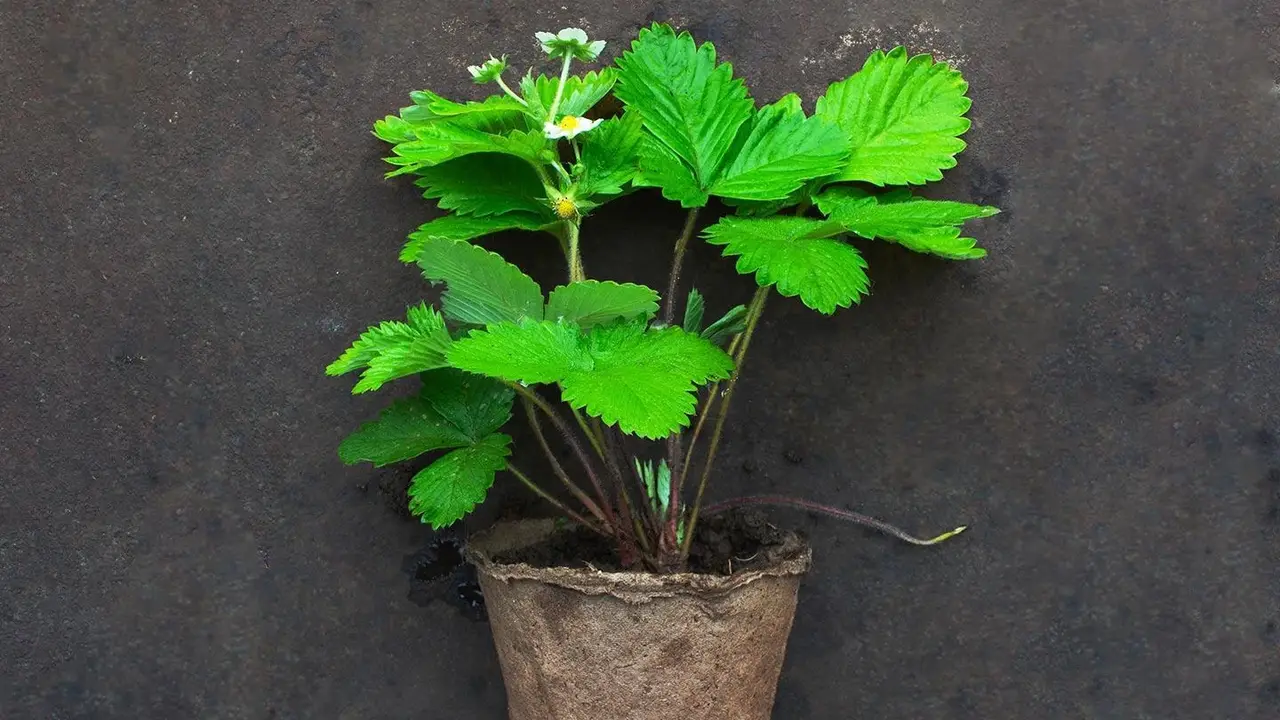
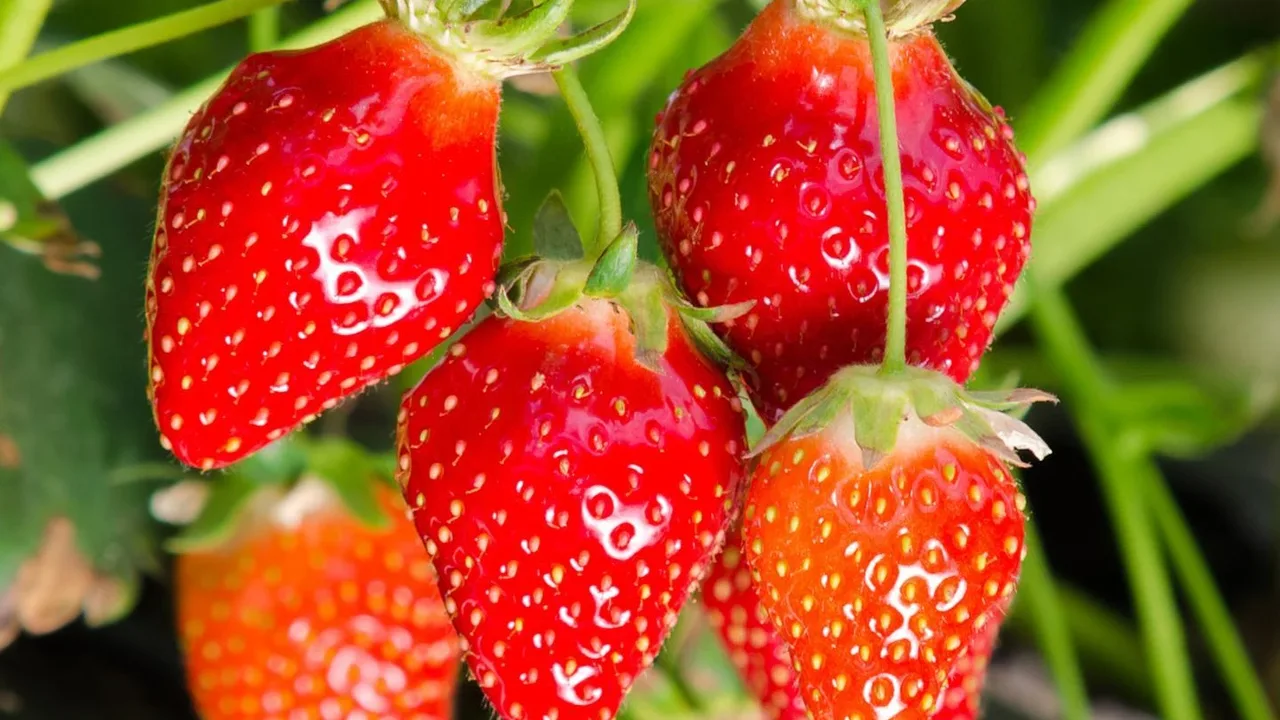
Indian agricultural scientists are now at the forefront of developing new, indigenous strawberry varieties. A primary goal is creating climate-resilient plants that can withstand higher temperatures and variable weather patterns. Research institutions like the Bihar Agricultural University have been evaluating numerous varieties to identify those best suited for local conditions, finding success with cultivars like 'Winter Dawn', 'Sweet Charlie', and 'Chandler'. These efforts are not just about survival; they aim to produce fruit with a longer shelf-life, better disease resistance, and improved nutritional profiles. By reducing dependence on imported plants, these initiatives seek to provide Indian farmers with more affordable, reliable, and productive options tailored to their specific regions.
What's in It for the Farmer?
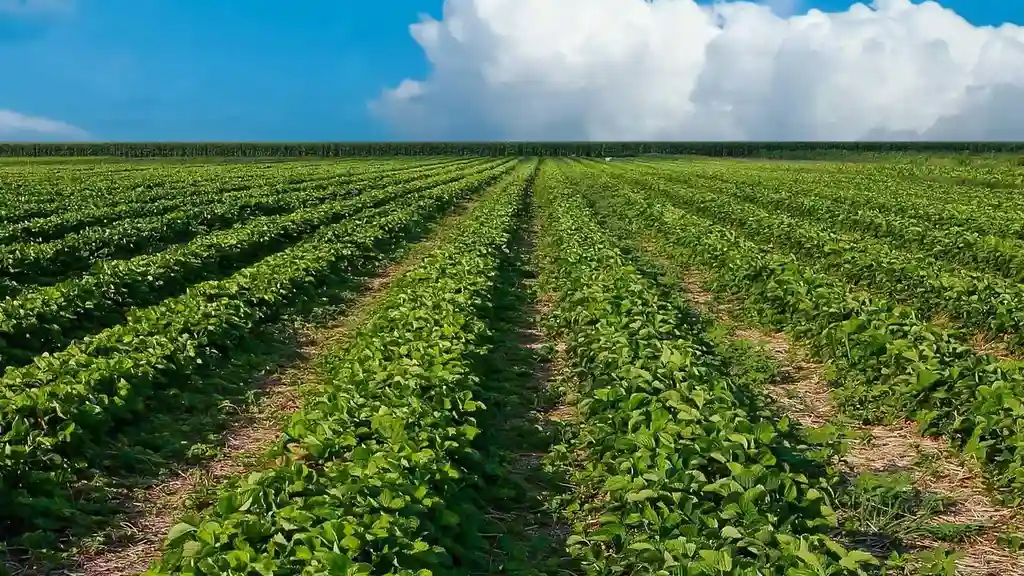
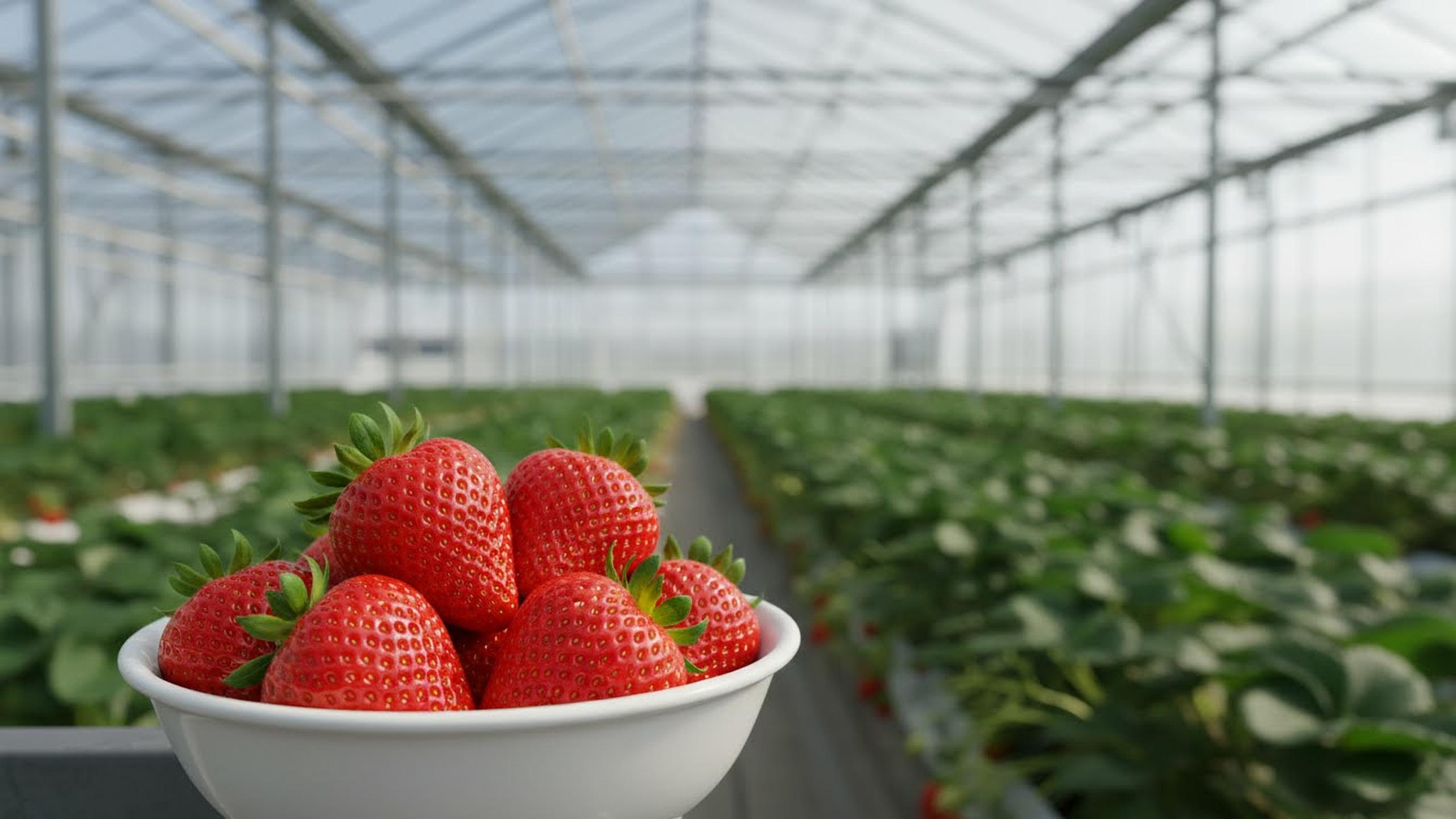
The development of new strawberry varieties offers a significant economic opportunity for India's farmers. With heat-tolerant and robust plants, cultivation is expanding into non-traditional areas, including the plains and subtropical regions of states like Bihar and Rajasthan. This geographical expansion allows more farmers to adopt strawberry cultivation, which is a high-value cash crop. Varieties like 'Winter Dawn' have proven particularly effective in subtropical climates, ensuring consistent yields. This means a more stable income, reduced risk from crop failure, and the potential for higher profits. Furthermore, some research projects are actively training farmers in scientific cultivation techniques, turning them into agri-entrepreneurs and boosting local economies.
A Sweeter Deal for Consumers
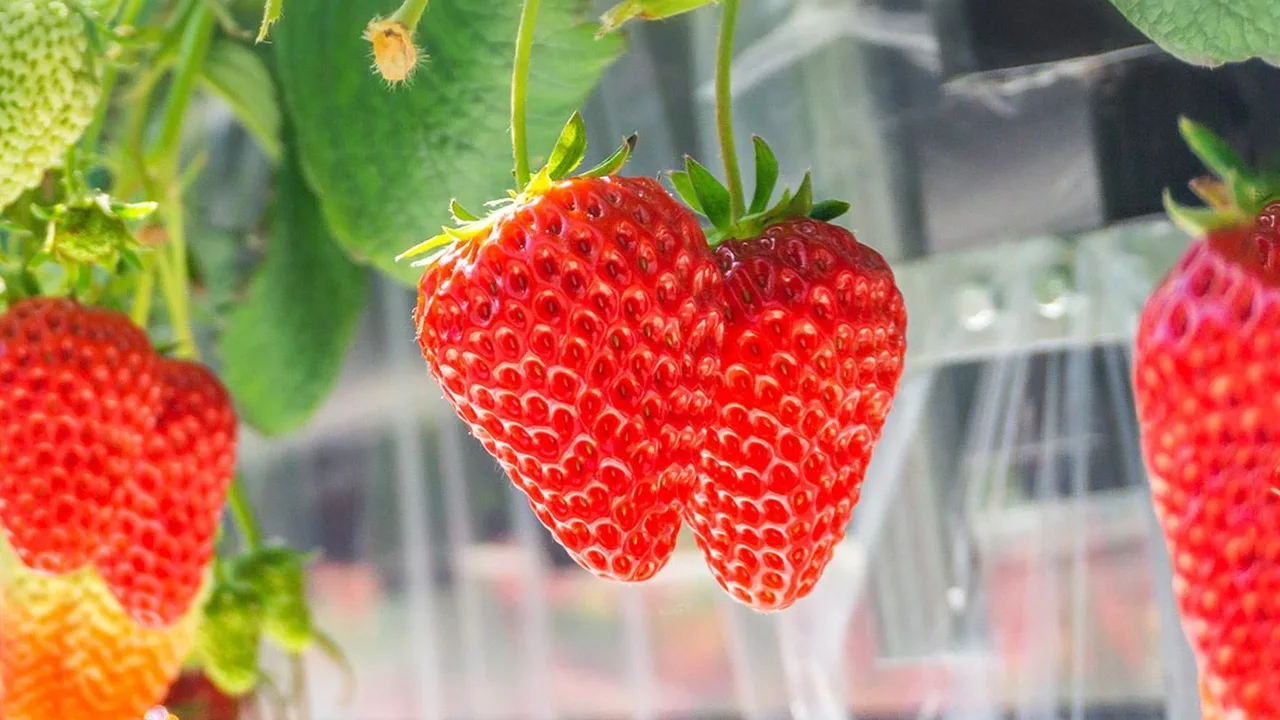
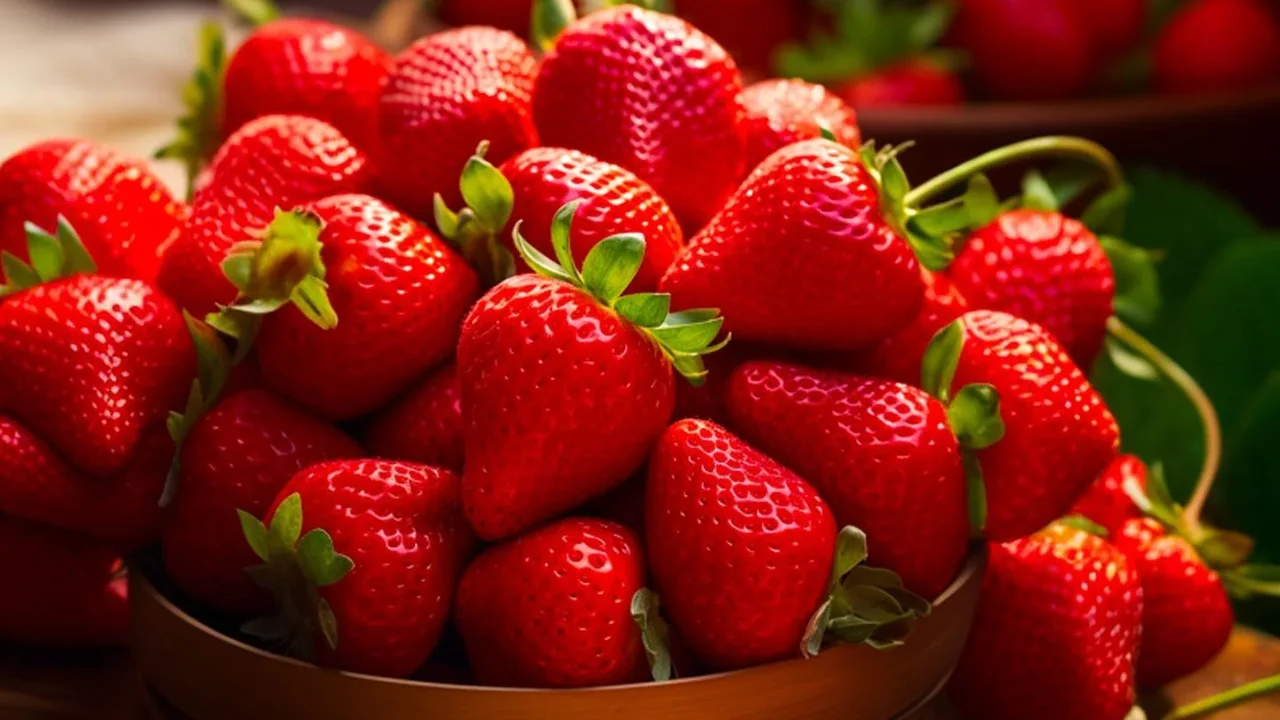
For food lovers, these agricultural advancements are equally exciting. The most immediate change will be wider availability. As cultivation spreads to new states and hardier varieties extend the growing season, strawberries are transitioning from a seasonal luxury to a more accessible fruit. Breeding programs also focus heavily on flavour, texture, and size, meaning consumers can look forward to sweeter, juicier, and more consistently high-quality berries. Increased domestic production and a more efficient supply chain could also lead to more stable and potentially lower prices in the long run. The growing demand for strawberries in desserts, health foods, and beverages is already on the rise, and a more robust local supply will help meet this trend.
The Road Ahead
While the progress is promising, the journey is not without its challenges. Ensuring that new, superior plant varieties reach farmers across the country requires a robust distribution network and effective training on modern cultivation practices. Post-harvest management remains a hurdle, as the fruit is highly perishable and requires efficient cold storage and transport facilities to minimise waste. Moreover, international collaborations, such as partnerships with Italian and Dutch firms, are bringing new genetics and greenhouse technologies into India, which will help accelerate progress but also require investment and adaptation. Successfully navigating these issues will be key to unlocking the full potential of India's burgeoning strawberry industry.