

A Portrait of Stellar Demise
Planetary nebulae are among the most beautiful objects in the cosmos, but their name is a bit of a misnomer—they have nothing to do with planets. Instead, they are the elaborate, glowing shells of gas and dust cast off by stars like our own Sun as they exhaust
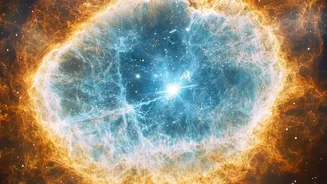
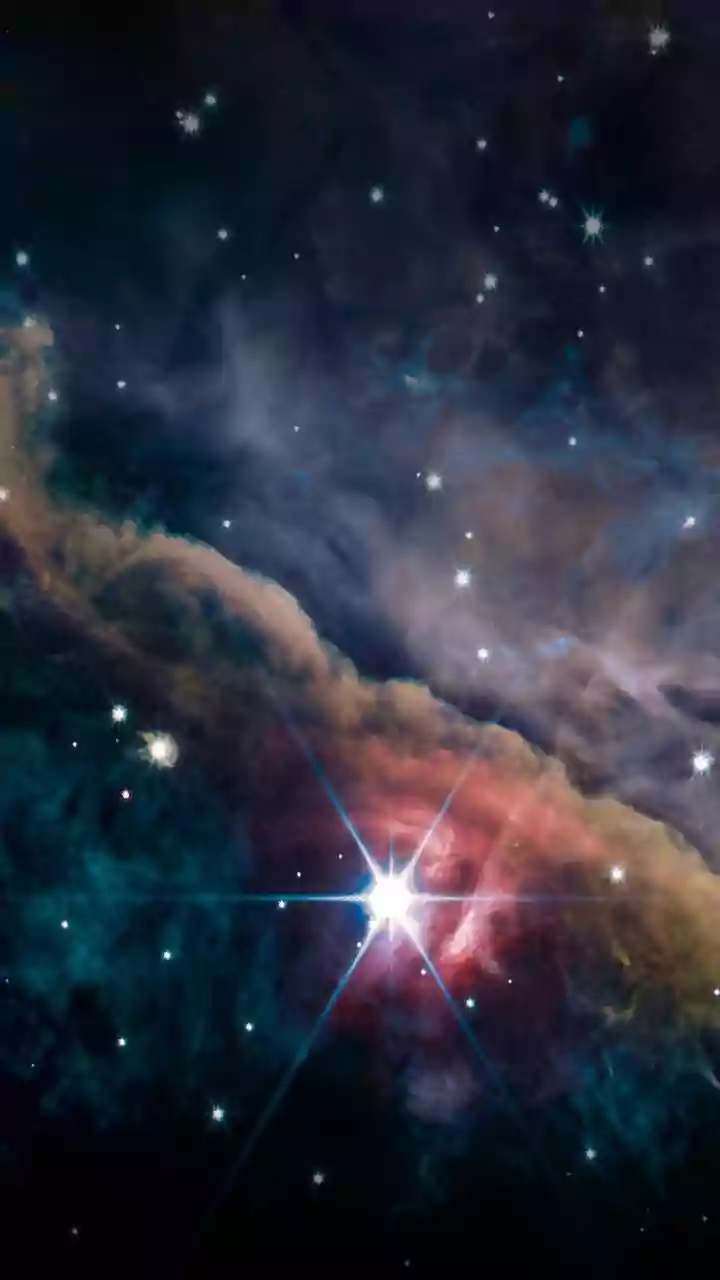
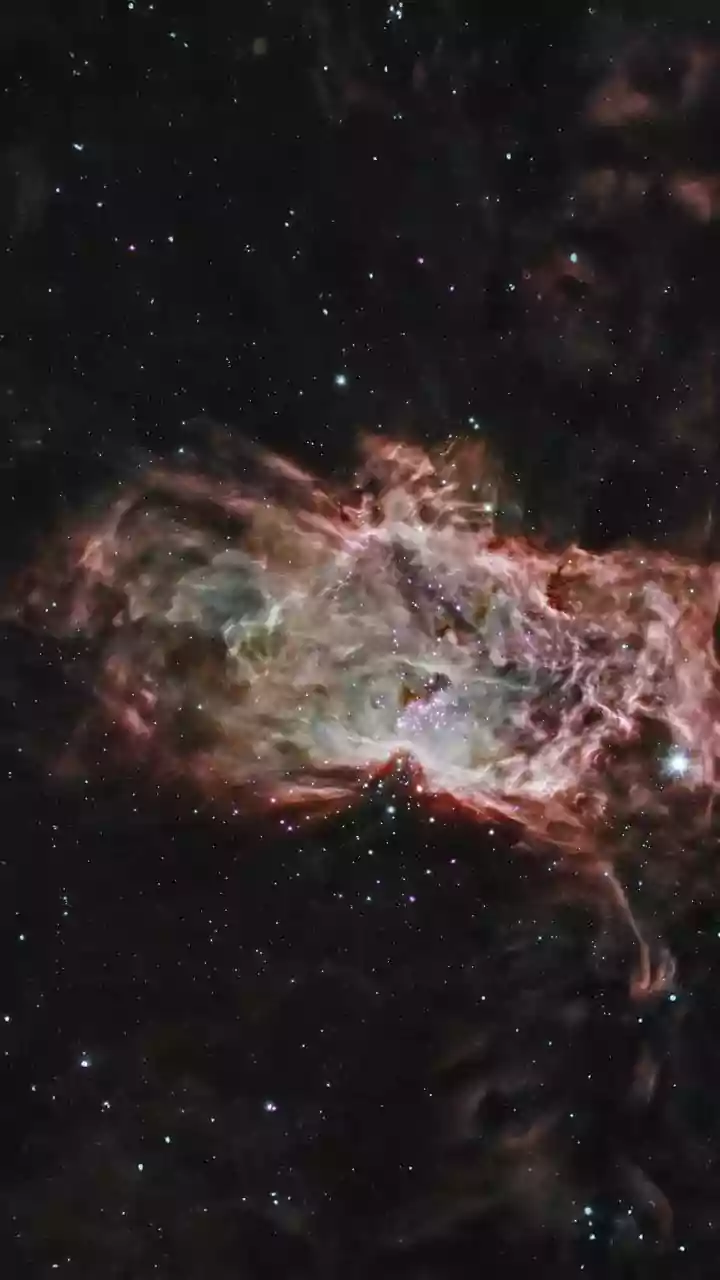
their fuel and die. For thousands of years, these stellar remains expand outwards, creating complex structures that astronomers can study to understand the final chapters of a star's life. The Lion Nebula, also known by its catalog name NGC 2392, is a prime example. While it was previously imaged by the Hubble Space Telescope, Webb's powerful infrared vision cuts through the haze to reveal the intricate physics at play, showing us the lion's face and mane with unparalleled clarity.
Decoding the Dusty Mane
The most striking feature of the nebula is its sprawling, filamentary 'mane'. This isn't just a uniform cloud; it's a complex, clumpy ring of dust and gas that's being intensely irradiated by the hot, dense core the star left behind, known as a white dwarf. Webb's instruments, particularly its Mid-Infrared Instrument (MIRI), excel at detecting the faint heat from these dust structures. The new images show that within the mane are dense knots of material that have so far survived the star's blistering radiation. These clumps act like shields, protecting the dust and gas behind them and creating long, comet-like tails that stream away from the central star. By analyzing this dusty mane, scientists can learn more about the raw materials that future generations of stars and planets will be built from.
Layers of Cosmic History
A star doesn't die all at once. For thousands of years, a star like the one that created the Lion Nebula will pulsate, pushing off its outer atmosphere in successive waves. These waves of material form ghostly, concentric shells that drift outward into space. Webb's incredible sensitivity allows it to see these faint, expanding layers that might otherwise be invisible. Each layer is a historical record, a snapshot of a mass-loss event from the star's past. In the case of the Lion Nebula, Webb's image reveals the cavernous shells and rings that make up the lion's 'face,' a bubble of superheated gas that is expanding and violently interacting with the surrounding dust. Studying these layers helps astronomers build a timeline of the star's death, revealing how its final moments unfolded over millennia.
More Than Just a Pretty Picture
While visually stunning, these observations are crucial for refining our scientific models. They provide a real-world laboratory for testing theories about how Sun-like stars evolve and die. The detailed structures of the gas and dust in the Lion Nebula help astronomers understand how stellar winds and radiation sculpt these objects. The data from Webb's NIRCam (Near-Infrared Camera) and MIRI instruments provide complementary information on the temperature, density, and chemical composition of the different parts of the nebula. This information offers vital clues about the lifecycle of stars and the recycling of elements in our galaxy. On an astronomical timescale, the Lion Nebula is a fleeting spectacle. Scientists estimate it will completely disperse into its surroundings in about 10,000 years, a mere blink of an eye in cosmic terms.