






A Multi-Layered Security Blanket
With heads of state from an expanded group of BRICS nations expected to attend, security is the top priority. Delhi Lieutenant Governor Taranjit Singh Sandhu has directed all agencies to implement stringent security protocols across key venues and delegate
movement corridors. This involves a coordinated effort between Delhi Police and central government agencies to create a multi-layered security cordon. The plan includes enhanced CCTV surveillance, deployment of specialised security personnel, and real-time monitoring through a dedicated 24x7 command and control centre. The goal is to provide a secure and comfortable environment for all visiting delegates, reflecting India's ethos of 'Atithi Devo Bhava' or 'the guest is equivalent to God'.
Beautification and Civic Overhaul
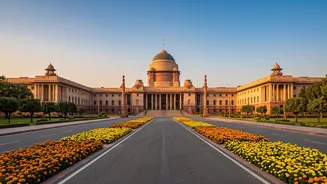
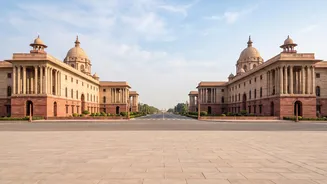
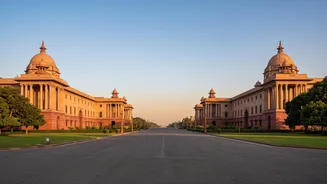
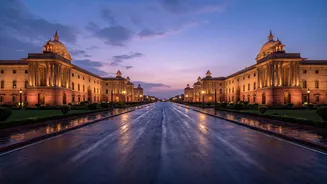
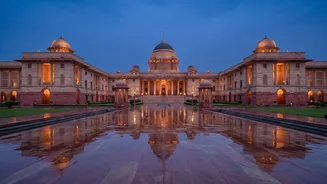
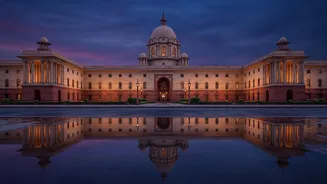
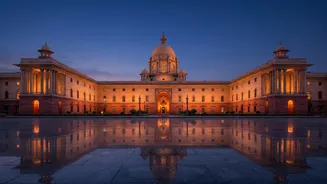
Beyond security, a comprehensive beautification drive aims to present Delhi at its absolute best. The New Delhi Municipal Council (NDMC) and Public Works Department (PWD) are leading the charge. The NDMC has identified 41 major roads, dividing them into 14 circles, each with a dedicated nodal officer to oversee daily upkeep. This includes intensive cleaning operations using mechanical sweepers and round-the-clock sanitation teams. Furthermore, 15 locations have been identified for special floral boards, with nine more getting flower fountains and 17 roundabouts receiving special landscaping and lighting. Learning from past events like the G20 Summit, the focus is on showcasing a clean, green, and aesthetically pleasing capital.
Smoothing the Way for Delegates and Residents
Managing traffic and ensuring smooth movement is a monumental task. Agencies are working to create seamless travel corridors for the delegates, which will inevitably impact public movement. The NDMC is coordinating closely with Delhi Police to manage traffic flow and public spaces effectively. Special drives will be conducted to remove illegally parked vehicles and regulate street vending along important routes. While specific traffic advisories will be issued closer to the summit dates in September, residents can expect diversions and restricted access in and around the New Delhi district, particularly near summit venues like Bharat Mandapam and major hotels. Emergency medical readiness is also a key part of the plan, with ambulances and medical teams to be deployed at strategic locations.
Beyond the Roads: Venues and Public Events
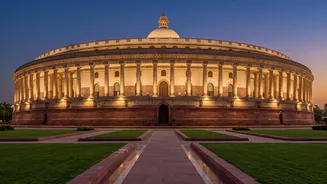
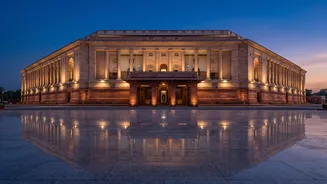
Preparations extend far beyond the main thoroughfares. Key venues, heritage sites likely to be visited by delegates, and hotels are all receiving attention. Civic support arrangements are also being made for a series of public events designed to celebrate the summit, including a BRICS Bazaar, a BRICS Run & Ride, and a Food Festival. These events aim to involve the public and showcase Indian culture. The NDMC is working with Resident Welfare Associations (RWAs) and market traders' associations to encourage their participation in cleanliness and civic management efforts. This holistic approach ensures that every aspect of the city's functioning is aligned to present a unified, welcoming front to the world.