




The Reward of a Slower Pace
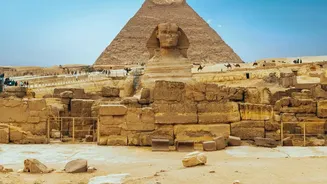
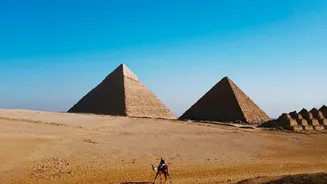
Egypt’s blockbuster sites are essential, but they often come with blockbuster crowds. A travel strategy that intentionally includes lesser-known locations offers a different kind of magic. The reward is space—space to breathe, to look closer, and to feel
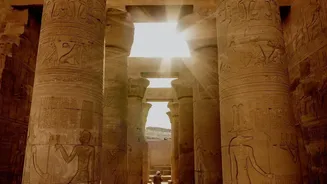
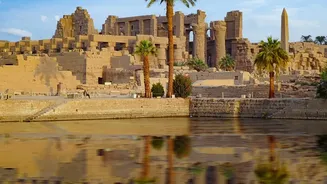
the weight of history without the jostle of a thousand other visitors. At quieter sites, you can spend ten minutes alone with a single carving rather than ten seconds. This approach isn't about skipping the main attractions; it's about enriching them. By pairing the magnificent chaos of Karnak with the tranquility of a remote temple, or the grandeur of the Valley of the Kings with the personal art of a nobleman's tomb, your trip gains texture and depth. You start to see not just the Egypt of pharaohs and gods, but the Egypt of the people who lived, worked, and worshipped in their shadow.
Luxor's Quieter Tombs
The Valley of the Kings is a highlight for most, but the experience can be overwhelming. For a more personal encounter with the afterlife, head to Deir el-Medina, the village where the tomb-builders lived. Here, the tombs belong not to kings but to the artisans who created the royal necropolis. Their final resting places are smaller but feature stunningly preserved paintings depicting vibrant scenes of daily life, something rarely seen in the tombs of pharaohs. Because it is often left off standard tour itineraries, Deir el-Medina offers a peaceful atmosphere. You can study the detailed artwork—a craftsman at his work, a family sharing a meal—in relative solitude, gaining a profound appreciation for the ordinary people of ancient Egypt.
Temples Beyond the Main Circuit
Many visitors to Luxor focus on the magnificent temples of Karnak and Luxor. Yet, a day trip north offers two of the best-preserved temple complexes in all of Egypt: Dendera and Abydos. These sites are often described by seasoned travelers as highlights of their entire trip, partly due to the lack of crowds. The Temple of Hathor at Dendera is famous for its breathtaking astronomical ceiling, its vibrant colours still intact after millennia. Further on, Abydos was one of the most important ancient religious sites, and the Temple of Seti I contains some of the most exquisite and finely carved reliefs in Egypt, including the famous Abydos King List. The journey requires a full day by car from Luxor, but the reward is an almost private viewing of masterpieces that rival the country's most famous monuments.
Finding Calm in Cairo
Cairo is a city of exhilarating chaos, but it also holds pockets of surprising tranquility. After navigating the crowds at the main museum, seek out the Gayer-Anderson Museum. This hidden gem is a beautifully preserved 17th-century house, offering a glimpse into the life of a wealthy Cairene family and an eccentric British major who later lived there. Its rooms are filled with an eclectic collection of art, furniture, and artifacts, connected by courtyards with marble fountains and intricate wooden latticework known as mashrabiyas. Located next to the historic Ibn Tulun Mosque, it’s an escape into a more intimate and atmospheric past, far from the city's tourist hubs. It shows a different side of Cairo’s history, one of domestic life, art, and quiet beauty.
A Different Style of Nile Cruise
The large Nile cruisers are a popular way to travel between Luxor and Aswan, but they follow a set, often crowded, schedule. For a more flexible and peaceful journey, consider a dahabiya. These traditional two-masted sailing boats are smaller, often with just a handful of cabins, allowing for a much more relaxed and personal experience. Their size allows them to dock at small islands and riverside villages that the larger ships cannot access. This opens up opportunities for spontaneous walks, visits to local markets, and access to smaller, overlooked ancient sites along the riverbank. While the larger ships often have to moor several deep at the main docks, a dahabiya can often find a quiet spot to tie up for the night, allowing you to enjoy the serenity of the Nile as it has been experienced for centuries.