



The Rush to the Wild
Domestic tourism in India is booming, and our national parks and wildlife sanctuaries are top destinations. From the tiger reserves of Ranthambore and Corbett to the unique ecosystems of the Western Ghats, Indians are exploring their natural heritage
like never before. This surge in interest is, on the surface, a wonderful thing. It signifies a growing appreciation for the country's incredible biodiversity. The revenue generated from park entry fees and tourism activities can provide vital funds for conservation efforts, paying for anti-poaching patrols and habitat protection. But this boom comes with a significant challenge. The very popularity that could be a lifeline for these fragile places is often creating immense pressure, turning a visit to the wild into a consumption-focused event rather than an experience of connection.
Beyond the Tiger-Sighting Checklist
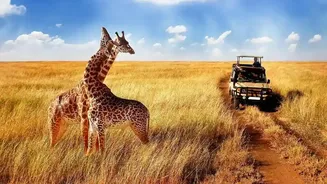
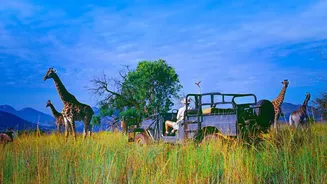
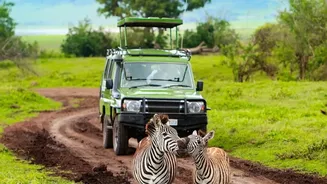
For many, a safari has become a high-stakes hunt for a single animal: the tiger. Tourists, armed with cameras, often board jeeps with a singular goal, creating a 'checklist' mentality. This obsession can lead to damaging behaviour. Safari drivers, motivated by the desire for good tips, may radio other jeeps upon a sighting, causing a convoy of vehicles to hastily converge on the animal. This creates a stressful environment for the wildlife, disrupting their natural behaviour. Visitors, once they've got their photo, can quickly lose interest, talking loudly or snacking, further disturbing the peace of the forest. This approach commodifies nature, reducing a complex, living ecosystem to a backdrop for a few key species. It's a missed opportunity to connect with the thousands of other stories the forest has to tell—of its birds, insects, plants, and the intricate web of life that supports the star attractions.
The Hidden Cost of a Pretty View
When tourism is not managed responsibly, its impact goes beyond stressing out a few animals. Unregulated growth of hotels and resorts around protected areas can lead to habitat degradation and block crucial wildlife corridors. The influx of people can bring with it increased pollution, especially plastic waste, and a strain on local resources like water. There is also a socio-economic cost. When the entire tourism model revolves around guaranteed sightings, it puts immense pressure on local communities and park authorities. It can also alienate local populations who have historically lived in harmony with these forests but may now see limited benefits from a tourism industry that caters to an external, high-impact demand. True sustainable tourism must integrate local communities, making them partners and beneficiaries in conservation.
Becoming a Conscious Traveller
So, what does 'understanding more than the view' actually look like? It begins with a shift in mindset before you even book your trip. Instead of asking “Will I see a tiger?”, try asking “What can I learn about this forest?”. It means choosing tour operators and lodges that have a proven commitment to responsible practices—those that employ local guides, contribute to community projects, and follow strict environmental codes. During your visit, it means embracing the quiet moments. Put the camera down and listen. Ask your guide about the smaller creatures, the names of the trees, and the tracks on the ground. This deeper engagement is often far more rewarding than the fleeting excitement of a crowded sighting. It's about recognising that you are a guest in an animal's home and behaving with the respect that implies.
Your Trip, Their Home
Ultimately, being a responsible visitor is about acknowledging that these protected landscapes are not just recreational areas; they are vital, living ecosystems. They are the last refuges for endangered species and crucial for our own environmental security. When we travel to these places, we have a choice. We can be passive consumers of a view, or we can become active participants in their preservation. By choosing eco-friendly lodges, managing our waste, strictly following park rules, and investing our time and money in experiences that educate and empower, we contribute to a more sustainable future for these national treasures. Engaging with environmental education programs offered by many parks can transform a simple holiday into a meaningful experience.