
Embrace Modification, Not Deprivation
The secret to a satisfying and healthy lunch isn't about eliminating your favourite dishes; it's about reimagining them. Many beloved Indian comfort foods are already packed with nutritious ingredients like lentils, vegetables, and spices. The key is to adjust
the cooking methods and ingredient ratios to lower the calories, unhealthy fats, and refined carbs while boosting the fibre and protein. This approach allows you to enjoy the flavours you love without the guilt, making healthy eating a sustainable and enjoyable habit rather than a temporary restriction.
The Great Paratha Makeover
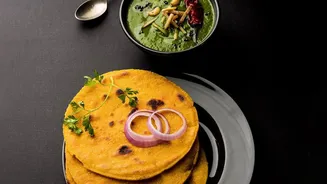
A warm, stuffed paratha is the ultimate comfort food, but it can often be heavy and oily. To give it a healthy makeover, start with the flour. Swap out some or all of the refined maida or wheat flour for a multigrain blend or add flours like ragi and jowar to increase fibre. For the filling, go heavy on vegetables like grated carrot, cabbage, cauliflower, or leafy greens like spinach alongside the traditional potato. When cooking, instead of frying in pools of oil or ghee, lightly roast the paratha on a hot tawa with just a minimal brushing of fat. Serve it with a bowl of low-fat curd instead of butter for a cooling and protein-rich accompaniment.
Pav Bhaji, Packed With Goodness
The classic street-food delight, pav bhaji, can easily become a nutritious powerhouse. The bhaji is a perfect vehicle for sneaking in a wide variety of vegetables. Reduce the amount of potato and load up on nutrient-dense options like carrots, bell peppers, peas, cauliflower, and even beetroot for a natural, rich colour. Some recipes even suggest adding protein-rich soy chunks or lentils. When it's time to eat, choose whole wheat pav instead of the traditional maida version to boost your fibre intake. Serve with a side of fresh salad to help you feel full and add extra nutrients.
Creamy Curries Without the Cream
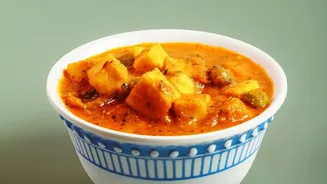
Rich, creamy curries like Dal Makhani or Paneer Butter Masala are often loaded with butter and heavy cream. To create a lighter version that's suitable for a weekday lunch, you can make some simple swaps. Low-fat milk or a spoonful of whisked low-fat yoghurt can be used at the end of cooking to provide creaminess without the excess saturated fat. Soaking and properly cooking the lentils until they are very soft is key to achieving a naturally creamy texture in dals. The slow cooking process helps the lentils break down and create their own richness, reducing the need for added fats.
Build a Balanced Tiffin
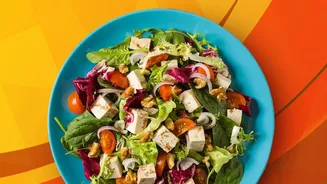
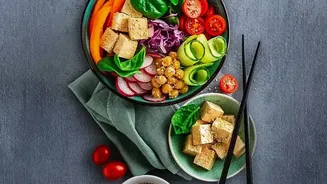
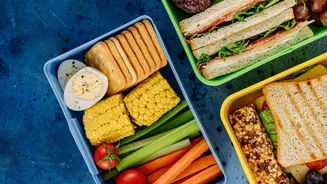
A truly nutritious meal is about balance. Beyond the main dish, think about what else is in your tiffin. A well-rounded lunch should include a source of protein, complex carbohydrates, healthy fats, and fibre. Accompany your main dish with sides that fill these nutritional gaps. A small container of dal, a serving of sprouts salad, or a side of paneer can add a protein boost. A simple kachumber salad (cucumber, tomato, onion) adds fibre and freshness. A small handful of nuts provides healthy fats that will keep you full and focused through the afternoon.
The Power of Portion Control
Even with healthier ingredients, portion size remains crucial. Indian meals are often served in a way that encourages balance, with a thali or tiffin containing small portions of various dishes. Use this principle to your advantage. Pack your lunch in a compartmentalised tiffin box. This not only prevents dishes from mixing but also provides a visual guide for portion control. Filling smaller sections with a sabzi, dal, salad, and a limited amount of roti or rice helps ensure you are eating a varied, but not excessive, amount of food. This mindful approach to packing is as important as the food itself.