




The Core Benefit: No Road Tax or Registration Fees
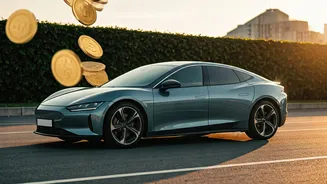
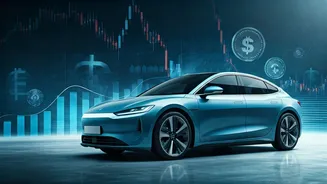
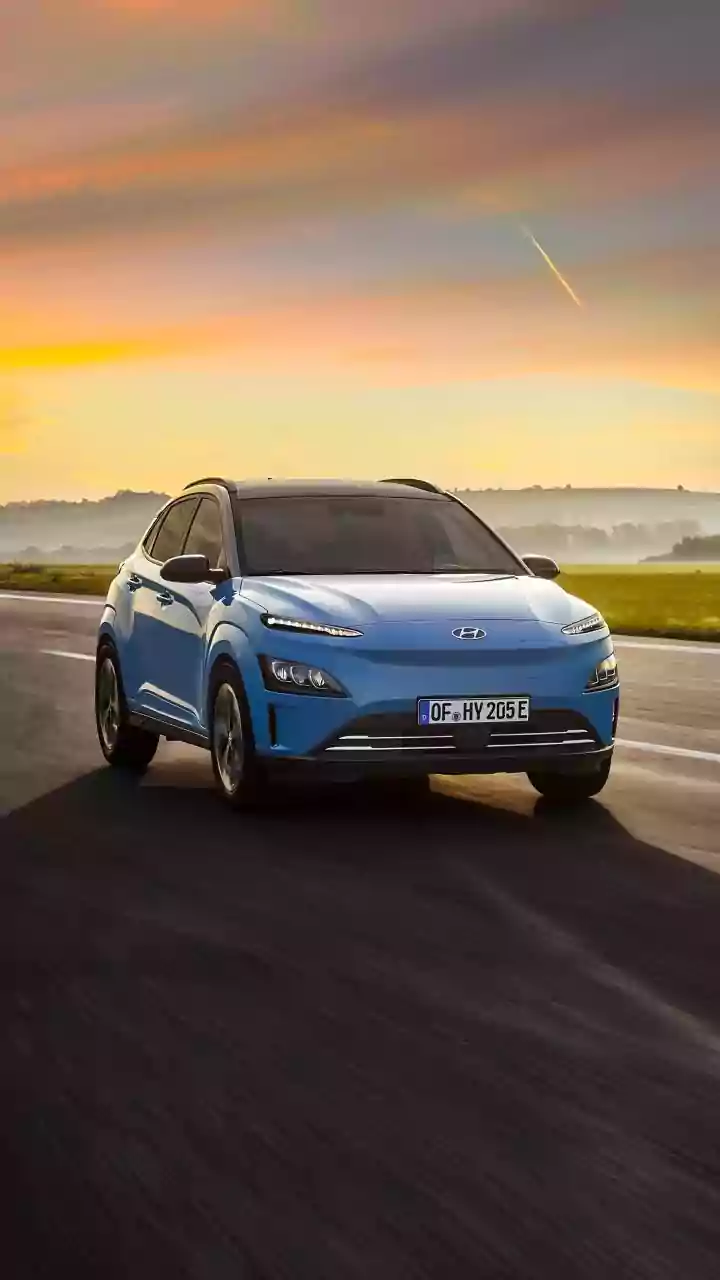
The most significant financial relief for prospective EV buyers in Delhi is the complete waiver on road tax and registration fees. This applies to all-electric two-wheelers, three-wheelers, and four-wheelers. For passenger cars, there's a crucial condition:
the 100% exemption is only for vehicles with an ex-showroom price of up to ₹30 lakh. Any electric car priced above this limit will not be eligible for these tax benefits. This waiver substantially reduces the on-road cost of an EV, making the initial purchase price much more competitive compared to petrol or diesel equivalents. The policy, which came into effect on July 1, 2026, is set to run until March 31, 2030, providing a long-term incentive for residents to switch to cleaner transport.
Upfront Subsidies: More Cash in Your Pocket
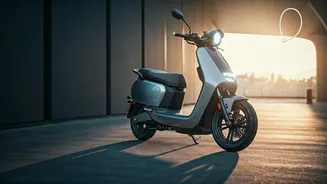
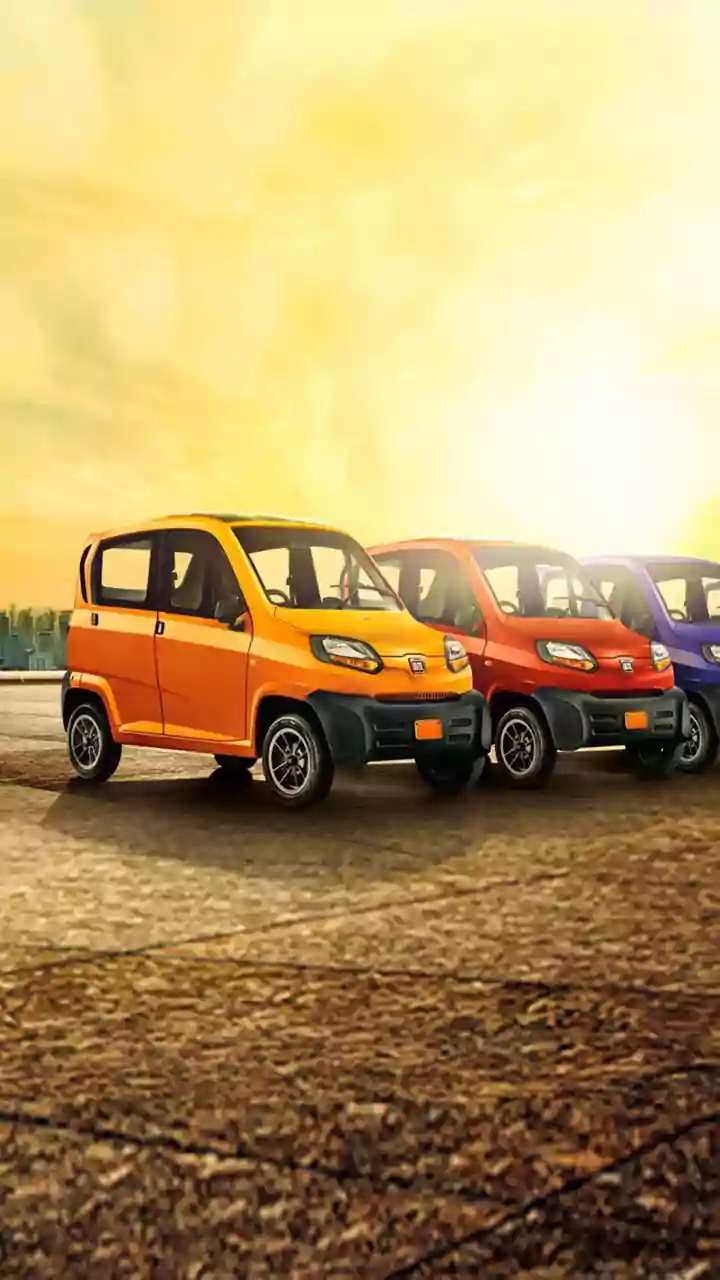
Beyond tax waivers, the policy includes direct purchase subsidies, which are transferred to the buyer's bank account. For electric two-wheelers, buyers can receive a subsidy of up to ₹30,000 in the first year of the policy. This amount is slated to decrease in subsequent years to encourage early adoption. Similarly, buyers of new electric auto-rickshaws are eligible for an incentive of ₹50,000 in the first year. The commercial sector also gets a boost, with N1 category electric goods vehicles (under 3.5 tonnes) qualifying for a purchase incentive of up to ₹1 lakh. These direct benefits make the immediate financial burden of purchasing an EV much lighter.
Scrappage Incentives: Rewarding the Switch
To accelerate the removal of older, more polluting vehicles from the roads, the policy introduces substantial scrappage incentives. Owners of BS-IV or older four-wheelers who scrap their vehicle and purchase a new electric car can receive an incentive of ₹1 lakh. This is in addition to the tax waivers and is designed to encourage a complete transition to electric mobility. Similar scrappage benefits are available for other vehicle categories, including ₹10,000 for two-wheelers and ₹25,000 for three-wheelers. This dual-benefit approach—rewarding the disposal of an old car and the purchase of a new EV—is a cornerstone of the policy's strategy.
The Bigger Picture: A Phased Ban on Petrol Vehicles
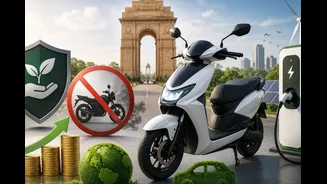
The incentives are part of a more aggressive, long-term strategy to fundamentally change Delhi's vehicle landscape. The policy sets clear deadlines for phasing out the registration of new internal combustion engine (ICE) vehicles in key categories. From January 1, 2027, only electric auto-rickshaws and N1 category commercial trucks will be eligible for new registration. This will be followed by a ban on the registration of new petrol-powered two-wheelers from April 1, 2028. These regulatory sticks, combined with the financial carrots, demonstrate a clear intent to accelerate the city's transition to a fully electric fleet.
Why Is Delhi Doing This?
The primary driver behind this aggressive policy is Delhi's long and arduous battle with air pollution. Vehicular emissions are a major contributor to the city's toxic air, particularly from the vast number of two-wheelers, three-wheelers, and commercial trucks on its roads. By focusing incentives and phase-out plans on these specific segments, the government aims to tackle a huge source of pollution. The policy is not just about individual vehicles; it's a public health initiative designed to make the city more breathable. To support this transition, the government also plans to install over 30,000 new charging points to address 'range anxiety' and make EV ownership more practical for everyone.