






The Myth of the Expensive Diet
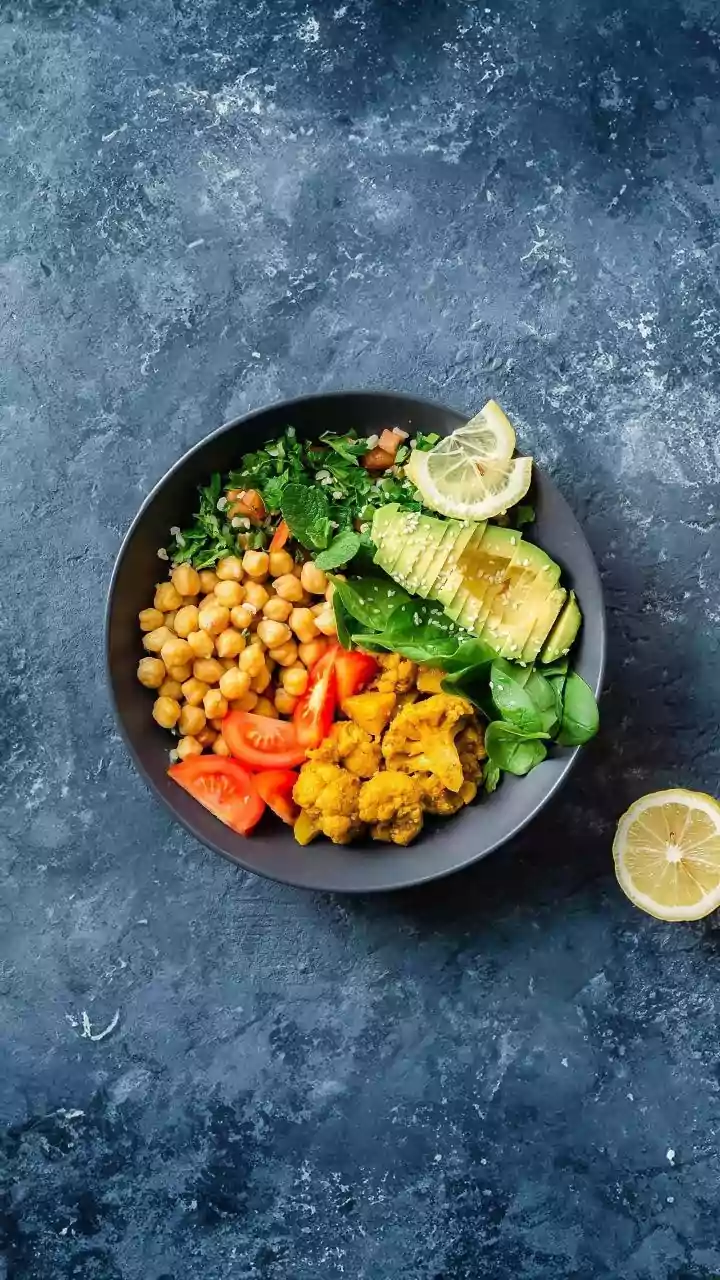
In recent years, the call to eat more plant-based meals has grown louder, celebrated for its benefits to personal health and the environment. Yet, for many, the concept is intimidating, associated with costly ingredients like quinoa, avocados, and kale
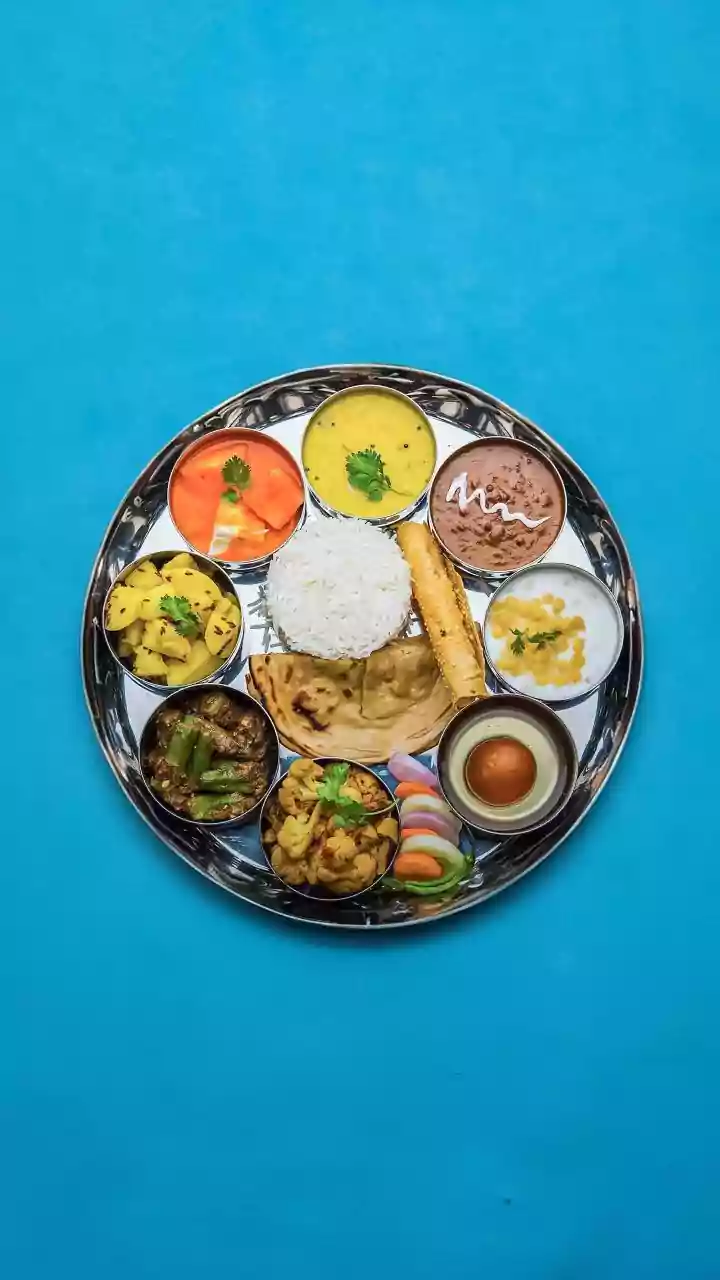
that are not staples of the average Indian pantry. This perception creates a barrier, making a plant-rich lifestyle seem like a luxury. The reality, however, is that Indian cuisine has been inherently plant-forward for centuries. The true foundation of an affordable, plant-rich diet lies not in adopting Western trends, but in embracing the foods we have known and loved for generations. Everyday meals like dal-rice or roti-sabzi are perfect examples of balanced, plant-based nutrition.
Your Pantry's Plant-Powered Staples
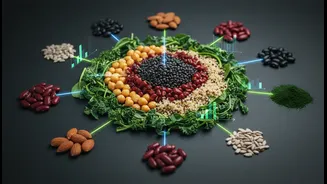
A well-stocked Indian kitchen is already a treasure trove of affordable, nutrient-dense plant foods. Legumes form the very backbone of this culinary tradition. Lentils (dal), chickpeas (chana), and kidney beans (rajma) are inexpensive powerhouses of protein and fibre. These are not niche health foods but everyday staples that provide satiety and sustained energy. Whole grains such as whole wheat for rotis, and various millets like ragi and jowar, offer complex carbohydrates and essential nutrients. When paired together, as in the classic dal and rice combination, they form a complete protein, showcasing the intuitive wisdom of traditional Indian meal structures.
The Magic of Masala and Tadka
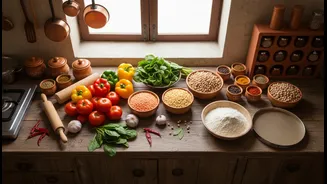
What elevates these simple ingredients from basic to brilliant is the artful use of spices. The genius of Indian cooking lies in its ability to create complex, satisfying flavours from humble, plant-based components. A simple tadka, or tempering, of spices like cumin and mustard seeds in hot oil can transform a plain lentil soup into a culinary delight. Aromatics like ginger, garlic, and onions, combined with a blend of spices like turmeric, coriander, and garam masala, build layers of flavour that make vegetable and legume dishes deeply satisfying. This focus on flavour ensures that a meal doesn't feel like it’s “missing” meat; instead, it celebrates the vegetables and legumes for what they are.
Simple Meals, Big Nutritional Impact
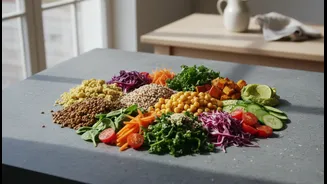
Adopting a more plant-rich diet doesn't require a radical overhaul of your eating habits. It’s about recognising the plant-based meals you probably already enjoy. Rajma chawal, a beloved comfort food, is a perfectly balanced meal of carbohydrates, protein, and fibre. Chana masala with a side of brown rice or roti is another hearty, protein-packed option. Dishes like aloo gobi (potatoes and cauliflower) or baingan bharta (roasted eggplant) showcase how seasonal vegetables can be the star of a meal. Even street foods like poha, idli-sambar, and chana chaat are delicious, plant-based options that are both accessible and affordable. Focusing on these familiar dishes makes the shift feel natural and sustainable.
Smart Habits for Success
To make a plant-rich diet even more affordable and manageable, a little planning goes a long way. Buying local and seasonal vegetables is always more cost-effective and ensures you're getting the freshest, most nutrient-dense produce. Cooking legumes like chickpeas and beans from their dry form instead of buying them canned can save a significant amount of money, though it requires a bit of foresight to soak them overnight. Making larger batches of dals and curries can save time during a busy week; many of these dishes taste even better the next day as the flavours meld together. By embracing these simple strategies, you can fully unlock the affordable potential of a diet centred on the familiar foods of the Indian kitchen.