


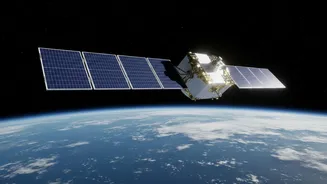
A Global Hub for a Cosmic Problem
Bengaluru recently played host to the second International Conference on Spacecraft Mission Operations (SMOPS-2026), an event that is rapidly becoming a crucial global forum. Organized by the Indian Space Research Organisation (ISRO) in collaboration
with international bodies, the conference’s theme was “Innovative Operations for Smart and Sustainable Space Mission Management.” Far from being a niche academic gathering, SMOPS brought together leading minds from NASA, the European Space Agency (ESA), and other global space players to discuss the future of space operations. At the heart of the conversation was a pressing issue: as we launch more satellites, how do we keep space safe, secure, and sustainable for everyone?
The Growing Threat of Space Junk
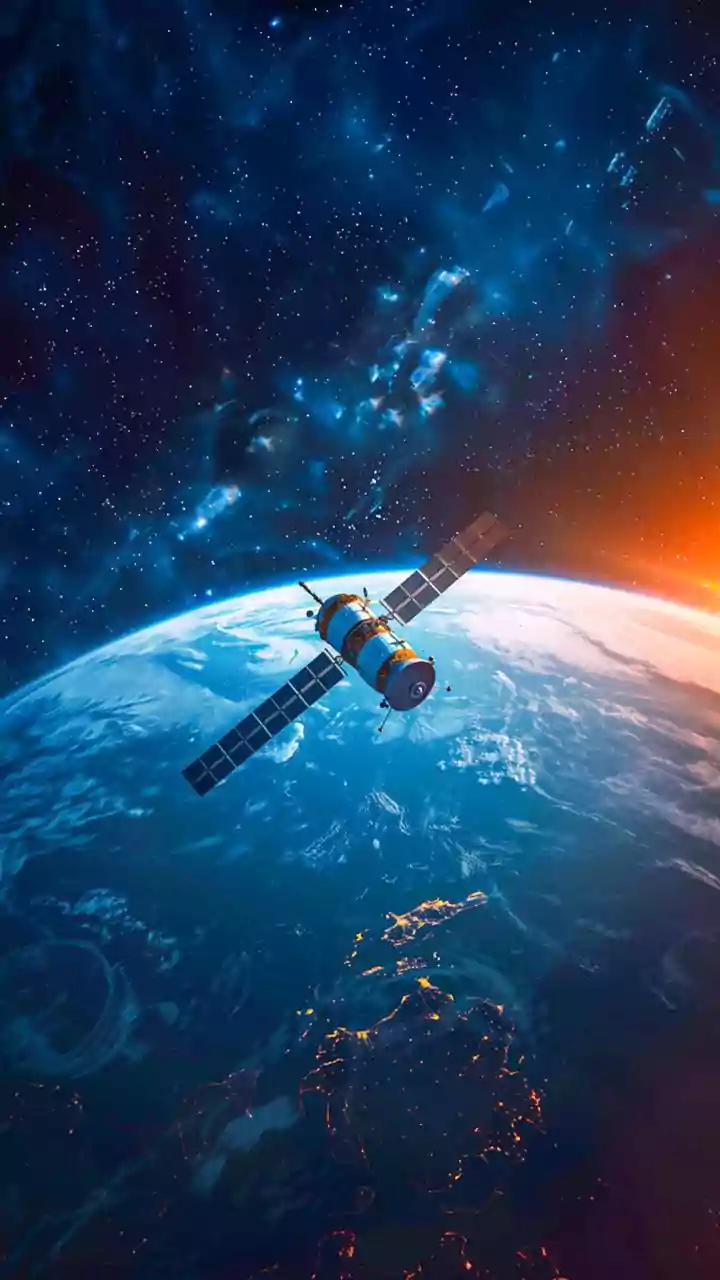
For decades, the final frontier has also been a dumping ground. Defunct satellites, spent rocket stages, and fragments from collisions and weapons tests are accumulating in Earth's orbit. There are millions of pieces of this “space debris,” with many travelling at speeds of up to 28,000 kilometres per hour. At that velocity, even a paint chip can cause catastrophic damage to an operational satellite, threatening everything from GPS navigation to vital climate monitoring and communication systems. Experts warn of a potential chain reaction called the 'Kessler Syndrome,' where collisions create more debris, which in turn leads to more collisions, potentially rendering entire orbits unusable for generations. With the rise of mega-constellations involving thousands of satellites, this threat is no longer theoretical; it's an urgent operational challenge.
India's Blueprint for a Cleaner Orbit
The SMOPS-2026 conference highlighted India's proactive stance on this issue. A central theme was the importance of Space Situational Awareness (SSA)—the ability to track and predict the movement of objects in orbit. ISRO's initiatives, such as Project NETRA (Network for Space Object Tracking and Analysis), are designed to build a robust capacity for monitoring debris and preventing collisions. Discussions at the conference focused on a multi-pronged approach. This includes designing satellites that can de-orbit themselves at the end of their life, developing technologies for active debris removal, and using artificial intelligence to automate collision avoidance maneuvers. By focusing on these strategies, ISRO is positioning India not just as a participant in space, but as a responsible leader in its long-term preservation.
Beyond Debris: The New Age of Mission Management
Sustainability in space isn't just about avoiding collisions. The conference also addressed the complexities of managing the massive satellite constellations now being deployed. Keynotes and presentations explored the use of AI and automation to manage these complex systems, ensuring they operate without interfering with one another. Topics ranged from cybersecurity for space assets to the ground station infrastructure needed to support ambitious future missions, including interplanetary exploration and human spaceflight. The goal is to create a holistic framework for mission operations that is not only smart and efficient but also built on a foundation of international cooperation and sustainable practices.
An Opportunity for India's Space Economy
This focus on sustainability is also a significant business opportunity. As ISRO Chairman V. Narayanan noted during the conference, addressing these challenges requires innovative solutions, which opens the door for India's burgeoning private space sector. From developing advanced tracking sensors to designing AI-driven management software and pioneering debris-removal technologies, there is a new market emerging for 'space janitors' and 'orbital traffic controllers'. By leading the conversation through events like SMOPS, India is helping to define the rules and standards for this new economy. This creates a prime environment for Indian startups and industries to develop and export cutting-edge solutions for a global problem, turning a cosmic challenge into a strategic economic advantage.