






What Exactly Is This Green Drink?
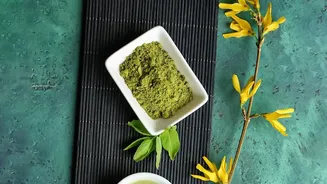
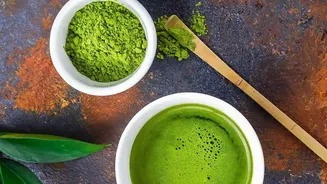
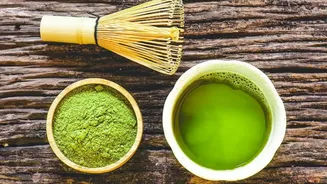
At its core, matcha is a high-grade, finely ground powder made from specially grown and processed green tea leaves. Unlike traditional green tea, where you steep the leaves and discard them, with matcha, you are consuming the entire leaf. This is the key
to its vibrant colour, unique flavour, and concentrated health benefits. The leaves are grown in the shade for the last few weeks before harvest, which boosts their chlorophyll and L-theanine content, giving matcha its characteristic bright green hue and a complex flavour profile that is often described as umami-rich, grassy, and slightly sweet.
The Wellness and Aesthetic Appeal
A huge driver of matcha's growing fame is its reputation as a superfood. It's packed with antioxidants called catechins, particularly EGCG, which are known to help fight cell damage. Because you consume the whole leaf, a single cup of matcha can contain significantly more antioxidants than a cup of steeped green tea. It also contains an amino acid called L-theanine, which is credited with promoting a state of 'calm alertness'—a focused energy without the jittery side effects some experience with coffee. This combination of health benefits and mindful energy resonates strongly with India's growing wellness culture. Beyond health, its vivid colour makes it incredibly photogenic, turning lattes, cakes, and desserts into 'Instagrammable' works of art.
Why Is It Trending in India Now?
Matcha's rise in India is a perfect storm of global trends meeting local tastes. The recent surge in online searches points to a significant shift from simple curiosity to active participation. According to Google Trends data, searches for “how to make matcha” have skyrocketed by 1300% over the past year. This indicates that Indians are not just content with ordering it at a café; they want to bring the ritual home. The data shows that major urban centres like Delhi, Goa, and Chandigarh are leading this trend. This interest is further fueled by a post-pandemic focus on health and immunity and the influence of global culture through social media.
From Lattes to Mango Matcha
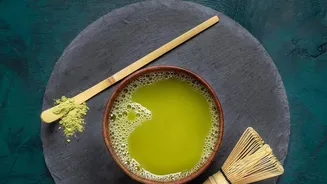
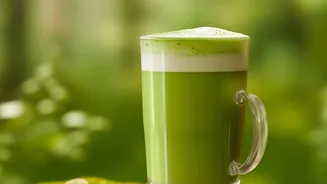
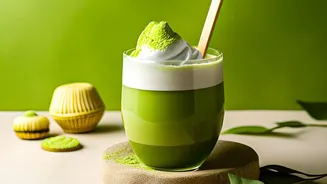
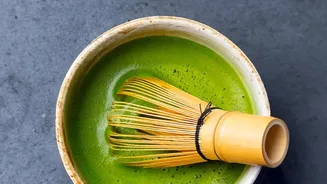
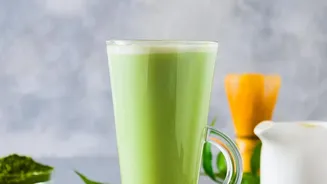
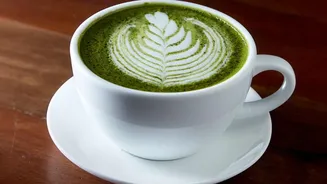
While traditional Japanese preparation involves whisking the powder with hot water in a bowl, Indians are embracing matcha's versatility and making it their own. Cafes and home brewers are experimenting with creative combinations. Matcha lattes are the most popular entry point, but the innovation doesn't stop there. Search trends show a significant rise in interest for 'mango matcha' and 'strawberry matcha', especially during the summer. Other creations like 'dirty matcha' (a shot of espresso mixed with matcha) and 'coconut matcha' are also gaining traction, showing a willingness to blend the Japanese tradition with familiar Indian flavours.
Getting Started with Matcha at Home
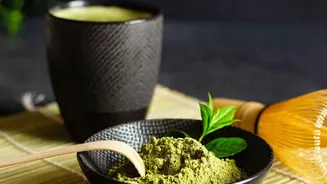
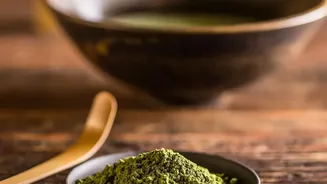
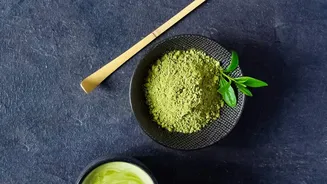
The curiosity is clearly moving into the kitchen, with searches for 'matcha kit,' 'matcha whisk,' and 'matcha bowl' seeing a dramatic increase. If you're looking to start, the key is knowing what to buy. You'll find two main grades: ceremonial and culinary. Ceremonial grade is the highest quality, meant for drinking on its own with just water, and carries a higher price tag. Culinary grade is designed for mixing into lattes, smoothies, and baked goods. For a simple homemade matcha latte, you don't need a traditional bamboo whisk, though it helps create the best froth. You can simply sift a teaspoon of matcha powder into a mug, add a little hot water, and whisk vigorously to form a paste before adding your steamed milk of choice.