








The 'Cancer' of Sugarcane
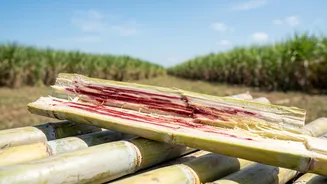
Red Rot, caused by the fungus Colletotrichum falcatum, is often called the 'cancer of sugarcane' for its devastating impact. It rots the cane from the inside out, turning the internal tissue red with white patches and causing it to ferment, emitting a foul
odour. This not only destroys the infected stalk but can spread rapidly, especially in waterlogged conditions, wiping out entire fields. For farmers, identifying it is a race against time; once it takes hold, the crop is unsalvageable, leading to massive financial losses. The disease has historically been responsible for eliminating many popular sugarcane varieties.
An Alarming National Spread
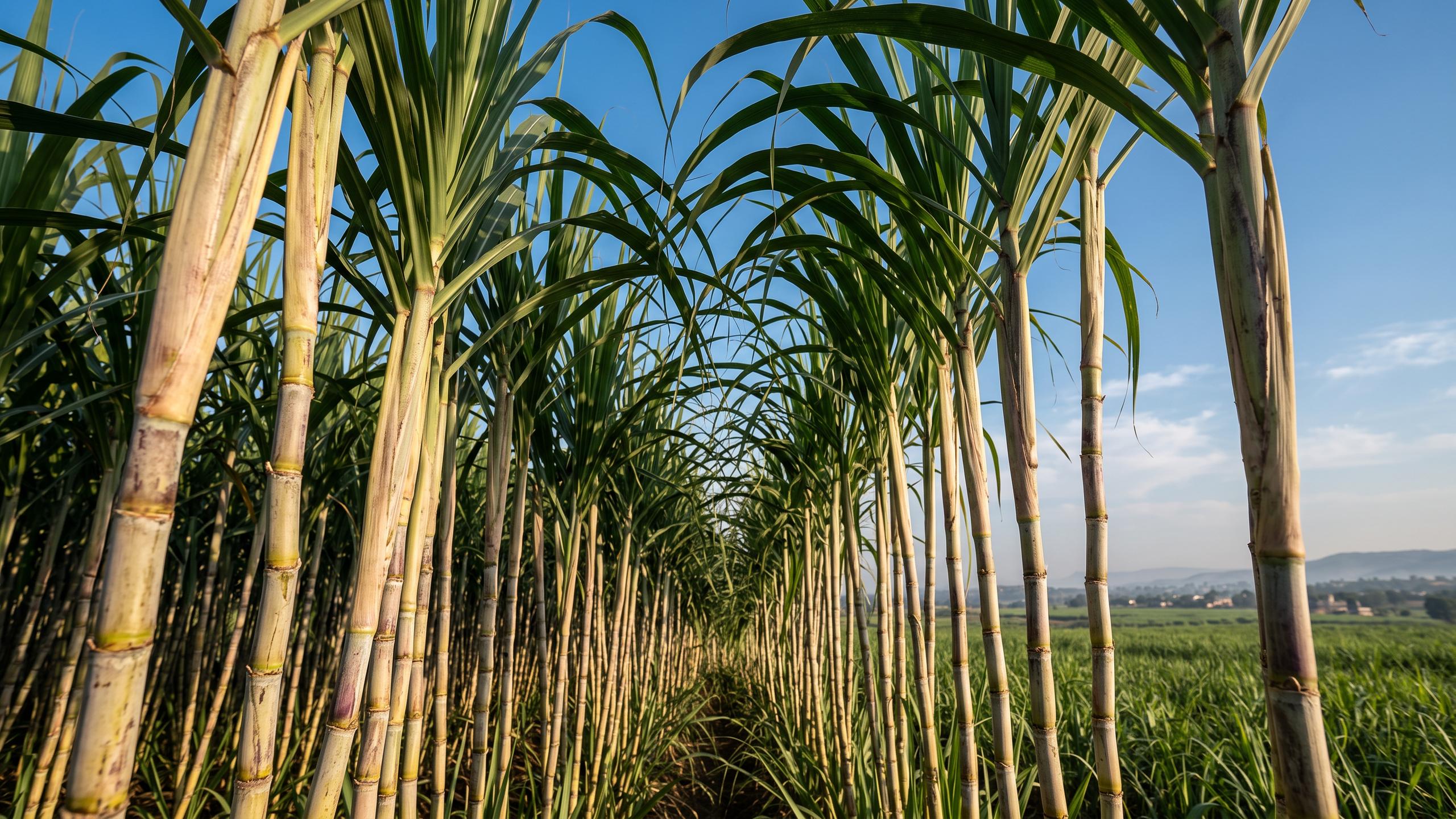
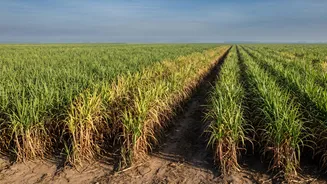
This season, the spread of Red Rot, combined with heavy rains and pests, has been particularly severe. The government has officially acknowledged that the disease is a primary factor behind a significant drop in sugar production estimates. Initially projected at over 34 million metric tonnes, the estimate for the current season has been revised downwards by more than 10% to around 30.6 million tonnes. Key sugarcane-producing states like Uttar Pradesh and Maharashtra have been badly affected, reporting lower yields and reduced sugar recovery rates from the harvested cane.
From the Field to Your Kitchen
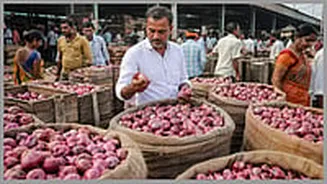
The link between diseased crops and the price of sugar is direct and painful. Lower production creates a supply crunch. This shortfall has sent prices soaring to levels not seen in years. According to government data, the average retail price of sugar jumped from around ₹48 per kg in late July 2026 to over ₹55 by late August. In some markets, wholesale prices have hit a 16-year high. This price shock comes just ahead of the festive season, when demand for sugar typically surges, putting extra pressure on household budgets across the country.
A Bitter Harvest for Farmers
While consumers feel the pinch, farmers face ruin. The spread of Red Rot means their hard work and investment can vanish in a single season. Many farmers who planted the popular Co 0238 variety, once hailed as a 'wonder variety' for its high yields, have found it susceptible to the new strains of the fungus, leading to substantial losses. They are now being advised against planting it. This cycle of disease outbreak not only impacts their immediate income but also creates uncertainty for future planting seasons, affecting the livelihoods of millions dependent on the sugarcane economy.
The Race for a Solution
In response to the crisis, the government has been forced to take drastic steps, including allowing duty-free import of one million tonnes of sugar for the first time in nearly a decade to stabilize prices. Simultaneously, agricultural research institutes are intensifying efforts to develop and release new, disease-resistant sugarcane varieties. Scientists are working on breeding programmes and promoting practices like using certified disease-free seed cane and better field drainage to manage the disease. Biological control agents are also being explored as a way to suppress the fungus, offering a glimmer of hope for future harvests.