




A Modern Twist on a Fasting Favourite
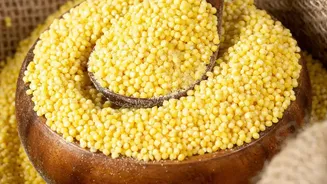
Samak rice, also known as barnyard millet, is a staple during religious fasts like Navratri in India. It’s not actually a rice but a type of millet, cherished for being light, gluten-free, and permissible when grains are avoided. Traditionally, it’s used
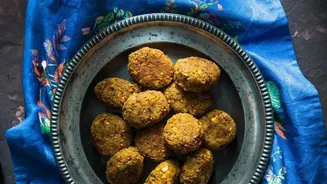
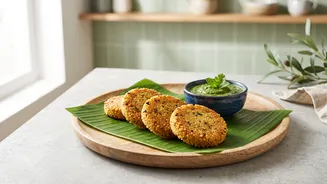
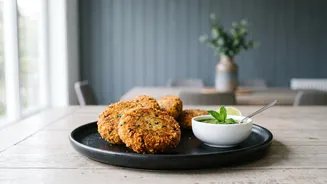
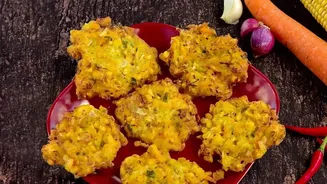
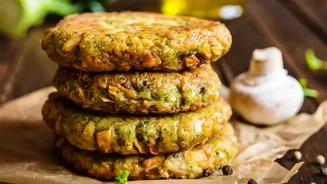
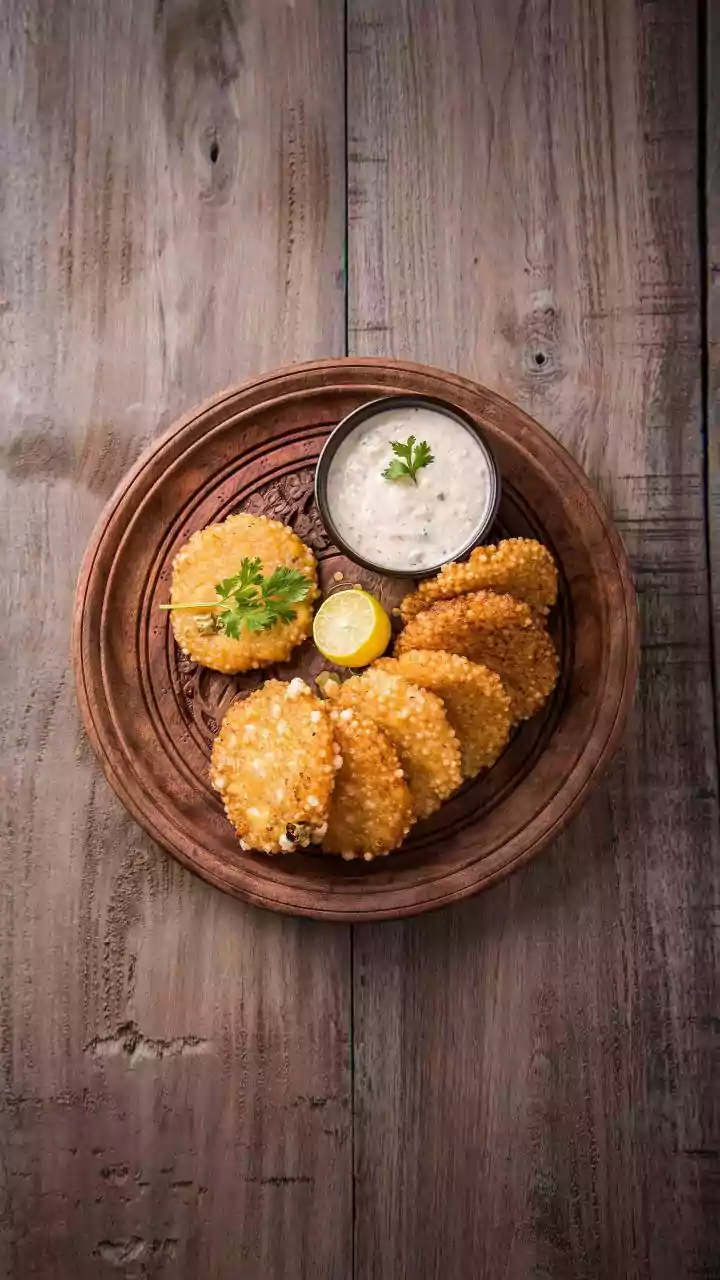
in dishes like khichdi or kheer. While many cutlet or tikki recipes rely on boiled potatoes for binding, celebrity chef Kunal Kapur has developed an innovative version that skips them entirely. His recipe uses the natural starch of the cooked millet to bind a colourful medley of vegetables, creating a snack that is both light and satisfying. This clever technique results in a cutlet that’s crispy on the outside, soft on the inside, and packed with flavour without feeling heavy.
The Goodness of Barnyard Millet
Before we start cooking, it's worth knowing why Samak rice is such a great choice. This humble millet is a nutritional powerhouse. Compared to polished white rice, it is richer in fibre, which aids digestion and provides a feeling of fullness for longer. It's also a good source of minerals like iron and magnesium. Because it's gluten-free, it's an excellent option for those with gluten sensitivities. Its low glycemic index makes it a favourable choice for managing blood sugar levels, though portion control remains important. Chef Kapur's recipe leans into these health benefits, combining the millet with fresh vegetables to create a truly wholesome dish.
Ingredients for the Cutlets
Here is the list of ingredients you'll need to create Chef Kapur's delicious Samak Rice Cutlets. This recipe makes about 13 cutlets. For the Base: 200g (1 cup) barnyard millet (Samak rice) 4 cups water 1 tbsp oil 2 tbsp ghee, for pan-frying Salt to taste (or Sendha Namak for fasting) For the Flavouring (Tadka): 1 tsp cumin seeds (jeera) 1/2 tsp asafoetida (heeng) 1/2 tsp crushed black pepper 1 sprig curry leaves 2 green chillies, chopped 2 tsp ginger, finely chopped Vegetables and Nuts: 1/2 cup carrots, grated 1/2 cup French beans, chopped 1/3 cup boiled corn 1/3 cup green peas 1/4 cup roasted peanuts 1/4 cup cashews, broken A handful of coriander leaves, chopped 1/2 tsp turmeric powder 1 tsp chilli flakes
Step-by-Step Cooking Guide
Follow these simple steps to prepare the cutlets. The key is to cook the millet mixture until it forms a dough-like consistency that can be easily shaped. 1. Prepare the Tadka: Heat 1 tablespoon of oil in a deep pan. Add the cumin seeds, asafoetida, crushed black pepper, curry leaves, green chillies, and chopped ginger. Sauté for about two minutes until fragrant. 2. Cook the Vegetables: Pour in the 4 cups of water and bring it to a boil. Add salt, peanuts, cashews, grated carrots, French beans, boiled corn, green peas, and turmeric powder. Let this mixture cook for a few minutes. 3. Add the Millet: Add the Samak rice to the boiling water and vegetable mixture. It's important to stir continuously as you add the millet to prevent lumps from forming. 4. Form the Dough: Continue cooking and stirring until all the water is absorbed and the millet is cooked through, forming a thick, dough-like mass. Remove from the heat and stir in the chilli flakes and chopped coriander leaves. 5. Shape and Fry: Allow the mixture to cool slightly until it's comfortable to handle. Knead it gently. Take portions of the mixture, shape them into cutlets or tikkis of your desired size. Heat the ghee in a pan and shallow-fry the cutlets on medium heat until they are golden brown and crispy on both sides.
Serving and Storage Tips
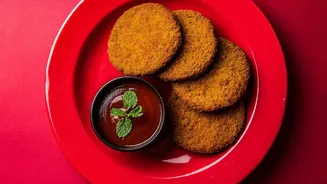
These Samak rice cutlets are best served hot, straight from the pan, to enjoy their maximum crispiness. They pair wonderfully with a side of refreshing mint-coriander chutney or a simple yogurt dip. For those observing a fast, ensure your chutney is made with vrat-compliant ingredients. The combination of the crispy exterior, the soft, flavourful interior, and a zesty dip makes for an unforgettable snack. While they are best eaten fresh, you can store the shaped, uncooked cutlets in an airtight container in the refrigerator for a day. Simply pan-fry them when you're ready to serve.