





Why Cotton is Losing Its Sheen
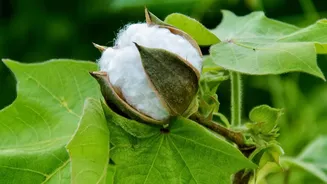
For years, cotton was a cornerstone of Punjab's agricultural economy, particularly in the Malwa belt. However, farmers are now turning their backs on the crop in record numbers. The primary reason is immense risk. In recent years, cotton fields have been
decimated by repeated and severe pest attacks, most notably from the pink bollworm and whitefly. These infestations have led to widespread crop failure and devastating financial losses, eroding farmers' confidence in their ability to earn a stable livelihood from cotton. Adding to the misery, unpredictable weather patterns, including unseasonal rains during the crucial harvesting period, have further damaged yields and slashed incomes. Faced with mounting debts and unreliable returns, many farmers now view cotton as a gamble they can no longer afford to take.
The Irresistible Pull of Paddy
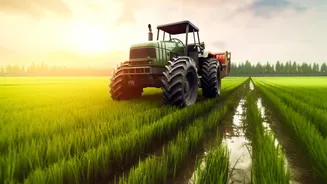
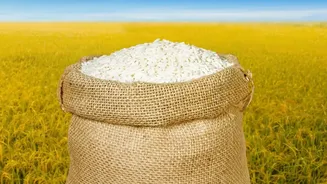
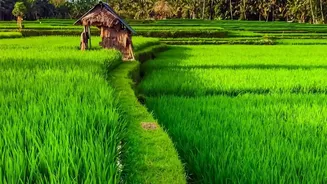
In the face of cotton's volatility, paddy (rice) has emerged as a symbol of security. The single most important factor driving farmers towards paddy is the government's Minimum Support Price (MSP) mechanism. Unlike cotton or other alternative crops, the government guarantees the purchase of the entire paddy harvest at a pre-announced price. This system effectively removes market and price risks, offering a financial safety net that cotton simply cannot match. Furthermore, the proliferation of tubewells, often powered by free or heavily subsidised electricity, has made it possible to cultivate the water-guzzling crop even in areas with declining water tables. For a farmer weighing his options, the choice is clear: the guaranteed income from paddy outweighs the potential but uncertain profits from a risky cotton crop.
The Alarming Environmental Price
While the shift to paddy makes perfect economic sense for an individual farmer, its collective impact is an ecological catastrophe in the making. Paddy is one of the most water-intensive crops, consuming up to 5,000 litres of water to produce a single kilogram of rice. This relentless thirst is putting an unbearable strain on Punjab's groundwater resources. Year after year, the water table is dropping at an alarming rate, with some reports suggesting a decline of over one meter annually in many parts of the state. Today, over 80% of Punjab's administrative blocks are classified as 'over-exploited' in terms of groundwater. Experts warn that if this trend continues, the state, once the heart of the Green Revolution, faces the real prospect of desertification and widespread water scarcity.
What Farmers Should Watch
Farmers navigating this complex landscape should keep a close eye on agricultural research and policy developments. The development of new, high-yield hybrid cotton seeds that are more resistant to pests like the pink bollworm could be a game-changer, potentially restoring cotton's viability. It is also crucial to monitor any changes in government incentive programs. While the paddy MSP is currently secure, there is growing pressure to reform it. Farmers should watch for any new subsidies or support systems for alternative, less water-intensive crops like maize, pulses, or oilseeds, which could offer new avenues for profitable diversification in the future.
What Policy Readers Should Watch
For policymakers, the challenge is to resolve a deep-seated paradox: how to ensure farmers' financial security while steering the state away from an environmental crisis. The key issue to watch is the future of the MSP regime. Any meaningful attempt at crop diversification will require creating a robust system of price assurance and market infrastructure for alternative crops, making them as economically attractive as paddy. This involves not just announcing an MSP but ensuring procurement. Furthermore, policies around free farm power and water usage are central to the debate. The long-term sustainability of Punjab's agriculture hinges on the political will to implement reforms that balance immediate economic needs with critical environmental imperatives.