

Crispy on the outside, soft and savoury on the inside, the vada is a quintessential part of an Indian breakfast. But beyond the familiar, lies a diverse world of regional variations, each with its own unique texture, taste, and story.
The South Indian Classic: Medu Vada
Arguably the most
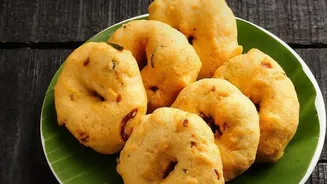
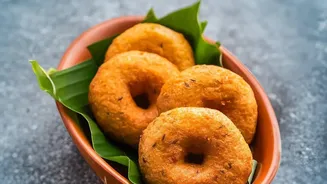
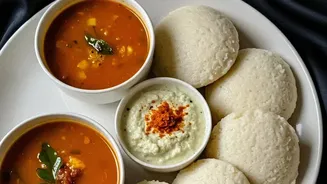
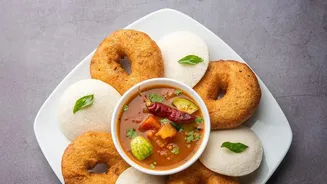
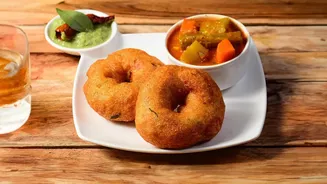
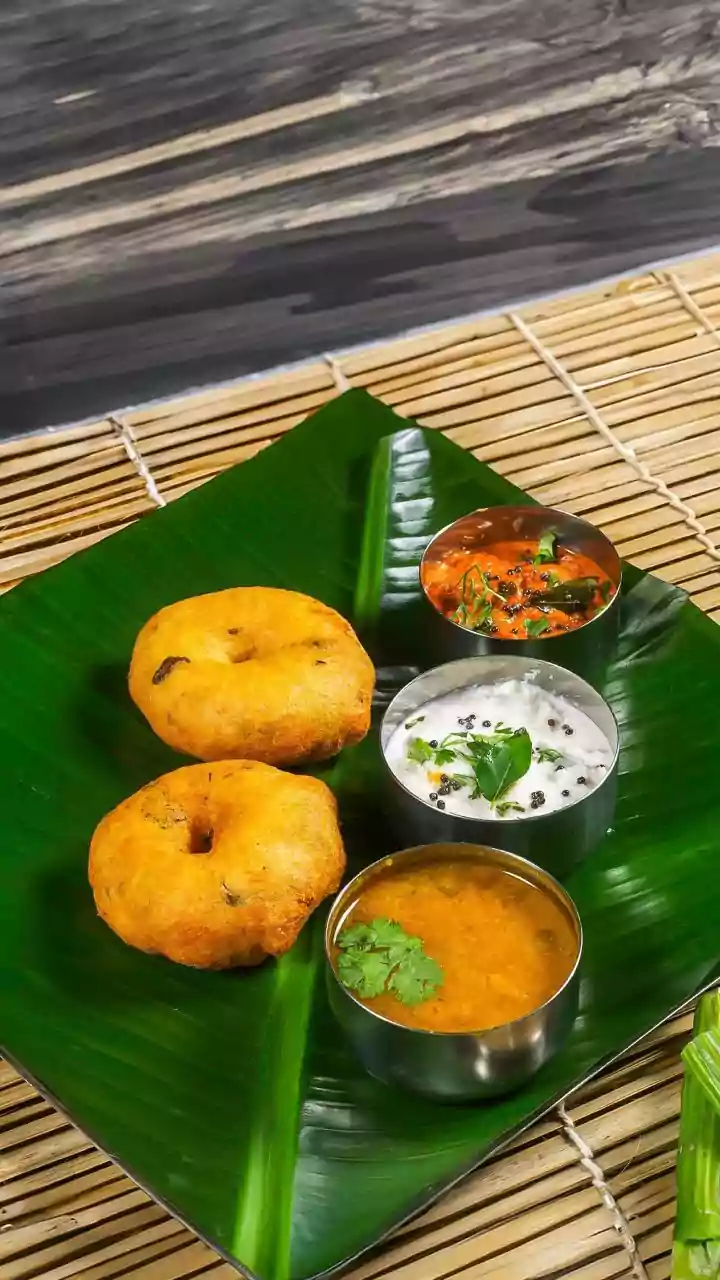
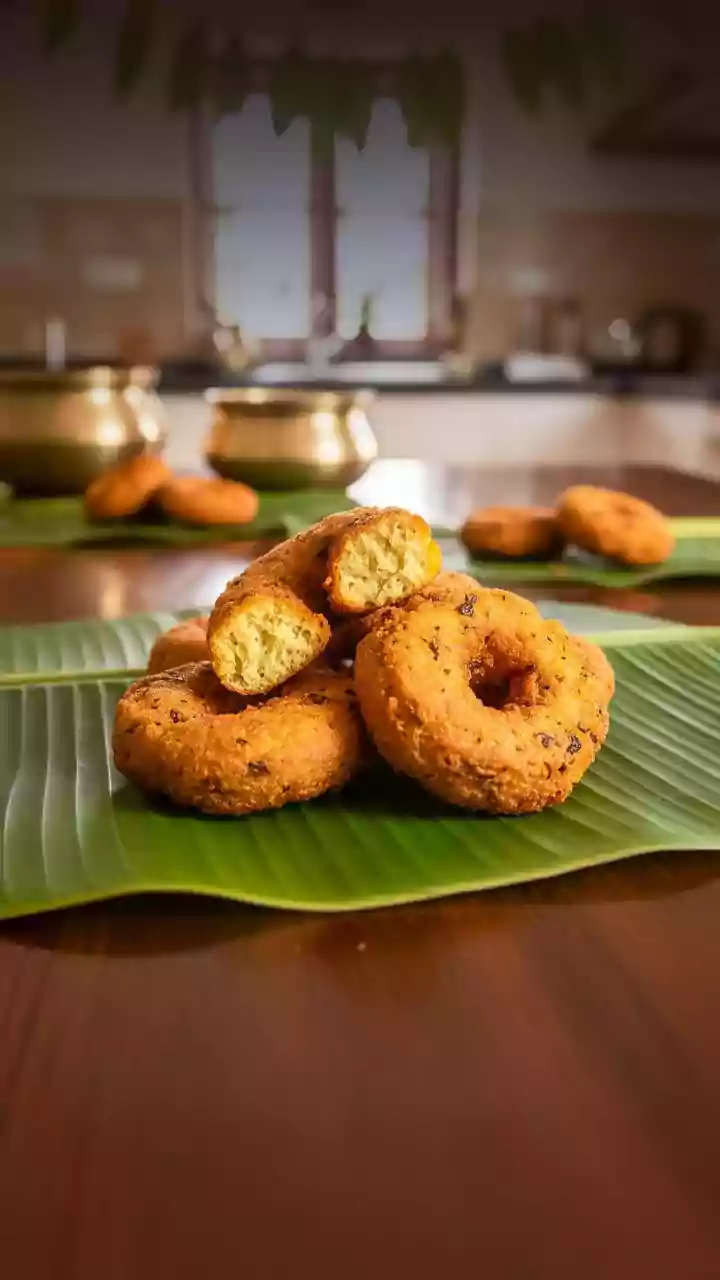
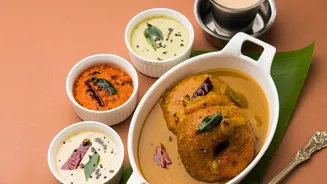
recognised vada, the Medu Vada is a breakfast icon across South India. Known for its distinctive doughnut shape, it boasts a delightfully crispy exterior that gives way to a soft, fluffy interior. The name itself gives a clue to its texture; 'Medu' means soft in Kannada. Made from a carefully ground batter of urad dal (black lentils), these fritters are subtly spiced with ginger, black pepper, cumin seeds, and curry leaves. The secret to a perfect medu vada lies in creating a light, aerated batter, which ensures it puffs up beautifully when fried. Traditionally served hot alongside a bowl of steaming sambar and fresh coconut chutney, it’s a comforting start to any day.
The Spicy Competitor: Masala Vada
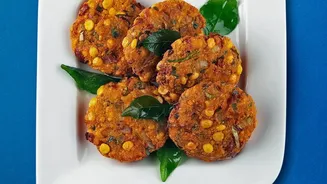
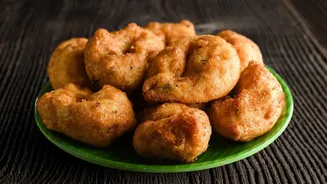
For those who prefer a bit more crunch and spice, the Masala Vada is the perfect alternative. Unlike the smooth batter of its medu counterpart, this version is made from coarsely ground chana dal (Bengal gram) or toor dal (split pigeon peas), giving it a rustic, crunchy texture. Sometimes called Paruppu Vada in Kerala and Tamil Nadu, its flattened, disc-like shape is packed with flavour from chopped onions, green chillies, fennel seeds, and fresh herbs. Every bite offers a satisfying crunch and a burst of spices, making it a popular teatime snack that pairs wonderfully with a hot cup of chai. It stands as a testament to how a few different ingredients can create a completely new vada experience.
Maharashtra’s Pride: Batata Vada
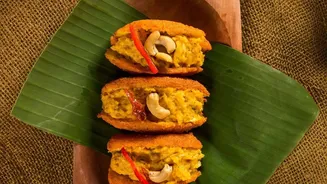
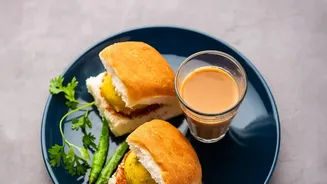
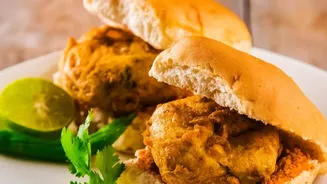
Head west to Maharashtra, and you’ll find the beloved Batata Vada, a popular street food staple, especially in Mumbai. 'Batata' means potato, and this vada features a flavourful filling of mashed potatoes seasoned with mustard seeds, turmeric, ginger, garlic, and green chillies. This soft potato mixture is then formed into a ball, dipped in a thick batter made from besan (chickpea flour), and deep-fried to a perfect golden-brown. The result is a delightful contrast between the crunchy outer layer and the soft, spicy filling inside. While delicious on its own with some chutney, its most famous form is in a Vada Pav, where it's sandwiched in a soft bread roll, creating India's favourite vegetarian 'burger'.
The Fasting Favourite: Sabudana Vada
Another gem from Maharashtra, the Sabudana Vada is a unique fritter made from tapioca pearls (sago). It is especially popular during religious fasting periods like Navratri, as it's made without any grains or lentils. The soaked sabudana is mixed with boiled and mashed potatoes, coarsely crushed roasted peanuts, green chillies, and fresh coriander. This mixture is shaped into flat patties and fried until crispy. The peanuts provide a wonderful nutty crunch that complements the soft, slightly chewy texture of the tapioca pearls. Often served with a sweet yogurt dip, it’s a snack that’s both hearty and delicious.
Rajasthan’s Twice-Fried Wonder: Kalmi Vada
From the royal state of Rajasthan comes the Kalmi Vada, a uniquely crispy snack known for its preparation method. Made from a coarse batter of chana dal (and sometimes other lentils) mixed with spices like fennel seeds, coriander, and chillies, the process involves two rounds of frying. First, large logs or patties of the batter are fried until cooked through. After cooling, they are sliced into long, thin strips ('Kalmi' means stick or pen-like) and then fried again until they are exceptionally crunchy. This double-frying technique ensures an irresistible, lasting crispness. These vadas are perfect for dipping in green chutney and are a popular treat during festivals like Holi.
The Cool Delight: Thayir Vadai
While most vadas are served hot and crispy, the Thayir Vadai is a cool, refreshing preparation popular in South India. 'Thayir' means curd or yogurt in Tamil. This dish takes freshly made medu vadas and soaks them first in water or buttermilk to soften them. They are then submerged in a bowl of seasoned, whisked yogurt. The yogurt is typically tempered with mustard seeds and curry leaves and can be spiced with ginger and green chillies. Garnished with grated carrots, fresh coriander, and crispy boondi, Thayir Vadai is a delightful dish that transforms the humble vada into a creamy, savoury, and cooling experience, quite different from its North Indian cousin, the Dahi Bhalla.