

The Myth of the One 'Best' Vegetable
In the world of wellness, it’s easy to get caught up in the search for a single, perfect food that will solve all our health concerns. We hear that one vegetable has more of a certain antioxidant, or another is packed with a specific vitamin. This often
leads to a cycle of buying a trendy, expensive vegetable, letting it wilt in the fridge, and feeling guilty about it later. The problem with this “superfood” mindset is that it overlooks the most critical factor in a healthy diet: consistency. While some foods are more nutrient-dense than others, the benefits of those nutrients are only realised when consumed regularly. An occasional, 'perfect' meal doesn't have the same impact as a sustained pattern of eating well. Health isn't built on a single meal, but on the sum of our choices over time.
A Look at the Humble Root Aisle
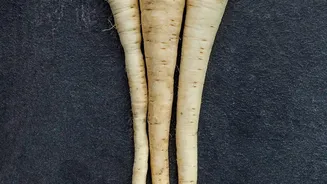
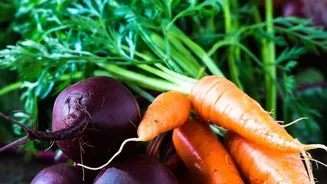
The good news is that nearly all root vegetables are nutritional powerhouses, packed with fibre, vitamins, and minerals. There is no need to pick just one winner. Carrots and sweet potatoes are loaded with beta-carotene, which the body converts to vitamin A for vision and immune support. Beets are rich in compounds that help reduce inflammation and improve blood flow. Even the common potato, often unfairly maligned, is an excellent source of potassium and vitamin C. Turnips, parsnips, and radishes also offer a wealth of nutrients, including fibre that promotes a healthy gut and helps you feel full. The key is variety; eating a range of different vegetables ensures you get a broad spectrum of beneficial compounds.
Why Consistency Is the Real Superpower
Think of it like exercise. You wouldn't expect to get fit from one perfect workout session. It's the habit of moving your body regularly that builds strength and endurance. The same principle applies to nutrition. Consistently including vegetables in your diet provides your body with a steady supply of the tools it needs to function well. Regular intake of fibre supports your digestive system, a constant stream of antioxidants helps fight inflammation, and a reliable source of vitamins and minerals bolsters your immune system. Focusing on perfection can lead to an all-or-nothing mentality. If you can't find or afford the 'best' vegetable, you might eat none at all. A consistent approach, however, allows for flexibility and makes healthy eating a sustainable, long-term habit rather than a short-lived effort.
Making Root Vegetables a Regular Habit
So, how do you make consistency easy? Start by choosing root vegetables that you genuinely enjoy, are affordable, and are readily available. Roasting is one of the easiest and most delicious ways to prepare them; simply chop them into uniform pieces, toss with a little olive oil and seasoning, and bake at a high temperature until tender and caramelised. You can roast a large batch at the beginning of the week and add them to salads, grain bowls, or omelets. Mashed or puréed root vegetables are another comforting option, and you can mix different kinds together, like potatoes and parsnips. Grating raw carrots or beets into salads adds a quick, crunchy boost of nutrients. The goal is to find simple preparation methods that fit into your life, ensuring these nutritious staples don't just sit in your pantry.