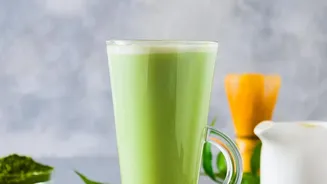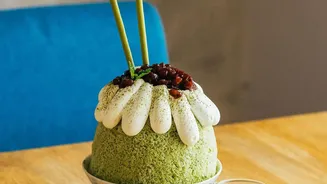


The Green Wave of Matcha
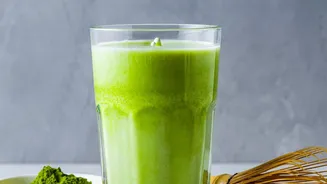
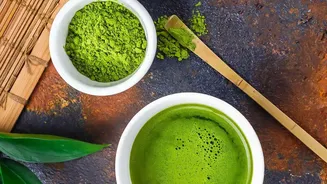
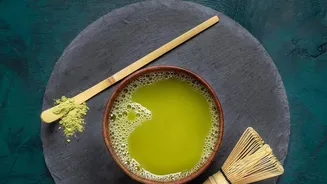
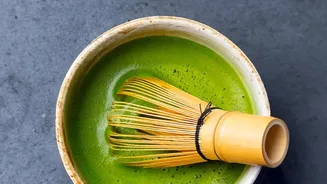
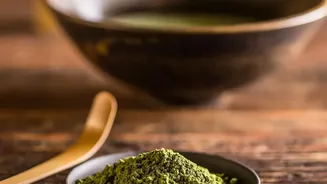
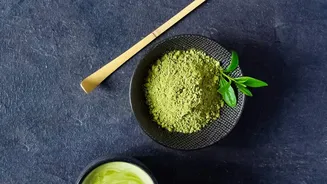
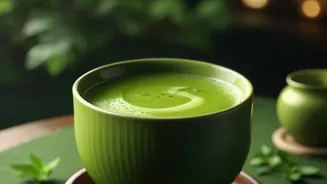
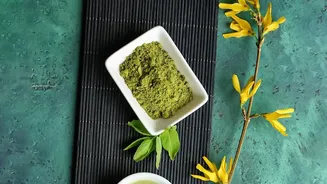
Matcha, a finely ground powder of specially grown and processed green tea leaves, has officially moved from niche health food stores to mainstream Indian life. Originally central to traditional Japanese tea ceremonies for centuries, its appeal is now
global. Unlike regular green tea, where leaves are infused in water, with matcha you consume the entire leaf, resulting in a more intense flavour and higher caffeine content. Its taste is complex: a blend of grassy, vegetal notes with a subtle sweetness and a distinct savoury quality known as umami. In India, this unique profile is finding a home in everything from frothy lattes and iced teas to cheesecakes and even face masks. Google Trends data from 2026 shows that searches for “how to make matcha” surged by 1,300% in the past year, proving that Indians are not just ordering it outside but are keen to make it a home ritual.
Ube's Captivating Purple Charm
Next is ube, a purple yam native to the Philippines that is taking the dessert world by storm. Pronounced 'OO-beh', its stunning violet colour is completely natural, making it a social media star. But its popularity isn't just skin deep. Ube has a mild, sweet flavour with creamy notes often compared to a mix of vanilla, white chocolate, and pistachio. This makes it incredibly versatile. Traditionally used in Filipino desserts like the jam-like ube halaya, Indian bakeries and cafés are now incorporating it into ice creams, macarons, and Basque cheesecakes. According to Google Trends, search interest for ube in India reached an all-time high in August 2026, with creative combinations like 'ube matcha' also becoming a breakout search, showing how consumers are already experimenting with these new flavours.
Hojicha, The Earthy Newcomer
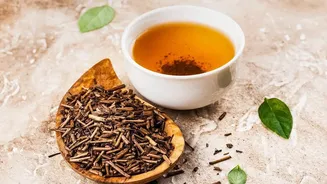
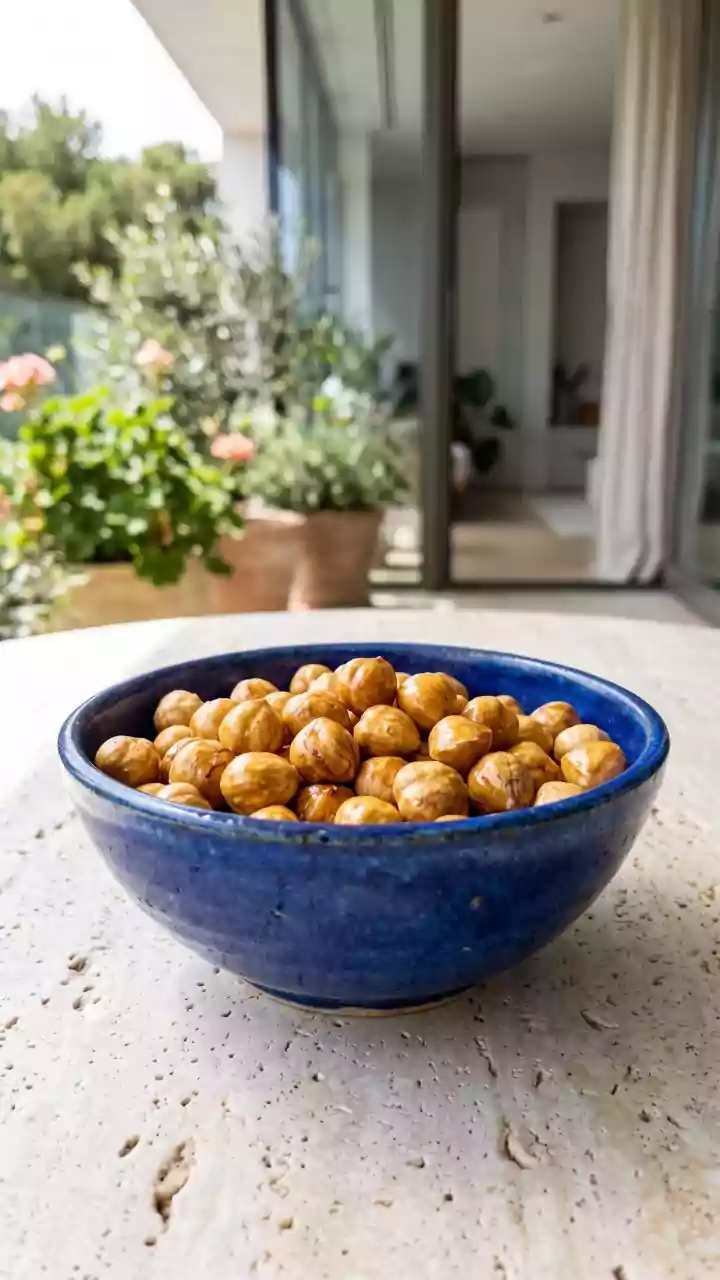
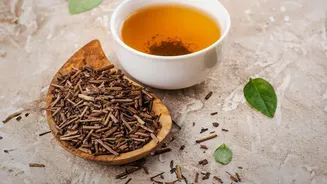
While matcha is bright and grassy, its roasted cousin, hojicha, offers a completely different experience. Developed in Kyoto in the 1920s, hojicha is a Japanese green tea that is roasted over charcoal after its leaves are steamed and dried. This process transforms the leaves to a reddish-brown colour and gives the tea a warm, toasty, and nutty flavour with hints of caramel and almost no bitterness. Because roasting reduces the caffeine content, hojicha is enjoyed as a soothing, mellow alternative, perfect for an evening drink. Though less famous than matcha, curiosity is growing fast. Queries for “what is hojicha” and “hojicha latte” have seen significant spikes in India, positioning it as the next go-to beverage for those looking for something comforting and new.
Why These Flavours, and Why Now?
The rise of matcha, ube, and hojicha isn't accidental. It points to a broader evolution in the Indian palate, driven by several converging factors. Increased global travel and exposure to international content through social media and streaming platforms have made Indian consumers, especially millennials and Gen Z, more adventurous with their food choices. The visual appeal of these ingredients is undeniable in an era where photogenic food drives trends on Instagram and TikTok. Furthermore, there is a growing specialty beverage culture in India. Just as consumers have become more knowledgeable about coffee origins and brewing methods, they are now applying the same curiosity to tea. This shift from a commodity to an experience is creating a fertile ground for artisanal, high-quality products with a unique story. These new flavours are more than just a passing fad; they represent a modern, globalised India, eager to explore and adopt the world's tastes while making them distinctly their own.