








What Exactly is Isobutanol?
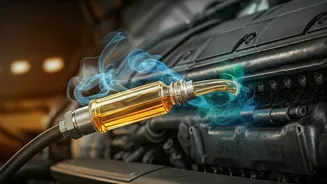
Isobutanol is a four-carbon alcohol that can be produced from the same feedstocks as ethanol, such as sugarcane, corn, and other plant-based biomass. Unlike ethanol, however, its chemical properties make it a much better partner for diesel. Previous attempts
to mix ethanol directly with diesel in India were largely unsuccessful because the two liquids don't blend well and tend to separate. Ethanol also absorbs water, which can cause corrosion in fuel systems, and has a very low flash point, making it a fire risk in a diesel environment. Isobutanol, on the other hand, mixes more uniformly with diesel, is less corrosive, and has a higher flash point, making it safer to handle and transport through existing pipelines.
The Case for Blending
The push for an isobutanol-diesel blend is driven by a powerful set of national priorities. Diesel is the workhorse of the Indian economy, powering nearly twice as much of the transport sector as petrol. Blending a domestically produced biofuel into this massive consumption pool could significantly cut India's heavy reliance on imported crude oil, which currently stands at over 85%. Environmentally, initial tests show that isobutanol blends can reduce harmful particulate matter and other emissions from diesel engines. This aligns perfectly with India’s goals of improving air quality and meeting its long-term Net Zero targets. Furthermore, by creating a new, large-scale demand for biofuels, it could provide a major boost to the agricultural sector and rural incomes.
From Lab to the Lorry
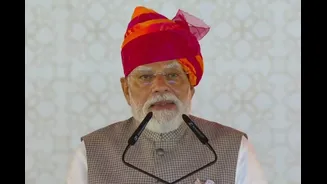
This isn't just a theoretical exercise. The Indian government, led by the Ministry of Road Transport and Highways, is actively pursuing this path. Union Minister Nitin Gadkari has publicly stated the government's intent to allow up to 15% isobutanol blending in diesel. Key research is being spearheaded by the Automotive Research Association of India (ARAI) in collaboration with bioenergy firms like Praj Industries. These bodies are conducting extensive real-world trials involving major vehicle manufacturers to test blends on various engine types, from passenger cars to commercial trucks. Early results have been described as very encouraging, showing significant pollution reduction without major impacts on engine performance or mileage at lower blend percentages.
Challenges on the Road Ahead
Despite the promise, several hurdles must be cleared. A primary concern is the cost and scale of isobutanol production. While it can be made from surplus ethanol, the conversion process adds expense, and current production capacity is limited. For the policy to be viable, India will need to rapidly scale up its bio-refining infrastructure, a process that could take several years. There are also technical considerations. While isobutanol is far more compatible than ethanol, some studies suggest that higher blends could slightly reduce a vehicle's overall fuel economy due to isobutanol having a lower energy density than pure diesel. There are also concerns about a potential increase in NOx emissions and a lower cetane number, which affects combustion quality, that need to be managed through careful formulation and engine tuning.