


The First Rule: Sizing for Your Plant
Before considering your furniture, the planter must first be the right size for the plant itself. This is crucial for both plant health and aesthetics. A pot that’s too large can lead to root rot because the soil stays wet for too long, while a pot that’s too small
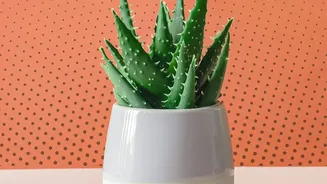
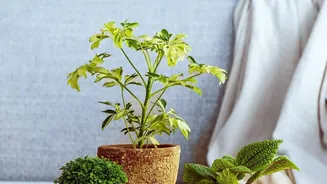
restricts growth. A good rule of thumb is to choose a planter that is 2 to 4 inches wider in diameter than the plant’s current nursery pot. For slow-growing plants like succulents, 1 to 2 inches is sufficient. Aesthetically, this prevents the plant from looking overwhelmed by its container or, conversely, like it's about to tip over. The goal is balance; the planter and plant should look like a cohesive unit, not a mismatch.
Beyond the Plant: Matching the Room's Scale
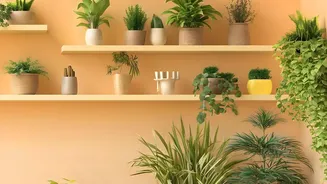
Once you have the right size for your plant's health, it's time to consider its relationship with the room. This is where scale becomes critical. Scale refers to how an object’s size relates to the space and the other objects within it. A tiny, four-inch pot placed on the floor next to a large, plush sofa will look insignificant and lost, creating a cluttered rather than styled feel. Conversely, a massive floor planter can overwhelm a small armchair or delicate side table, making the area feel cramped and unbalanced. The planter serves as a visual bridge, and its size should feel intentional within the context of the furniture. Large planters anchor a space and are best used in entryways or to define empty corners, while medium planters work well next to armchairs or on dining tables. Small pots are for details on shelves and windowsills.
Understanding Proportion
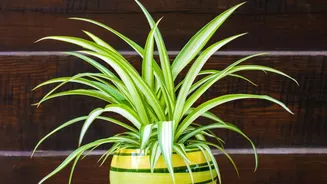
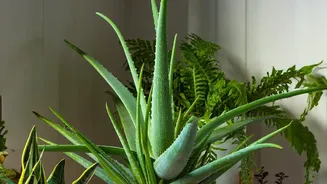
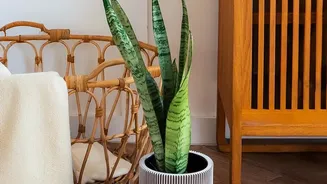
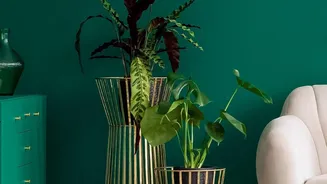
If scale is about the planter's relationship to the room, proportion is about the relationship between the plant and the planter. A common guideline is the rule of thirds: the pot should be about one-third of the total height of the plant and planter combined. For tall, spiky plants like a Snake Plant, a taller, columnar planter can emphasize its verticality. For plants with a wide, bushy spread, a wider pot provides visual support for its foliage. When the proportions are right, the combination feels harmonious. When they're wrong—such as a tall plant in a shallow, wide bowl—it creates a sense of visual tension.
Material and Style Synergy
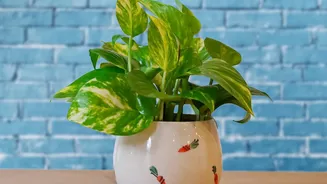
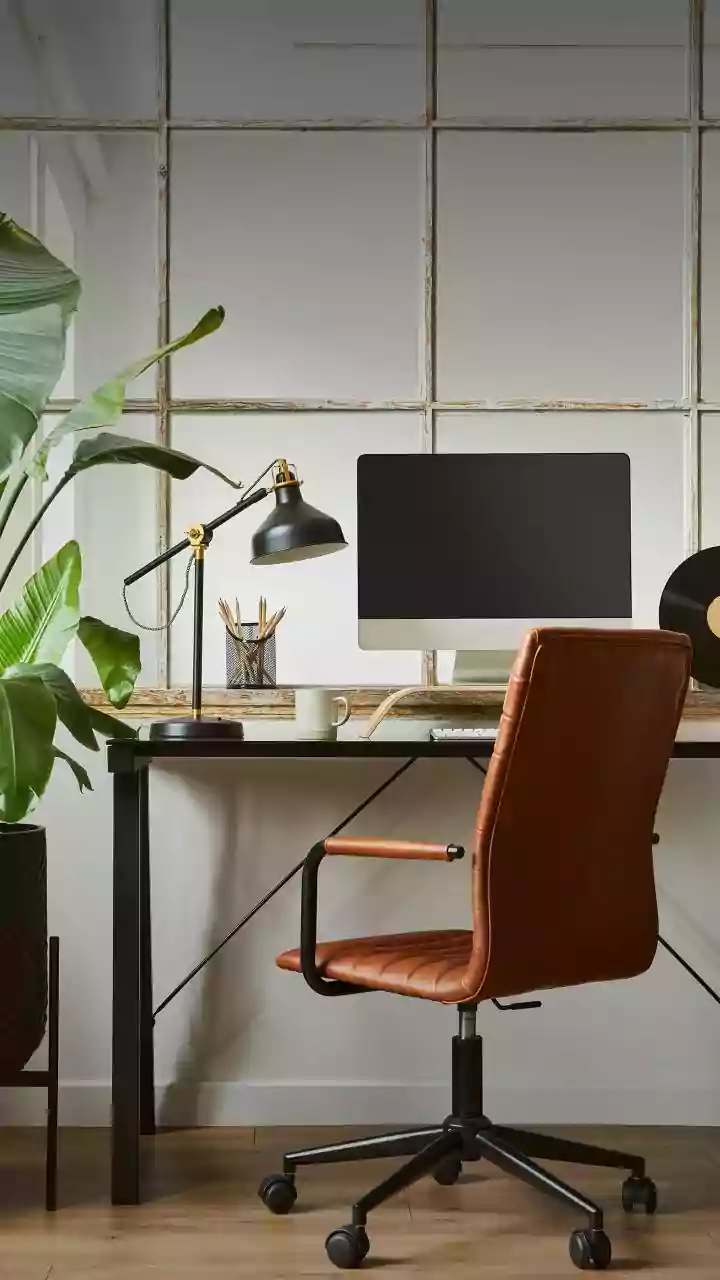
Scale isn't just about size; it's also about visual weight. The material and style of your planter should complement your furniture. For a sleek, contemporary living room with minimalist furniture, a clean-lined ceramic or metal planter in a neutral tone like black, white, or grey will blend in seamlessly. In a bohemian-style room filled with natural textures, a woven basket or an earthy terracotta pot will feel more at home. The key is to ensure the planter feels like a deliberate part of your home’s overall design story. You can use it to either blend in or stand out as a statement piece with a bold color or texture.
The Art of Grouping
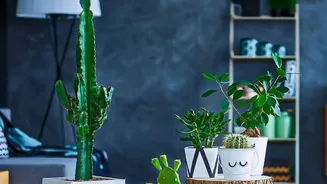
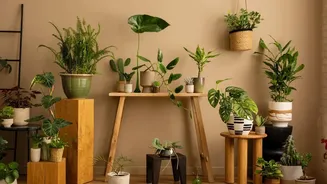
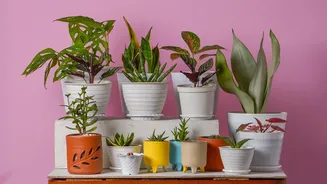
If you have a large piece of furniture or an empty corner to fill, you don't always need one massive planter. Creating a cluster of planters in varying sizes is a powerful design technique. Grouping three pots of different heights—a tall floor planter, a medium one on a low stand, and a smaller one directly on the floor—creates a dynamic, layered look that feels more interesting than a single pot. The trick is to maintain a sense of unity. You can achieve this by using planters made of the same material or in a consistent color palette. An odd number of pots, like three or five, often looks more natural and balanced than an even number.