



A Tale of Two Grains
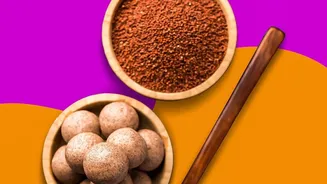
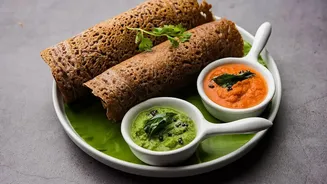
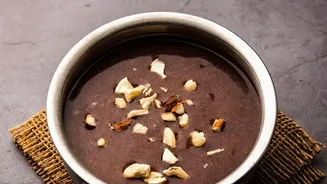
Ragi, also known as finger millet, is a staple grain that has been cultivated in India for thousands of years. It's a hardy crop, deeply woven into traditional diets, especially in the southern states, where it's used to make everything from porridge
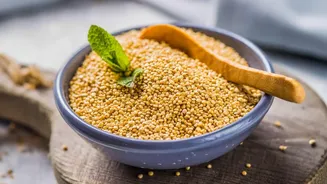
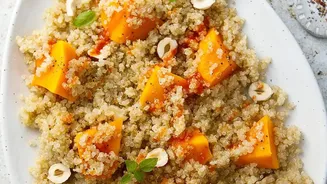
and rotis to dosas. Quinoa (pronounced 'keen-wah'), on the other hand, hails from the Andes mountains of South America. While technically a seed, it's cooked and consumed like a grain. Its global popularity has skyrocketed in recent years, earning it 'superfood' status for its impressive nutritional profile.
The Protein Power Play
When it comes to protein, quinoa takes a clear lead. It's known as a 'complete protein', which is rare for a plant-based food. This means it contains all nine essential amino acids that our bodies can't produce on their own, making it excellent for muscle repair and overall health. A 100g serving of uncooked quinoa offers around 14g of protein. Ragi contains about 7-8g of protein per 100g. While not a complete protein, it still provides key amino acids and is a valuable addition to any diet. For those looking to maximise their protein intake, particularly on a vegetarian or vegan diet, quinoa has the advantage.
Ragi: The Undisputed Calcium King
Here is where ragi truly shines and outperforms not just quinoa, but most other cereals. Ragi is one of the richest plant-based sources of calcium, boasting approximately 344-364 mg per 100g. This is crucial for building and maintaining strong bones and teeth, making it an invaluable food for growing children, post-menopausal women, and the elderly. In comparison, quinoa provides a respectable amount of calcium, but at around 198 mg per 100g, it's significantly less than ragi. For anyone focused on bone health, ragi is the clear winner.
Fibre, Digestion, and Fullness
Both grains are excellent sources of dietary fibre, which is essential for a healthy digestive system, preventing constipation, and promoting a feeling of fullness that can aid in weight management. Ragi generally has a slight edge, containing around 11g of fibre per 100g, while quinoa provides about 7g for the same amount, though some sources state the gap is smaller. The high fibre content in both grains helps in slowing down digestion, which keeps you feeling full for longer and prevents unhealthy snacking.
Micronutrients and Blood Sugar
Both grains pack a punch with essential minerals. Ragi is a powerhouse of iron and magnesium. Quinoa also contains iron and magnesium, and is particularly rich in folate, an important B-vitamin. When it comes to managing blood sugar, both are good choices due to their low glycemic index (GI), which means they release sugar into the bloodstream slowly. Ragi's GI is around 54, while quinoa's is about 53, making them both suitable for individuals managing diabetes.
Cost and Accessibility
A significant practical difference for Indian consumers is cost and availability. Ragi is locally grown, widely available across the country, and significantly more affordable. It's a sustainable choice that supports local farmers. Quinoa, being largely imported, is considerably more expensive and might not be as readily available in smaller towns. For daily consumption, ragi is the more budget-friendly and accessible option for the average Indian household.