







The green light for Haryana's portion of the Delhi-Panipat Namo Bharat corridor seems like a win for commuters. But for large-scale infrastructure in India, an approval is merely the start of a marathon, not the finish line.
The Promise of Rapid Transit
The Delhi-Panipat-Karnal Namo
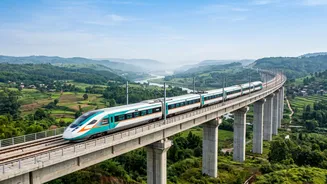
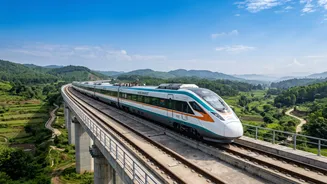
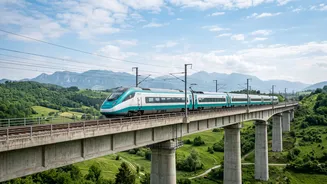
Bharat corridor is an ambitious plan to connect the national capital with key industrial and residential hubs in Haryana. Spanning approximately 136 kilometres, the project promises to slash travel time between Delhi and Panipat to just one hour, and to Karnal in an hour and a half, a significant reduction from the current two to four hours by road. With trains designed to run at 160 km/h, the Regional Rapid Transit System (RRTS) aims to decongest National Highway 44 and offer a reliable, high-speed alternative for daily commuters. Recent approvals from the Haryana government and the National Highways Authority of India (NHAI) for land use have generated considerable optimism, with a target completion date set for 2030.
The First Major Hurdle: Land
Despite the approvals, the path forward is paved with challenges, the most significant being land acquisition. While the NHAI has granted permission for using land along the highway for piers and stations, the process is far from simple. Acquiring land for large-scale projects in India is a notoriously complex and time-consuming affair, often involving protracted negotiations with numerous landowners, verifying ownership records, and conducting social impact assessments. In Haryana, recent government policies aim to encourage voluntary land offerings, but involuntary acquisition for public projects remains a delicate process that can lead to significant delays and legal disputes if not handled carefully. Even after compensation rates are announced, the physical handover of land can lag, stalling pre-construction activities like soil testing and utility shifting, which have only recently begun in some areas.
Following the Money Trail
An approval on paper does not mean the funding is fully secured and disbursed. The Delhi-Panipat-Karnal corridor has an estimated cost of over ₹33,000 crore, with Haryana's share pegged at around ₹7,472 crore. Securing and coordinating these massive financial commitments from central and state governments can become a bottleneck. Past RRTS projects have faced hurdles where state governments have delayed payments, leading to standoffs that required intervention from the Supreme Court to resolve. While the Haryana Cabinet has approved its contribution, the funds are typically released in phases, contingent on project milestones. Any mismatch in the flow of funds from different stakeholders can disrupt procurement, planning, and construction timelines, pushing the completion date further into the future.
Navigating Bureaucratic Layers
Beyond land and money, the project must navigate a dense web of bureaucratic and engineering challenges. The corridor requires seamless integration with existing transport networks, including Delhi Metro lines, railway stations, and bus terminals. This involves coordination between multiple civic and transport agencies, each with its own set of rules and priorities. The engineering itself is complex, involving the construction of dozens of elevated stations, some underground sections, and shifting high-tension power lines, all while managing traffic on one of the country's busiest highways. As a capital-intensive project, the Detailed Project Report (DPR) is subject to intense scrutiny at various levels within the central government before final financial assistance is sanctioned, a process that itself can be lengthy.
Lessons from Other Projects
The experience with other major infrastructure projects in India serves as a cautionary tale. The fully operational Delhi-Ghaziabad-Meerut Namo Bharat corridor, while successful, also faced its share of inter-agency friction and funding disputes during its development. Across the country, it is common for large projects to see their initial timelines and cost estimates revised multiple times due to unforeseen challenges. For instance, the Haryana Orbital Rail Corridor project saw its cost double due to rising land acquisition expenses, changes in alignment, and GST rate hikes. These precedents highlight that while the initial approvals for the Panipat link are a critical milestone, they are just one of many steps in a long and often unpredictable journey.