




1. Rapidly Melting Glaciers
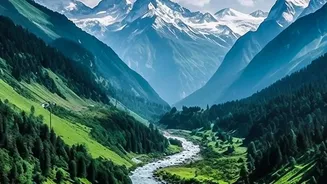
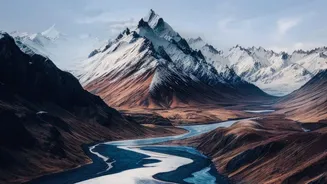
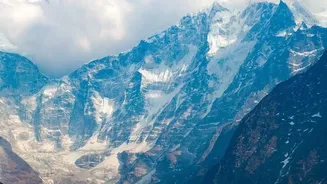
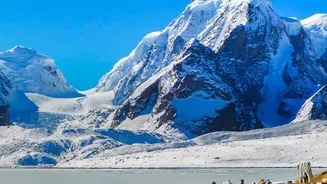
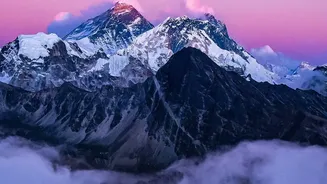
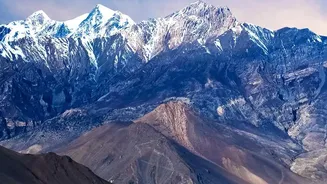
Himalayan glaciers, often called the 'Third Pole', are retreating at an alarming rate due to rising global temperatures. This rapid melting does more than just signal a warming planet; it creates enormous glacial lakes, often held back only by unstable
natural dams of rock and debris. These lakes are ticking time bombs. A sudden breach can trigger a Glacial Lake Outburst Flood (GLOF), unleashing a devastating wall of water, mud, and boulders downstream, as seen in catastrophic events in the region. The melting also threatens long-term water security for nearly two billion people who depend on rivers fed by these glaciers.
2. More Extreme Rainfall
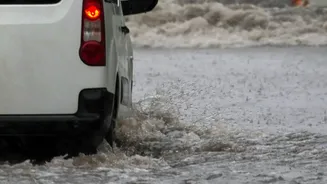
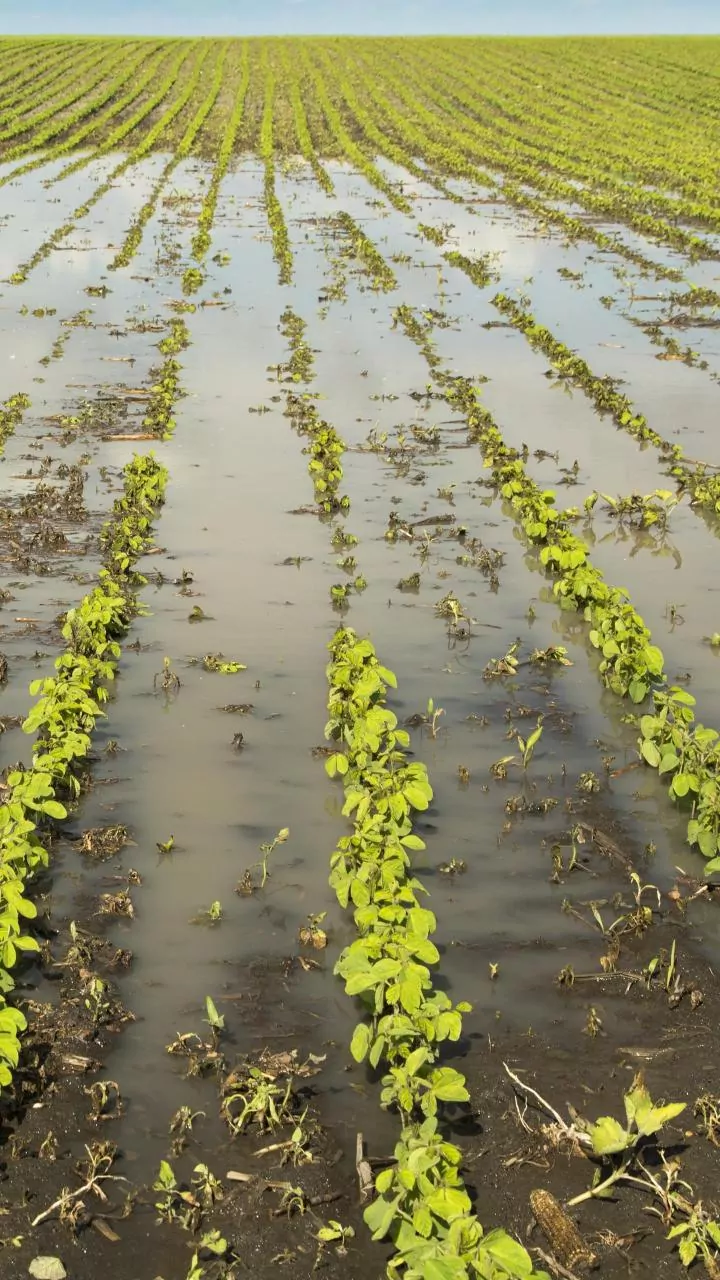
Climate change is altering monsoon patterns, leading to more erratic and intense bursts of rainfall. Instead of steady, prolonged showers that the ground can absorb, the Himalayas are increasingly experiencing cloudbursts and extreme rain events that overwhelm the natural drainage systems. This intense precipitation saturates the soil on steep slopes, dramatically increasing the risk of flash floods and landslides. Events that were once rare are becoming more frequent, turning heavy rainfall from a seasonal norm into a recurring catastrophe for communities in states like Uttarakhand and Himachal Pradesh.
3. Unstable Slopes and Landslides
The Himalayas are geologically young and active, making their slopes naturally prone to instability. This inherent fragility is now being dangerously amplified. The combination of intense rainfall and seismic activity, coupled with human interventions like deforestation and unscientific road cutting, is leading to a sharp increase in slope failures and landslides. Entire hillsides, their stability compromised, can give way with little warning, burying villages and blocking critical infrastructure. Events like the tragic Malpa landslide and frequent road blockages are stark reminders of this escalating danger.
4. Unsustainable Infrastructure Development
The push for development has led to a boom in the construction of roads, tunnels, dams, and large buildings across the Himalayas. However, much of this development is unplanned and fails to account for the region's fragile geology. Blasting and excavation for projects like hydropower plants and all-weather roads destabilise already vulnerable slopes. Building heavy structures on loose soil and debris further increases the load on the land. This approach, which often prioritises revenue over ecological safety, directly contributes to the heightened risk of disasters.
5. Sinking Land and Subsidence
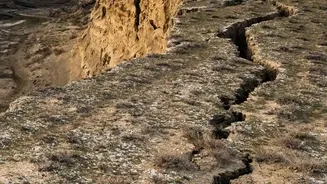
The crisis in Joshimath, where large cracks appeared in buildings as the ground began to sink, highlighted the grave threat of land subsidence. This phenomenon occurs when the ground gradually sinks, often because towns are built on ancient landslide debris rather than solid bedrock. Factors like the unregulated extraction of groundwater and the blockage of natural springs by construction disrupt subsurface stability. Vibrations from tunnelling and heavy construction, combined with water seeping into loose soil, can accelerate this sinking, posing a direct threat to entire towns.
6. Widespread Deforestation
Forests are the natural anchors of the Himalayan slopes. The root systems of trees bind the soil together, acting like a sponge that absorbs rainwater and releases it slowly, which helps prevent erosion and landslides. However, large-scale deforestation for agriculture, urban expansion, and infrastructure projects is stripping the mountains of this crucial protective cover. Without this natural defence, rainwater runs off sloped surfaces much faster, eroding soil and increasing the likelihood of devastating mudflows and floods.
7. Unregulated Tourism
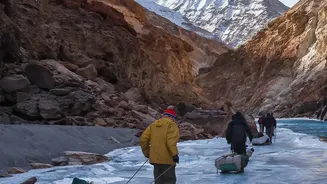
While tourism is a vital part of the Himalayan economy, its unregulated growth is placing an unsustainable burden on the fragile ecosystem. The surge in tourist numbers leads to a construction boom, often in hazardous areas, straining scarce resources like water. It also creates a massive waste management problem, with plastic and other non-biodegradable trash polluting the sensitive environment. The pressure of 'overtourism' contributes to soil erosion, pollution, and adds to the overall stress on a landscape that has a very limited carrying capacity.