





A Gateway in the Clouds
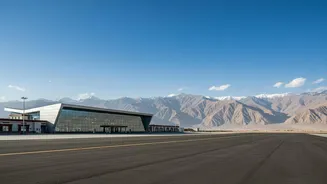
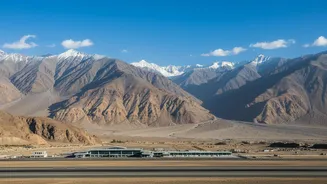
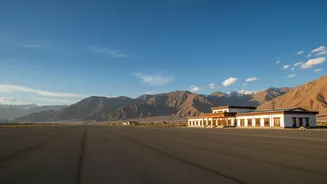
Kushok Bakula Rimpochee Airport (IXL), serving Leh in Ladakh, holds the distinction of being the highest commercial airport in India. Situated at an altitude of 3,256 metres, it is one of the highest airports globally and presents one of the most visually
stunning and technically demanding approaches for pilots. The airport, which doubles as a strategic Indian Air Force base, is named after the revered 19th Kushok Bakula Rinpoche, a spiritual leader and statesman whose monastery lies nearby. For several months of the year when high mountain passes are snowed under, this airport becomes the sole lifeline for the region, connecting it to the rest of the country.
The Pilot's Ultimate Test
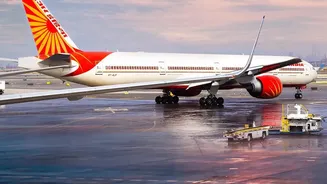
Landing in Leh is not a routine affair. The combination of high altitude, mountainous terrain, and unpredictable weather makes it one of the most challenging flights for any pilot. The air at this elevation is significantly less dense, which reduces engine thrust and aerodynamic lift, meaning aircraft need to approach and take off at higher speeds. All flights are scheduled for the morning to avoid the powerful mountain winds that develop in the afternoon. The approach is unidirectional, forcing pilots to navigate a specific path through the valley with no room for error. Consequently, pilots must undergo rigorous, specialised training to be certified for this route, including drills for single-engine failure scenarios in the challenging terrain.
A Lifeline for Tourism and Defence
The airport is more than just an engineering feat; it's the primary gateway for tourism in Ladakh. Travellers from across the globe fly into Leh to explore its famous monasteries, stunning landscapes like Pangong Lake, and the high-altitude desert of Nubra Valley. The airport's role has been crucial in making the region accessible, boosting the local economy significantly. Beyond tourism, its strategic location near India's borders makes it critically important for the Indian Armed Forces. The airport facilitates the year-round movement of personnel and supplies, serving as a vital logistical hub for military operations in this sensitive region.
The Passenger Experience: Breathtaking Views and a Word of Caution
For passengers, the flight into Leh offers unforgettable views of the Himalayan peaks. However, the experience on the ground requires adjustment. Upon arrival, travellers are stepping into an environment with significantly less oxygen. To prevent Acute Mountain Sickness (AMS), the local administration mandates a 48-hour acclimatisation period for all tourists arriving by air. During this time, visitors are advised to rest, hydrate generously, and avoid any strenuous activity to allow their bodies to adapt to the altitude before venturing to even higher passes. The airport itself is undergoing a major expansion, with a new, larger terminal set to enhance passenger facilities and handle the growing traffic, promising a more comfortable start to the Ladakhi adventure.