

The Heart of the Matter: Rice in Many Forms
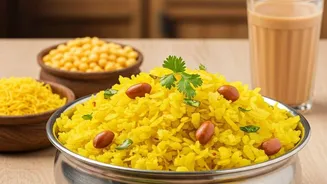
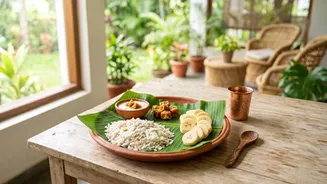
At the core of an Assamese breakfast is rice, but not just boiled grains. The variety is staggering. You have Chira (flattened rice), Muri (puffed rice), and Akhoi (popped rice). A star is Bora Saul, a local sticky or glutinous rice that’s essential for
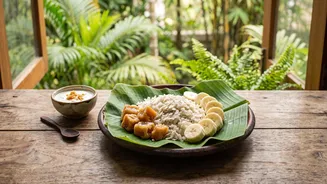
making Pitha (rice cakes). Then there's the remarkable Komal Saul, or 'magic rice', which requires no cooking at all. You simply soak it in warm water for about fifteen minutes, and it becomes soft and ready to eat, a testament to the ingenious food processing techniques of the region. These different forms of rice are typically combined with doi (curd), cream, and gur (jaggery) to create a meal that is a masterpiece of textures — crunchy, soft, and creamy all in one bowl.
Pitha: The Celebratory Rice Cake
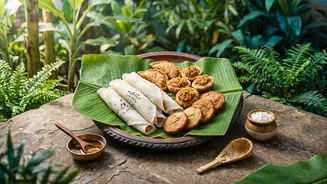
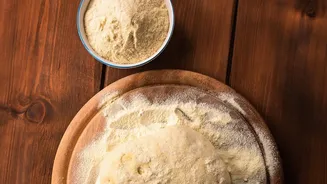
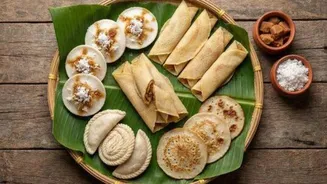
No Assamese festival, especially Bihu, is complete without Pitha. These are a diverse family of rice cakes that can be sweet or savoury, fried, steamed, or baked. The flour is often made from ground Bora Saul. Til Pitha is perhaps the most iconic—a thin, crispy roll filled with roasted black sesame seeds and jaggery. Sunga Pitha is another fascinating variety, where sticky rice mixed with jaggery and coconut is stuffed into a hollow young bamboo tube and steamed, imparting an earthy aroma. Other popular types include the fried Ghila Pitha and the steamed Tekeli Pitha, showcasing the versatility of rice in Assamese culinary traditions.
Pitika: The Comforting Mash
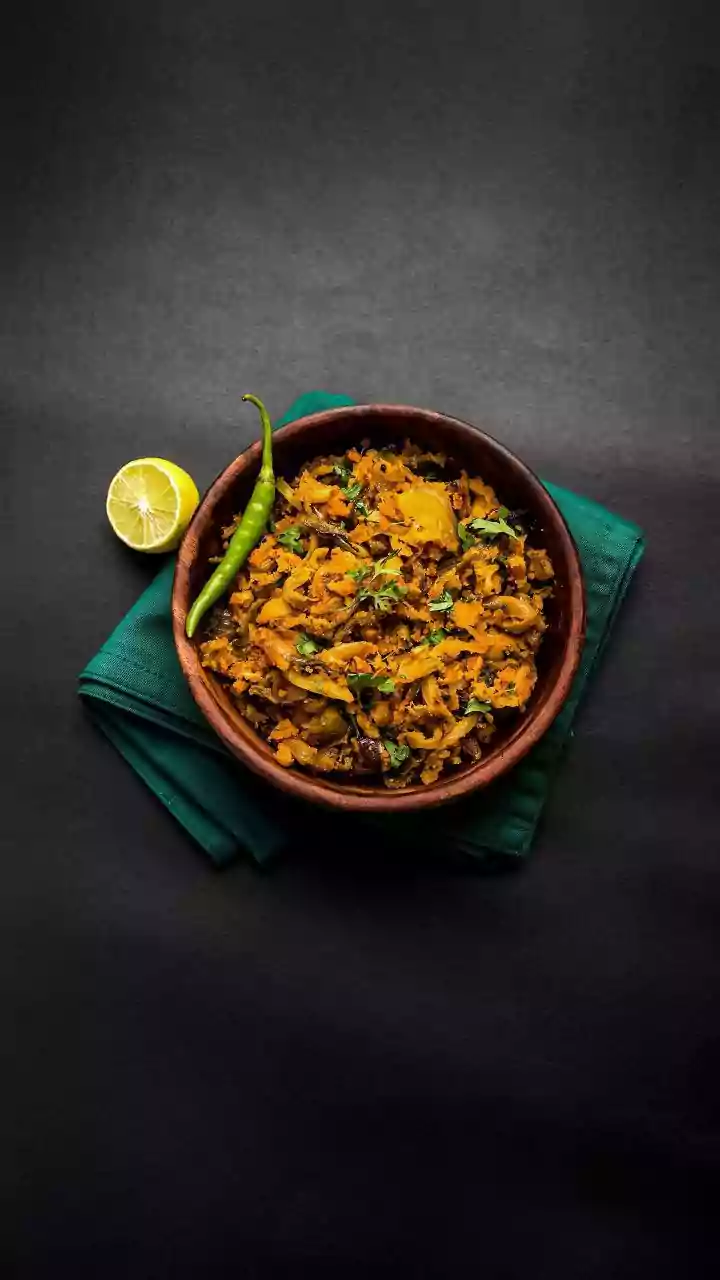
Pitika is the ultimate comfort food of Assam, a simple yet profoundly flavourful mash. The most common version is Aloo Pitika, made with boiled and mashed potatoes. What elevates it from a simple mash are the pungent, raw ingredients mixed in: finely chopped onions, green chillies, and, most importantly, raw mustard oil. This 'kachi ghani' mustard oil gives the dish its signature sharp and aromatic kick. It's a dish that highlights the Assamese preference for showcasing the natural flavour of ingredients with minimal fuss. While often served with lunch, it's a staple that represents home-style cooking at its best.
Xaak: The Goodness of Greens
Green leafy vegetables, known generically as 'xaak', are an integral part of Assamese cuisine, balancing the starches and proteins. The biodiversity of Assam provides a huge variety of greens, from foraged wild ferns like Dhekia Xaak to cultivated mustard greens (Lai Xaak). Customarily, during the Rongali Bihu festival, a dish featuring 101 different kinds of xaak is prepared to celebrate nature's abundance. These greens, ranging in taste from bitter to sour, are often simply cooked with minimal spices to retain their fresh flavour and nutritional value, reflecting a diet deeply connected to the local ecosystem.
Khar: The Unique Alkaline Signature
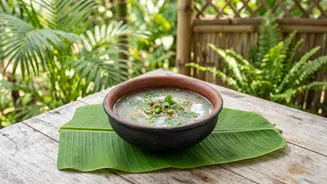
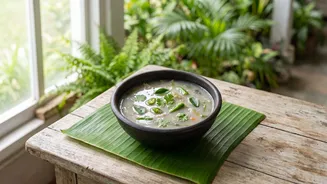
Khar is an ingredient and a dish category that is uniquely Assamese. It's an alkaline liquid traditionally made by filtering water through the ashes of sun-dried banana peels, particularly from a local variety called Bhim Kol. This ingredient gives dishes a distinct astringent and earthy flavour. A traditional Assamese meal often begins with a khar dish, such as one made with raw papaya (Omitar Khar), which is believed to cleanse the palate and aid digestion. So integral is this ingredient to the culture that Assamese people are sometimes affectionately called 'Khar Khuwa Axomiya' (Khar-eating Assamese).