

The 'Natural Botox' Buzz
Scroll through any beauty feed, and you will likely encounter the latest botanical star: African Hibiscus. It is being touted by some brands as a revolutionary anti-aging ingredient, with marketing materials calling it the 'Botox plant'. The promise is alluring:
firmer skin, reduced wrinkles, and improved elasticity, all from a vibrant flower. This narrative positions hibiscus as a natural, needle-free alternative to cosmetic procedures, capable of turning back the clock on your skin. It is an appealing story, but it's one that deserves a closer look, especially when the claims sound too miraculous to be true.
Understanding African Hibiscus
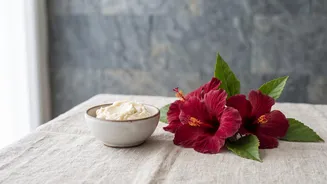
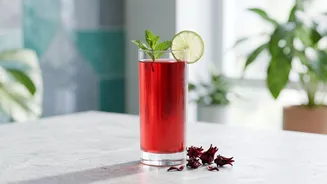
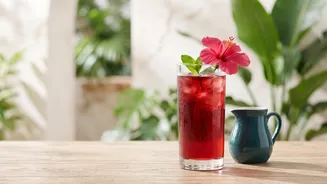
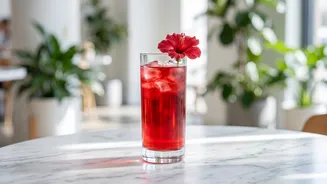
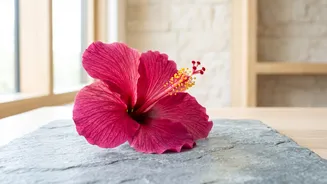
So, what is this supposed wonder plant? The species most often used in skincare is Hibiscus sabdariffa, also known as roselle. Native to Africa and other tropical regions, it has a long history in traditional medicine and as a beverage. Its power lies in its chemical composition. Hibiscus is rich in antioxidants, particularly anthocyanins, which give the flower its deep red color and help fight off environmental aggressors like UV rays and pollution. It also contains natural organic acids, such as citric and malic acid, which are types of Alpha-Hydroxy Acids (AHAs) known for their exfoliating properties. These components are genuinely beneficial for the skin, which forms the basis of the plant's cosmetic potential.
Where the Science Stands
This is where the 'natural Botox' claim begins to crumble. Botulinum toxin works by temporarily paralyzing muscles to smooth wrinkles. Hibiscus does not do this. The comparison stems from preliminary lab studies suggesting that certain compounds in hibiscus may inhibit the activity of elastase, an enzyme that breaks down our skin’s natural elastin. Elastin is the protein that helps skin retain its firmness and 'snap back'. In theory, by slowing its breakdown, you could maintain a more youthful appearance. However, an effect observed in a petri dish does not guarantee the same result on human skin. Dermatologists and cosmetic chemists note the lack of large-scale clinical trials on humans to support these dramatic anti-aging claims for topical application. The ability of these compounds to penetrate the skin deeply enough to make a significant difference is also questionable.
From Miracle to Modest Benefits
Dismissing hibiscus entirely, however, would be a mistake. While it may not be a facelift in a jar, it offers real, albeit more modest, benefits. Its high antioxidant content provides a valuable defense against free radical damage, which is a key driver of premature aging. The natural AHAs offer gentle exfoliation, helping to slough away dead skin cells, which can lead to a brighter and smoother complexion over time. Think of it less as a miracle worker and more as a helpful supporting ingredient. It can contribute to overall skin health, hydration, and radiance as part of a well-formulated product. Some research also points to its anti-inflammatory properties, which can help soothe irritated skin.
How to Be a Smart Shopper
The conversation around African Hibiscus highlights a broader trend in the beauty industry: the promotion of 'hero' ingredients with exaggerated claims. As a consumer, it is crucial to remain skeptical of marketing that promises miracles. Instead of focusing on a single botanical, look at the entire product formulation. An effective product depends on the concentration of its active ingredients, its delivery system, and how the ingredients work together. If hibiscus extract is listed at the very end of the ingredients list, its impact will likely be minimal. Look for products from reputable brands that prioritize scientific evidence over sensationalism and remember that consistency with a solid, basic routine will always deliver better results than chasing the next trendy ingredient.