


What is Floating Yoga?
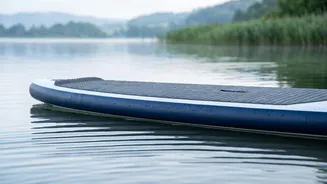
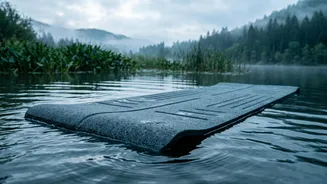
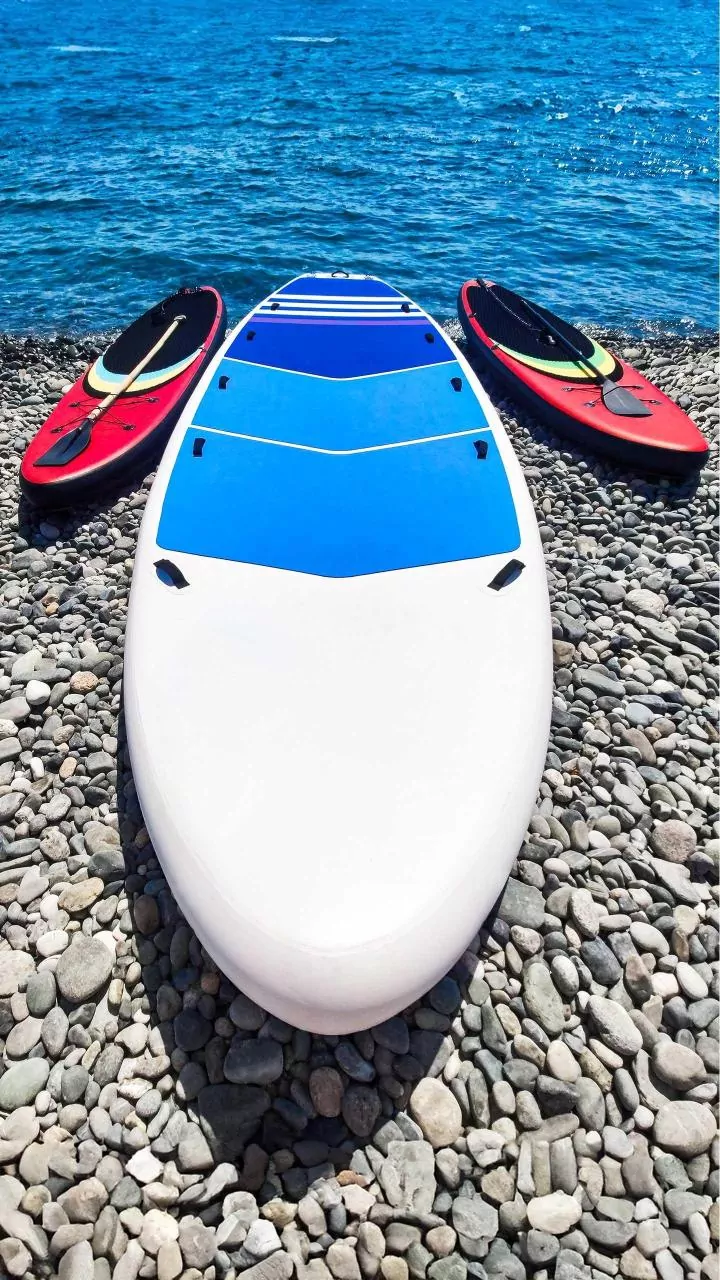
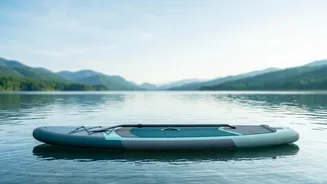
Floating yoga, often called Stand-Up Paddleboard (SUP) yoga, is exactly what it sounds like: practicing yoga on a paddleboard in a calm body of water like a lake, pool, or gentle bay. Instead of a predictable floor, your mat is a floating board that responds
to every shift in your weight and every ripple in the water. This creates an environment of instability that turns even the most familiar poses into a fresh challenge, demanding a new level of focus and physical control.
Why the Water Amplifies Core Work
The magic of floating yoga lies in its unstable surface. On solid ground, your body can rely on the floor for support. On a paddleboard, your body has to create its own stability from within, and that work falls squarely on your core. To keep from tipping over, your body constantly makes tiny, subconscious adjustments. These micro-movements fire up the deep stabilizing muscles in your abdomen, obliques, and lower back. It’s not just about crunches; it’s about creating a solid, centered foundation to hold each pose, forcing your core to remain engaged throughout the entire session.
Developing Your Sixth Sense: Proprioception
Practicing on an unstable surface does more than just build muscle; it refines your proprioception. Proprioception is often called the body's 'sixth sense'—it's your ability to know where your body parts are in space without having to look at them. Balancing on a paddleboard forces your brain and muscles to communicate more effectively to maintain equilibrium. This heightened awareness helps improve your coordination and balance not just on the board, but in all other physical activities, from running to traditional yoga.
Essential Poses for a Floating Core Workout
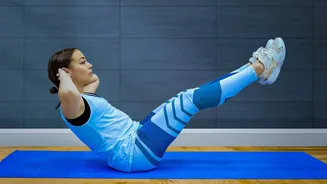
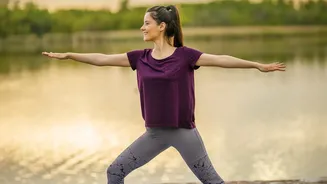
While nearly every pose is more challenging on water, some are particularly effective for targeting the core. The Downward-Facing Dog, a staple on the mat, becomes a full-body stabilizer on a board as you press through your hands and feet to find balance. Standing poses like Warrior II require immense core control to keep the board steady while your feet are wide. Even a simple Cat-Cow flow transforms into a dynamic core exercise, as you must move with precision to avoid rocking the board. For a direct challenge, Boat Pose is excellent for firing up the abdominal muscles and lower back.
More Than Just a Strong Core
While the core benefits are undeniable, floating yoga offers so much more. The intense focus required to stay balanced makes it a powerful mindfulness practice, helping to reduce stress and improve mental clarity. Being outdoors, surrounded by the calming sounds and sights of nature, has a deeply relaxing effect that a studio can't replicate. It’s also a full-body workout that builds strength in your legs, arms, and back. Plus, there’s an element of playfulness; falling in the water isn't a failure but a refreshing reminder not to take yourself too seriously.