





The Power of Textural Contrast
In interior design, contrast is a key principle for creating a space that is visually interesting and balanced. When a room is dominated by smooth, hard, and reflective surfaces like glass, chrome, and polished steel, it can feel one-dimensional. This
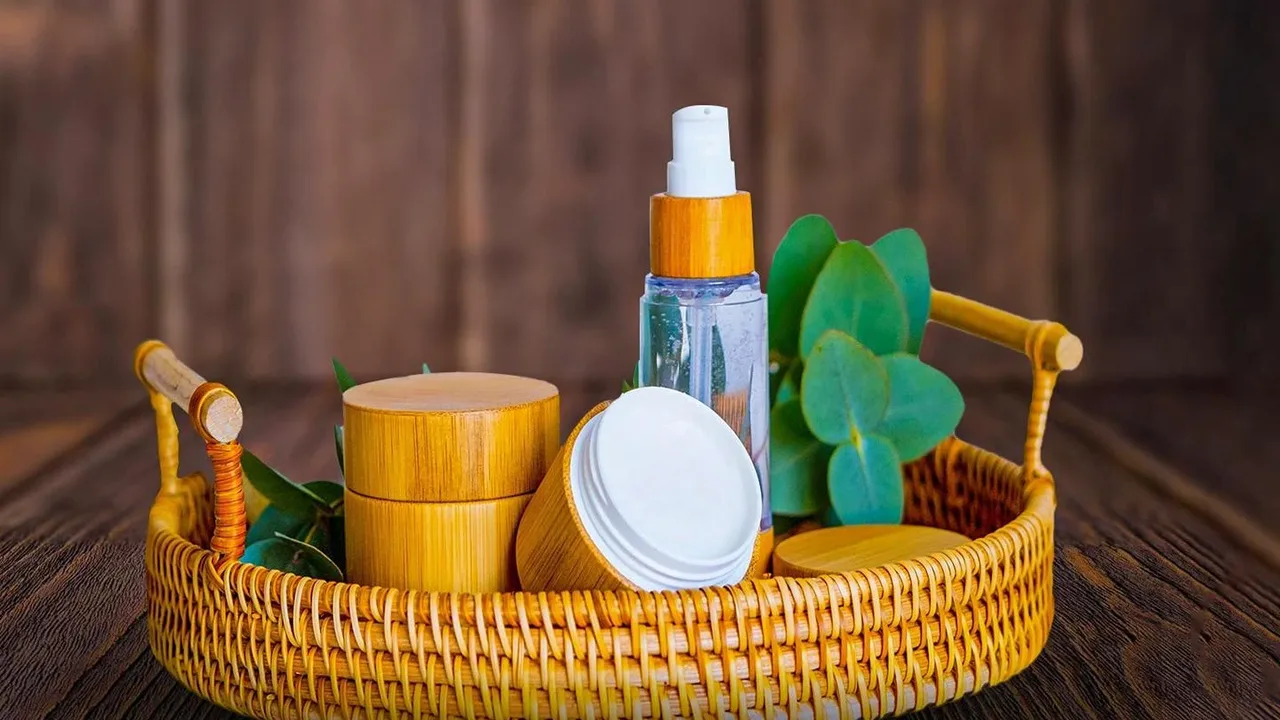
is where the humble basket comes in. The coarse, matte, and intricate weave of a natural fiber basket—be it rattan, seagrass, or jute—provides the perfect counterpoint. This juxtaposition of rough against smooth creates a dynamic tension that pleases the eye. It breaks up the monotony of sleek surfaces, adding depth and a tactile quality that invites you to touch and feel the environment, making the entire room more engaging.
A Welcome Touch of Nature
Beyond pure aesthetics, incorporating natural materials into our homes has a profound psychological effect. Humans have an innate desire to connect with nature, and bringing elements of the outdoors inside can make a space feel more calming and grounded. Woven baskets are an easy way to introduce these organic, handcrafted items into an otherwise sterile environment. Unlike mass-produced plastic or metal containers, each woven basket often carries the subtle imperfections and unique character of its natural materials and artisan craftsmanship. This adds a layer of authenticity and story to your decor, transforming a house into a home that feels warm and lived-in.
Practical Ways to Weave Them In
The versatility of woven baskets is their greatest strength; they are as practical as they are beautiful. In a living room with a glass coffee table and metal-framed sofa, a large floor basket can hold cozy throw blankets and pillows, instantly softening the space. In a sleek, modern kitchen, a shallow woven bowl on a stainless steel island can hold fruit or vegetables, adding a touch of rustic charm. Even bathrooms, often filled with tile and chrome, can benefit. A basket can be used to store rolled-up towels, toiletries, or extra toilet paper, providing a spa-like, organized feel.
Styling for Every Room
The key to successfully integrating baskets is to think about both function and form. In an entryway, a sturdy basket can serve as a catch-all for shoes, umbrellas, or bags, keeping a high-traffic area tidy. In the bedroom, smaller baskets on shelves or a nightstand can organize books, electronics, or accessories. You can even use baskets as decorative pieces on their own. A collection of flat, platter-style baskets can be hung on a wall to create a stunning, three-dimensional art installation that adds texture and global flair. Round baskets are great for soft items, while rectangular ones fit perfectly on shelves and in closets for structured organization.
Choosing the Right Basket
When selecting a basket, consider the scale of your room and its existing color palette. A large basket can anchor an empty corner, while a grouping of smaller ones might be better for a bookshelf vignette. The type of weave and material also matters. Tightly woven baskets in materials like rattan offer more structure, which is ideal for holding heavier items. Looser weaves, such as those found in jute or seagrass baskets, offer a more relaxed, bohemian vibe. Don't be afraid to mix and match different materials and sizes to create a layered, collected look that feels personal and unique to your home.